



Hemorrhoids are a widespread medical condition that affects millions of people worldwide. If you’ve ever found yourself searching for a “hemorrhoid doctor near me,” you’re not alone. This common ailment can cause discomfort and concern for many individuals, prompting them to seek professional medical advice.
We’ll explore the prevalence of hemorrhoids, their causes, symptoms, and treatment options, as well as when it’s time to consult a specialist.
Understanding Hemorrhoids
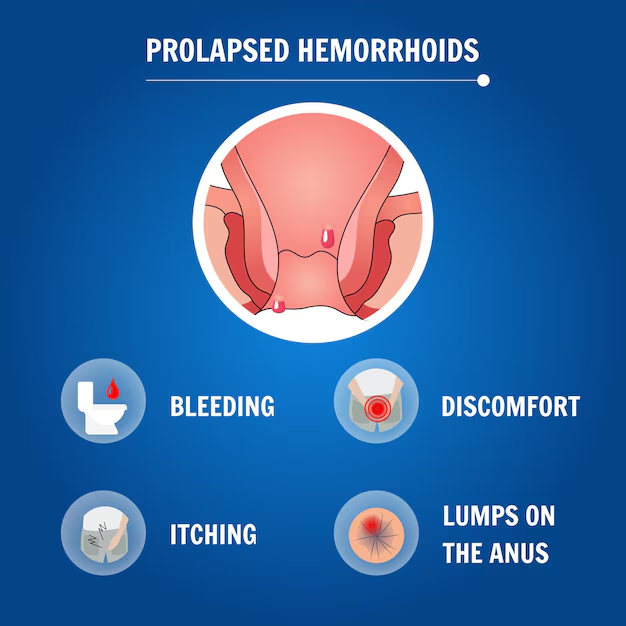
Hemorrhoids, also known as piles, are swollen veins in the lower rectum and anus. They can occur internally, inside the rectum, or externally, under the skin around the anus. While they are often associated with discomfort and embarrassment, hemorrhoids are a normal part of human anatomy. Everyone has these blood vessels in their anal area, but they only become a problem when they swell or become inflamed.
Types of Hemorrhoids
There are two main types of hemorrhoids: internal and external. Internal hemorrhoids develop inside the rectum and are usually painless, but they may bleed during bowel movements. External hemorrhoids form under the skin around the anus and can be more painful, especially if a blood clot forms inside them (thrombosed hemorrhoids).
Prevalence of Hemorrhoids
Hemorrhoids are incredibly common, affecting people of all ages and backgrounds. While exact numbers can be difficult to determine due to underreporting and self-treatment, it’s estimated that 75% of adults will experience hemorrhoids at some point in their lives. This high prevalence makes hemorrhoids one of the most common gastrointestinal disorders.
Age and Hemorrhoids
While hemorrhoids can occur at any age, they become more common as people get older. The risk of developing hemorrhoids increases significantly after the age of 30. This is partly due to the weakening of supportive tissues in the anal area over time, as well as lifestyle factors that tend to accumulate with age.
Gender Differences
Hemorrhoids affect both men and women, but there are some gender-specific factors that can influence their occurrence. Pregnancy and childbirth, for example, can increase the likelihood of hemorrhoids in women due to increased pressure in the pelvic area and hormonal changes that can affect blood vessel dilation.
Causes and Risk Factors
Understanding the causes and risk factors of hemorrhoids can help in prevention and early intervention. Several factors contribute to the development of this condition:
Straining During Bowel Movements
One of the most common causes of hemorrhoids is straining during bowel movements. This can be due to constipation, which puts excessive pressure on the veins in the anal area. Chronic constipation or prolonged sitting on the toilet can significantly increase the risk of developing hemorrhoids.
Lack of Fiber in Diet
A diet low in fiber can lead to hard stools and constipation, which in turn increases the risk of hemorrhoids. Adequate fiber intake helps keep stools soft and easy to pass, reducing strain during bowel movements.
Sedentary Lifestyle
Lack of physical activity and prolonged sitting can contribute to the development of hemorrhoids. Regular exercise helps promote healthy bowel function and improves circulation, which can prevent hemorrhoid formation.
Obesity
Excess body weight puts additional pressure on the veins in the anal and rectal areas, increasing the risk of hemorrhoids. Maintaining a healthy weight can help reduce this risk.
Pregnancy and Childbirth
As mentioned earlier, pregnancy is a significant risk factor for hemorrhoids. The growing uterus puts pressure on the pelvic veins, and hormonal changes can cause blood vessels to dilate. Additionally, the strain of childbirth can lead to hemorrhoid development or exacerbation.
Symptoms of Hemorrhoids
Recognizing the symptoms of hemorrhoids is crucial for early detection and treatment. Common symptoms include:
Rectal Bleeding
One of the most common signs of hemorrhoids is bright red blood on toilet paper or in the toilet bowl after a bowel movement. While this can be alarming, it’s usually not a cause for serious concern if it’s due to hemorrhoids. However, any rectal bleeding should be evaluated by a healthcare professional to rule out more serious conditions.
Pain and Discomfort
External hemorrhoids can cause significant pain and discomfort, especially when sitting or during bowel movements. The pain may be sharp and severe, particularly if a blood clot has formed in the hemorrhoid.
Itching and Irritation
Both internal and external hemorrhoids can cause itching and irritation in the anal area. This can be particularly bothersome and may lead to excessive scratching, which can further irritate the area.
Swelling Around the Anus
External hemorrhoids often cause visible swelling around the anus. This swelling may be tender to the touch and can make sitting uncomfortable.
Sensation of Fullness
Internal hemorrhoids may create a feeling of fullness or pressure in the rectum, even after a bowel movement. This sensation can be uncomfortable and may persist throughout the day.
When to See a Hemorrhoid Doctor
While many cases of hemorrhoids can be managed with home remedies and over-the-counter treatments, there are times when it’s necessary to seek professional medical help. Here are some situations that warrant a visit to a hemorrhoid specialist:
Persistent Symptoms
If hemorrhoid symptoms persist for more than a week despite home treatments, it’s time to consult a doctor. Chronic hemorrhoids may require more advanced treatment options that only a specialist can provide.
Severe Pain
Intense pain, especially if it’s sudden or accompanied by fever, could indicate a thrombosed hemorrhoid or another serious condition. This requires immediate medical attention.
Recurrent Bleeding
While some bleeding is common with hemorrhoids, frequent or heavy bleeding should be evaluated by a doctor. This is particularly important to rule out other potential causes of rectal bleeding, such as colorectal cancer.
Large or Prolapsed Hemorrhoids
If you have large hemorrhoids that protrude from the anus (prolapsed hemorrhoids) and cannot be pushed back inside, you should see a specialist. These may require medical or surgical intervention.
Impact on Quality of Life
If hemorrhoids are significantly impacting your daily activities or quality of life, it’s important to seek professional help. A hemorrhoid specialist can offer treatments that provide long-term relief.
Final Thoughts
Hemorrhoids are an incredibly common condition that affects a large portion of the adult population. While they can be uncomfortable and sometimes embarrassing, it’s important to remember that they are treatable and often preventable. By understanding the causes, recognizing the symptoms, and knowing when to seek professional help, you can effectively manage this condition and improve your quality of life.
