



You probably already know that aluminum doesn’t rust. Technically, only iron and iron-containing alloys can rust.
However, like many metals, aluminum corrodes.
Aluminum corrosion doesn’t happen instantly. It can take months or years to kick in, depending on the types of treatments that the metal is reinforced with.
Although aluminum ranks among the most robust and weather-resistant metals, corrosion can severely impact those qualities.
The good news is that you can implement a raft of strategies to prevent aluminum components from corroding or, at least, delay the process. This post shall delve into those methods.
But first, let’s start by highlighting the difference between rust and corrosion.
Rusting versus Corrosion
Preventing aluminum from corroding is a proactive way to maximize its durability and efficiency. And the first step to go about that is by ordering premium aluminum components from a reputable supplier.
By investing in high-quality aluminum, you’re assured the metal will withstand the test of time and the fury of the elements.
But before we delve deeper into how aluminum components are typically treated for maximum durability, it’s important to understand what corrosion entails.
While commonly used interchangeably, rusting and corrosion have quite distinctive meanings.
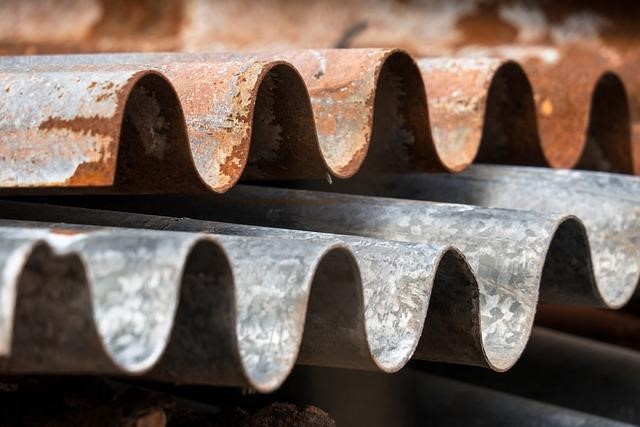
Rust occurs when iron oxidizes in the presence of air and moisture, resulting in brownish or copper-colored flakes. Meanwhile, corrosion refers to the gradual deterioration of substances as a result of oxidation.
The fundamental difference between rust and corrosion is that only iron and iron-based alloys rust. However, corrosion can occur in most other metals as well as non-metallic surfaces like ceramics and polymers.
It’s also worth pointing out that just like aluminum can be treated against corrosion, iron components may be enhanced to make them rust-resistant. A classic example is stainless steel.
What Makes Aluminum So Strong?
Aluminum occurs higher in the reactivity series. In other words, its chemical composition is only impacted by fewer elements higher in the series. That’s in contrast to lower-placed metals like copper and iron.
Besides, aluminum has a remarkably high affinity for oxygen.
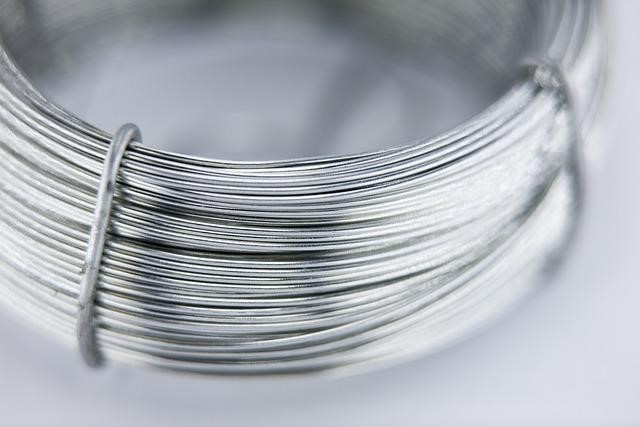
When exposed to oxidizing agents like air, aluminum components readily develop thin, hard films. These films constitute aluminum oxides (if only oxygen is present) or hydrated aluminum oxides (if both oxygen and moisture are present).
While the development of oxides accelerates the corrosion of some metals, that very process makes aluminum resistant to corrosion for some time. However, several conditions can weaken the corrosion-resistant layer and expose aluminum to degradation, necessitating additional protective remedies.
Tips To Protect Aluminum Components from Corrosion
1. Insist On Non-Iron-Based Aluminum Alloys
Although pure aluminum doesn’t rust, aluminum-iron alloys might. Therefore, shunning iron-aluminum alloys is an ingenious way to protect your aluminum components from rusting.
Note that rust and corrosion are chemically related despite the specific metals or substances involved. So, preventing rust consequently slows down corrosion.
Ferroaluminum (FeAl) is one of the most common aluminum alloys, consisting of 40% iron and 60% aluminum. While beloved for its enhanced hardness and thermal conductivity, FeAl corrodes pretty much like other iron alloys.
2. Opt For Higher Aluminum Grades
Aluminum comes in several grades, which are typically classified based on the metal’s purity levels. Each grade has its distinctive qualities and is designed for specific applications.
1100 aluminum contains 99% aluminum, making it one of the purest aluminum grades. It’s also remarkably corrosion-resistant.
1100 aluminum is incredibly soft and ductile too, which explains its widespread application in food processing and packaging industries.
Other common grades include;
- 3003 Aluminum – Reinforced with copper and manganese, making it 20% stronger and more corrosion-resistant than 1100 aluminum.
- 5052 Aluminum – This is the strongest of all non-heat treatable aluminum grades, and is widely used in marine environments where saline conditions can accelerate corrosion.
- 6063 Aluminum – Renowned for its high tensile strength and aesthetic appeal, making it ideal for protective finishing.
3. Ensure It’s Anodized
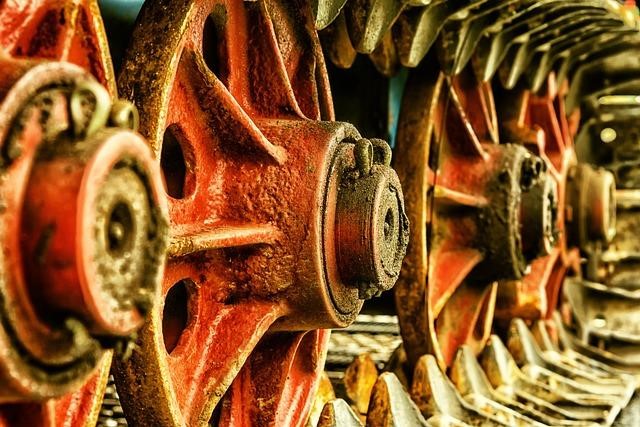
Aluminum anodizing refers to an electrolytic process used to enhance aluminum’s corrosion resistance by bolstering the thickness of its natural oxide layer.
If professionally done, anodized aluminum can be up to three times harder and more weather-resistant than standard aluminum.
There are two different anodizing methods including;
- High-precision Anodizing – Recommended for high-end aluminum components that require minimal defects.
- High-efficiency Anodizing – Ideal for affordable aluminum parts with more emphasis on performance than aesthetics.
4. Choose Powder Coated Parts
Like anodizing, powder coating is also an electrolytic process.
The difference between anodizing and powder coating is that anodizing simply involves boosting the thickness of aluminum’s natural oxide layer, whereas powder coating entails coating aluminum with a resin and pigment mixture.
Powder coating provides better corrosion protection than anodizing. The resin-pigment mixture is also resistant to color fading and provides a blend of color and texture, making it excellent for aesthetic finishing.
5. Store in A Climate-Controlled Environment
Storage also plays a critical role in enhancing aluminum’s corrosion resistance.
Regardless of how treated the aluminum surface is, it can corrode much faster if exposed to certain environmental conditions.
The thumb rule is to store your aluminum components in a cool, dry, and moisture-free environment. It’s even better if you continually monitor the storage climate to proactively avert corrosion-causing factors.
Summary
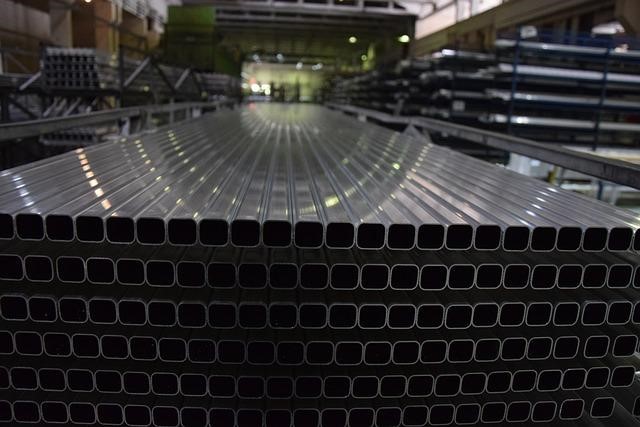
Aluminum may not rust in the same way iron and iron-containing alloys do. However, it can corrode over time and experience a significant degradation in its quality, longevity, and aesthetic appeal.
Preventing aluminum from corroding helps prolong its durability and functional efficiency.
For aluminum-intensive industries like aerospace and automotive, protecting aluminum components from corrosion can minimize structural replacement costs and enhance overall productivity and competitiveness.
