



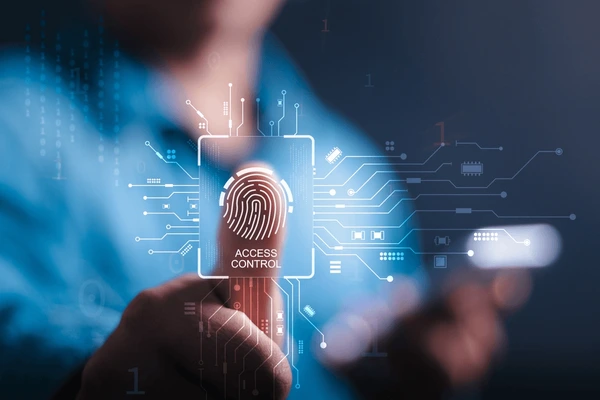
Introduction
In the digital age, cybersecurity remains one of the maximum vital challenges for individuals and agencies. As traditional passwords and PINs prove inadequate to combat state-of-the-art cyber threats, biometrics has emerged as a promising answer. By leveraging precise physical or behavioral traits, biometrics gives improved safety features. But the question remains: Are biometrics the hidden champion of cybersecurity or a potential threat in disguise?
What is Biometrics in Cybersecurity?
Biometrics refers back to the identity and authentication of people the use of their particular organic tendencies. Common examples encompass fingerprint popularity, facial scans, iris scans, and voice recognition. Unlike conventional passwords, biometric information is inherently tied to the individual, making it reputedly more stable towards robbery or misuse.
For a deeper dive into this debate, explore this insightful article on biometrics cybersecurity.
Advantages of Biometrics in Cybersecurity
- Enhanced Security
Biometric systems are inherently harder to hack or reproduce. Unlike passwords, which can be guessed or stolen, biometric information is specific to every character. This reduces the risk of unauthorized right of entry and strengthens identity verification approaches.
- User Convenience
Biometrics removes the want to take into account complicated passwords or convey physical authentication tokens. For instance, a simple fingerprint test can furnish entry to smartphones, banking apps, or secured facilities.
- Integration with Multi-Factor Authentication (MFA)
Biometrics can be seamlessly incorporated into MFA protocols, imparting an extra layer of security. Combining biometrics with traditional strategies considerably complements universal safety.
Concerns and Limitations of Biometrics
- Data Privacy Risks
One of the primary issues with biometrics is the potential misuse of touchy information. Unlike passwords, which may be modified if compromised, biometric facts is immutable. A breach of this records may want to have a long way-accomplishing consequences.
- Vulnerability to Spoofing
Despite its advantages, biometric systems are not foolproof. Techniques like growing fake fingerprints or using excessive-decision pics to bypass facial recognition systems pose substantial dangers.
- Cost and Infrastructure Requirements
Implementing biometric structures may be steeply-priced and calls for state-of-the-art infrastructure. This may be a barrier for small groups or corporations with restrained sources.
Ethical and Legal Implications
The adoption of biometrics increases moral and prison questions, in particular concerning consent and records ownership. How much manage do individuals have over their biometric statistics? What takes place if corporations misuse these records or fail to shield it adequately? Governments and establishments need to establish clean guidelines to deal with those worries.
The Future of Biometrics in Cybersecurity
As technology evolves, so does the ability of biometrics. Advances in synthetic intelligence and system studying are expected to make biometric structures greater accurate and stable. However, addressing cutting-edge boundaries is important to ensuring massive consider and adoption.
Hybrid strategies, combining biometrics with other rising technology consisting of blockchain, may want to in addition decorate cybersecurity frameworks. This would mitigate the risks associated with standalone biometric systems whilst leveraging their strengths.
Conclusion
Biometrics in cybersecurity affords a double-edged sword. On the one hand, it offers extraordinary security and convenience. On the other hand, it increases extensive issues approximately privateness, ethics, and reliability. Organizations ought to weigh the professionals and cons cautiously, imposing biometric solutions thoughtfully and responsibly.
To recognize whether biometrics will in the end be the hero or villain in cybersecurity, continuous innovation and robust regulatory frameworks are vital. What stays clean is that biometrics will play an imperative function in shaping the destiny of digital security.
