



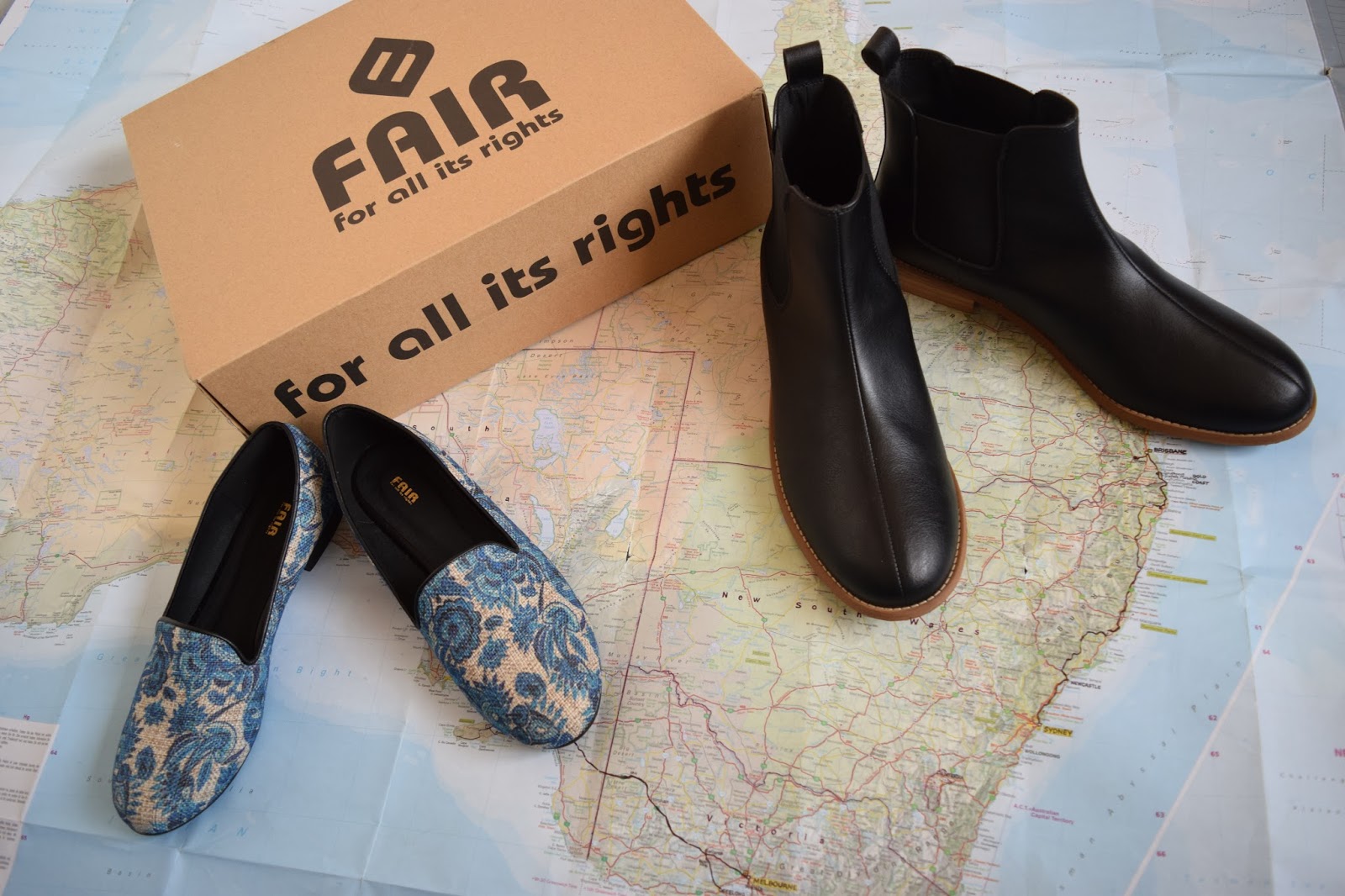
In today’s fast-paced world, consumers are increasingly prioritizing sustainability and ethical practices when making purchasing decisions. This shift has placed products like Fair Shoes in the spotlight. By focusing on environmentally friendly materials and ethical production processes, this category of footwear aligns with the values of conscious shoppers. Exploring the benefits and craftsmanship behind these shoes provides insights into why they stand as a beacon of responsible fashion.
The Role of Sustainability in Modern Footwear
Sustainability has become a defining factor in the choices consumers make across industries. When it comes to footwear, this principle carries a unique weight. The production of Fair Shoes highlights a commitment to reducing environmental impact. By utilizing eco-friendly materials such as recycled fabrics, natural rubber, and organic cotton, the industry demonstrates that quality and sustainability can coexist.
Brands focusing on sustainable practices often adopt innovative methods to minimize waste. This includes reimagining traditional manufacturing techniques, investing in renewable energy sources for production, and ensuring minimal use of water and harmful chemicals. These measures not only protect natural resources but also contribute to the durability and longevity of the footwear.
Moreover, sustainability in footwear isn’t limited to materials alone. Packaging plays a crucial role, with biodegradable and recyclable solutions becoming standard for Fair Shoes. This holistic approach resonates with a generation seeking meaningful ways to combat environmental challenges.
Ethical Production: Supporting Fair Labor Practices
Ethical production is a cornerstone of the Fair Shoes philosophy. This involves upholding fair labor standards, ensuring safe working conditions, and providing fair wages to workers. The production of such footwear often takes place in certified factories where workers’ rights are prioritized.
The emphasis on ethical practices is not only about compliance with regulations but also about fostering respect and dignity within the workforce. By creating transparency in supply chains, manufacturers offer consumers assurance that their purchase supports humane and just working environments.
Another significant aspect of ethical production is the empowerment of local communities. Many producers of Fair Shoes collaborate with artisan groups and small-scale manufacturers, ensuring that their expertise and traditions are valued. This approach fosters economic growth in underserved areas while preserving cultural heritage through craftsmanship.
Why Fair Shoes Are the Future of Fashion
As consumer awareness grows, the demand for ethical and sustainable products is poised to redefine the fashion industry. The appeal of Fair Shoes extends beyond their eco-friendly and ethical attributes; they embody a lifestyle choice that reflects the values of today’s conscious buyers.
These shoes often feature timeless designs, ensuring that they remain relevant and versatile for years to come. Durability, a hallmark of responsibly crafted footwear, reduces the need for frequent replacements, aligning with the principles of slow fashion. By investing in Fair Shoes, consumers contribute to a movement that prioritizes quality over quantity.
Another notable advantage is the role these shoes play in shaping public discourse around sustainability and ethics. Each pair serves as a conversation starter, encouraging others to consider the impact of their purchasing habits. In this way, they become symbols of a larger commitment to making responsible choices. For more insights into the world of fair and sustainable footwear, visit https://www.aymod.com/en/fair-shoes.
