



In 2025, the automotive world is gearing up for a year rich in innovations and technological advancements. With spectacular progress in electric vehicles, connected cars, and even flying vehicles, the automotive industry is set to redefine how we travel and interact with our vehicles. Here is a captivating overview of the trends and innovations that will mark this exceptionally promising year.
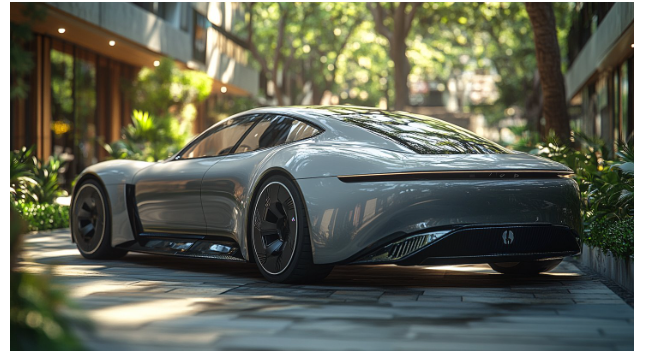
Seamless Connectivity: The Era of Smart Cars
The concept of a connected car is no longer just fiction. In 2025, embedded technologies will reach new heights thanks to efforts by companies like FORVIA. This automotive equipment giant will participate in CES 2025 in Las Vegas to unveil its latest innovations in connectivity. With its expertise, FORVIA will present Faurecia Aptoide Automotive, its new integrated applications platform.
With over 200 available applications, this platform aims to offer an unparalleled user experience. Drivers will easily access various features via their dashboards, whether it’s navigation, entertainment, or vehicle maintenance management. This seamless fusion of technology and comfort redefines what it means to drive a car in 2025.
Simplified Interaction with Technology
The advancement of user interfaces will make interaction with onboard systems even more intuitive. Manufacturers are integrating advanced voice assistants and responsive touchscreens to simplify the use of various functions. The integration of cloud services will also keep software constantly updated, ensuring optimal security and performance.
Safety First
Vehicles in 2025 will also feature enhanced safety systems. Thanks to high-precision sensors and cameras, they will offer increasingly sophisticated driver assistance. Collision alerts, lane-keeping assist, and autonomous parking will become standards, significantly reducing accident risks.
The Revolution of Aerial Mobility: Flying Cars
What once seemed like science fiction is beginning to take shape. The development of flying cars is about to radically transform our transportation. A prime example of this innovation comes from China with GAC and its AirJet. This flying car offers a range of 200 km with just a 30-minute charge.
This technology combines aviation and automotive, promising to reduce travel times and lighten road infrastructure. The first models are expected to hit the market as early as 2025, paving the way for a new mode of urban and interurban transport.
A Design that Melds Aesthetics and Performance
The AirJet stands out not only for its technical capabilities. Its futuristic design immediately catches the eye, blending aerodynamics and elegance. Lightweight yet robust materials ensure optimal performance while increasing environmental respect through reduced energy consumption.
Regulatory and Logistical Challenges
Despite these promises, flying cars will need to overcome several hurdles before becoming commonplace. Aviation regulations will need to evolve to integrate these new vehicles, and adapted infrastructures such as secure takeoff and landing zones will need to be created. However, experts are confident about gradually implementing these solutions in the coming years.
Highly Anticipated New Models from Car Manufacturers
The year 2024 saw a profusion of new car model launches. However, models slated for 2025 are already generating immense anticipation and excitement among car enthusiasts. The Journal des Flottes has identified twenty particularly promising vehicles set to debut that year.
Among the must-see models are those from Alpine, with the release of the A390. This model stands out for its sporty performance and elegant design. At the same time, Citroën is preparing to launch the electric version of the C5 Aircross, further bolstering European manufacturers’ commitment to all-electric vehicles.
A Renewed Commitment to Electric Mobility
Despite lukewarm sales in 2024, manufacturers remain determined to promote electric vehicles in 2025. The European Union is pushing strongly in this direction, imposing ambitious quotas to reduce CO2 emissions. Consequently, this year’s auto shows will highlight a myriad of new electric models optimized for energy efficiency and sustainability.
Innovation Serving the Environment
This commitment comes with significant innovations aimed at making batteries more efficient and charging times shorter. Several companies are also working on battery recycling solutions to minimize environmental impact. Thus, in 2025, buying an electric car won’t just be about modernity but also a concrete action for the planet.
- Increased battery range
- Extended charging infrastructure
- Continued government incentives
Embedded Technologies: The Future of Dashboards
An intriguing aspect of car evolution in 2025 lies in the embedded dashboard technologies. Aside from the previously discussed applications, these vehicles will be equipped with augmented reality (AR) and virtual reality (VR) devices. They offer drivers and passengers an immersive experience, going beyond simple GPS navigation.
Dashboards can project information directly onto the windshield, allowing the driver to see routes and warnings without taking their eyes off the road. These innovations aim not only to enhance safety but also to enrich the driving experience.
New Human-Machine Interactions
Moreover, communication between the driver and the car will become even more interactive. Facial recognition systems will customize vehicle settings according to the driver’s preferences, including seat position, ambient lighting, and music playlists. This marks a notable advance toward a truly “smart” car.
Deeper Integration of Artificial Intelligence
motor news will play a central role in this transformation. Machine learning algorithms will help cars anticipate driver needs and optimize trips according to real-time traffic conditions. Additionally, OTA (“over-the-air”) updates will ensure that systems remain cutting-edge, extending the lifespan and relevance of modern vehicles.
Autonomous Cars: Heading Towards Driverless Driving
Finally, the emergence of autonomous vehicles continues with increasingly frequent large-scale trials. Major cities like San Francisco, Tokyo, and Paris are currently testing fleets of driverless taxis. By 2025, some luxury brands plan to offer fully autonomous driving options for specific segments.
The goal is to make roads safer and optimize urban traffic. Future vehicles will communicate with each other to avoid traffic jams and minimize accidents. Ultimately, this could free up time for drivers, completely transforming how we perceive daily commutes.
Rigorous Testing to Ensure Reliability
To achieve this goal, pioneers of autonomous cars conduct rigorous tests to ensure the safety and reliability of their technology. Regulators demand high levels of precision and consistency before authorizing these vehicles on the road. This meticulous trial period is crucial for gaining public trust and ensuring a smooth transition to driverless mobility.
Societal Impacts
The implications of autonomous cars go beyond technology alone. Social and economic issues arising from them must also be considered. Reducing accidents could save thousands of lives each year, while broader access to transportation could benefit the elderly and those with physical limitations. However, it is also necessary to consider the professional retraining of workers currently involved in driving.
