



Winter storms can be beautiful, but they also bring serious challenges for homeowners. Accumulating snow, icy sidewalks, and treacherous driveways can create hazards that not only impact safety but can lead to significant damage if left untreated. Preparing for winter weather by being proactive with snow removal is one of the best ways to protect your property and avoid costly accidents.
In this article, we’ll guide you through the essential DIY snow removal tips and tools every homeowner should have to keep their property safe and accessible throughout the winter season. Whether you have a small driveway or a larger property, these tips will help you stay on top of snow removal and keep your home safe during a winter storm.
1. Why DIY Snow Removal Matters for Homeowners
Safety Concerns:
Snow and ice can quickly turn into slippery hazards. Every year, countless injuries occur due to falls on icy walkways or driveways. By proactively removing snow, homeowners can prevent accidents, protecting both family members and visitors. Moreover, cleared walkways can prevent ice from forming, keeping your property safe throughout the season.
Cost Savings:
Professional snow removal services can be expensive, especially if you live in an area prone to frequent snowstorms. With the right tools and knowledge, you can handle snow removal yourself, saving hundreds or even thousands of dollars in service fees each winter.
Convenience and Control:
DIY snow removal gives you the flexibility to clear snow at your own pace, without waiting for a contractor. It also allows you to keep pathways clear immediately after a snowfall, rather than dealing with compacted snow or ice later in the season.
2. Essential Snow Removal Tools Every Homeowner Needs
To efficiently clear snow from your driveway and walkways, you need the right tools. Here’s a rundown of the most essential snow removal tools every homeowner should have:
Snow Shovels: Manual vs. Ergonomic Designs
When selecting a snow shovel, comfort and ease of use should be your top priority. Traditional snow shovels are inexpensive and work well for light to moderate snowfalls. However, for those who experience heavy snow or have large areas to clear, ergonomic shovels with curved handles can help reduce strain on your back and joints. Look for lightweight models that feature adjustable handles for maximum comfort.
Snow Blowers: Gas vs. Electric
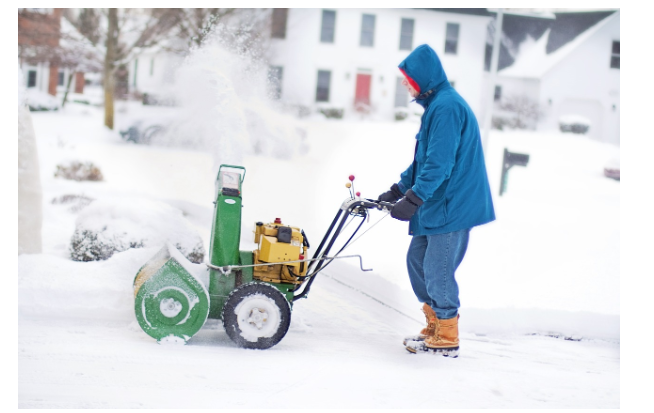
If you live in an area with heavy or frequent snowfalls, investing in a snow blower might be necessary. Snow blowers come in gas-powered or electric models.
- Gas-powered blowers are ideal for larger areas and heavier snow. They offer more power but tend to be louder and require more maintenance.
- Electric snow blowers, on the other hand, are quieter, more eco-friendly, and suitable for smaller properties or light snow.
Ice Scrapers and Ice Melt Products
For driveways and walkways that have been treated with ice, a sturdy ice scraper is essential. Ice scrapers help remove the frozen layer that shovels or snow blowers can’t handle. Alongside an ice scraper, investing in de-icing products—such as rock salt, calcium chloride, or eco-friendly deicers—is a must. These products can help prevent ice from forming and provide extra traction during slippery conditions.
3. Snow Removal Tips for Homeowners
Once you’ve got your tools ready, it’s time to put them to work. Here are some key snow removal tips that will make the job easier and safer.
Start Early: Pre-Storm Preparation
One of the best ways to manage snow removal is to prepare ahead of time. If a storm is coming, keep an eye on weather forecasts and ensure your tools are ready to go. It’s also a good idea to clear vehicles and any outdoor furniture or decorations before the snow arrives, so they don’t obstruct your ability to clear snow effectively.
Proper Shoveling Techniques
Shoveling snow can be physically demanding, and improper technique can lead to injury. To shovel safely:
- Lift with your legs, not your back. Bend at your knees and use your legs to lift snow instead of twisting your back.
- Shovel in small sections, removing manageable amounts of snow at a time.
- Take breaks regularly to prevent exhaustion, especially if you’re shoveling a large area.
Clearing Your Driveway and Walkways Efficiently
To clear snow effectively, start early, and try to clear snow while it’s still light and powdery. This will make the process much easier than when snow has had time to pack down and freeze.
- Break the job into sections and focus on one area at a time.
- If using a snow blower, ensure you’re working in an efficient pattern to avoid creating large piles of snow in inconvenient places.
4. Preventing Ice Buildup: Best Practices
Preventing ice buildup on driveways and walkways is as important as removing snow. Here’s how you can avoid slippery surfaces:
Salting Your Driveway and Walkways
Applying salt or other de-icers is one of the best ways to prevent ice from forming. Apply salt after the snow has been removed, but before temperatures dip below freezing. This will help melt any remaining ice and prevent further accumulation.
- Tip: Avoid overuse of salt as it can harm your plants, pets, and the environment. Opt for more eco-friendly de-icing solutions like calcium magnesium acetate if possible.
Using Sand or Gravel for Traction
If ice forms despite your best efforts, use sand or gravel to provide traction. These materials don’t melt the ice but offer grip for safer walking or driving. Sprinkle sand on icy areas and keep extra bags on hand for particularly slippery conditions.
5. Advanced Tools and Techniques for Larger Properties
For larger properties or homeowners dealing with heavy snowfalls, additional tools and techniques may be required:
Snow Plows for Larger Areas
If you have a long driveway or a large area to clear, a snow plow attachment for your vehicle can be a real time-saver. These plows can be attached to a car, truck, or ATV, allowing you to clear snow much faster.
- Tip: Look for plows with adjustable blades for easy snow clearing, and always make sure you’re familiar with how to use the attachment safely.
Heated Mats and Driveway Heating Systems
For homeowners looking for a more permanent solution, heated driveway mats or driveway heating systems can keep your surfaces free from snow and ice all season long. While costly to install, these systems are highly effective and can eliminate the need for manual snow removal altogether.
6. Safety Tips for DIY Snow Removal
Shoveling snow and using snow blowers can be physically demanding. Keep these safety tips in mind to avoid injury:
Take Regular Breaks to Avoid Overexertion
Snow removal is a workout! Be sure to take breaks every 15-20 minutes to avoid overexertion and reduce the risk of heart strain or muscle injuries. Drink plenty of water, even in cold weather, to stay hydrated.
Dress Appropriately for the Weather
Layering is key to staying warm without overheating. Wear moisture-wicking base layers, insulated outer layers, and a warm hat to protect your head and ears. Also, wear waterproof boots to keep your feet dry.
Know Your Limits: When to Call a Professional
If the snow is too deep or conditions are too dangerous (e.g., ice storms or extreme cold), don’t hesitate to call a professional snow removal service. Safety is the top priority, and there’s no shame in reaching out for help.
7. How to Maintain Your Snow Removal Tools
Proper maintenance will extend the life of your snow removal tools, ensuring they’re ready to go when you need them:
Routine Maintenance for Snow Shovels and Snow Blowers
- Snow Shovels: After each use, clean the blade and store the shovel in a dry area. If your shovel has a wooden handle, periodically sand it down to remove any splinters.
- Snow Blowers: Check the oil, replace the spark plug, and make sure the auger is free of debris. Store your blower in a dry place during the offseason to prevent rust.
Preparing Your Tools for Winter
Before the first snowstorm hits, do a quick check of your tools. Sharpen any dull blades, test your snow blower, and make sure you have enough salt or de-icer. Early preparation ensures you won’t face a last-minute scramble when the snow starts to fall.
Conclusion
Proper winter storm preparedness is key to keeping your home safe and accessible during the cold months. By investing in the right tools and following these DIY snow removal tips, you’ll not only protect your property but also save time and money.
Whether you’re shoveling your driveway or using a snow blower, always remember that safety comes first. With the right tools, techniques, and maintenance, you’ll be ready to tackle whatever winter has in store.
