



As parents, one of the most important lessons we can teach our children is how to care for the environment. By introducing sustainability practices at an early age, we can help our kids develop a deep respect for nature and a strong sense of responsibility toward preserving it. Teaching children about eco-friendly habits, such as recycling, conserving resources, and eating sustainably, can create a lasting impact on the way they interact with the world around them. In this blog, we’ll explore how parents can nurture environmentally conscious kids, offering practical tips to make sustainability a natural part of your child’s daily life.
Long Island pediatricians often emphasize the importance of creating a healthy environment for children. It’s no secret that a cleaner, greener environment can benefit your child’s physical and mental health. This blog will provide insights into how you can start teaching sustainability early, from leading by example at home to encouraging outdoor activities that foster a love for nature.
Modeling Sustainable Practices at Home
The most effective way to teach children about sustainability is by modeling eco-friendly practices yourself. Kids learn best by imitating the behavior they see, so when they observe their parents taking steps to protect the environment, they are more likely to adopt those same habits. Simple actions, such as recycling paper and plastic, reducing energy consumption, and using reusable bags and containers, can demonstrate sustainable living in a way that is easy for children to grasp.
At home, you can set up designated recycling stations, label bins clearly, and encourage your children to sort items as they clean up. This teaches them that even small actions, like separating recyclables, make a big difference in reducing waste. In addition to reducing waste, conserving energy by turning off lights when not in use or opting for energy-efficient appliances reinforces the importance of minimizing environmental impact.
For parents looking to further ensure that their children grow up in a healthy environment, consulting a children’s doctor can provide useful insights. A children’s doctor can offer advice on how a cleaner, more sustainable home environment can improve your child’s health. For instance, eliminating harsh chemicals and opting for eco-friendly cleaning supplies can help reduce respiratory issues and allergies.
Educate Through Interactive Eco-Friendly Activities
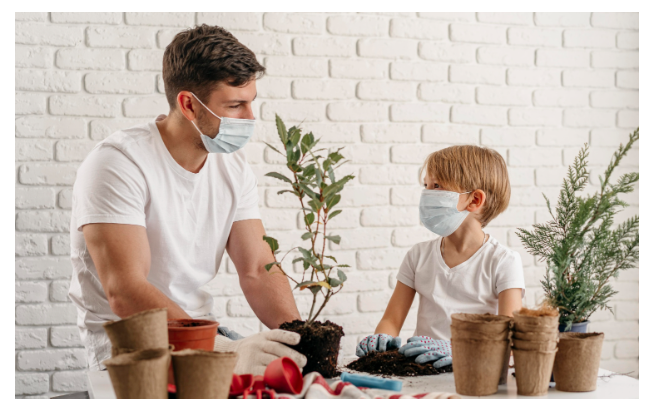
Learning about sustainability doesn’t have to be a lecture—it can be fun and engaging for kids. Children are naturally curious, and by incorporating interactive activities, you can turn eco-consciousness into an adventure. Gardening is one of the best ways to teach kids about nature, as it provides hands-on experience with growing plants, vegetables, and flowers. Even young children can enjoy planting seeds, watering plants, and watching them grow. This helps them understand the importance of caring for living things and conserving resources like water.
Additionally, composting is an excellent way to introduce children to the idea of reducing waste. Composting kitchen scraps and yard waste not only benefits the environment but also teaches kids about the natural cycle of decomposition. By watching how organic waste turns into nutrient-rich soil, children can learn about the importance of reusing and recycling natural materials.
If you are unsure of the best activities to start with, you can reach out to apediatrician near mefor suggestions. They can offer advice on age-appropriate eco-friendly activities that also promote physical and emotional development. Whether it’s teaching your child to clean up after themselves or making nature walks a regular family activity, these interactive experiences can shape your child’s relationship with the environment.
Instill Recycling Habits by Turning Waste into Resources
One of the most important aspects of sustainability is recycling, and it’s never too early to teach children the value of this practice. Kids can begin to understand the importance of recycling at a young age by being involved in sorting and disposing of recyclables correctly. This simple task can be made into a fun game by having kids race to separate items into the right bins or by giving them stickers or rewards when they remember to recycle.
To make recycling even more meaningful, you can encourage your child to reuse items in creative ways. For example, you can repurpose old newspapers or cardboard boxes for craft projects, or reuse glass jars for storage. These actions teach children that recycling is not just about throwing things in the right bin—it’s about giving materials a second life and reducing waste.
Recycling can also be linked to environmental benefits, such as reducing pollution and conserving natural resources. By explaining how recycling helps prevent harmful chemicals from entering the soil and water, children will better understand why their small efforts matter. Consulting Long Island pediatricians about the environmental factors that impact your child’s health may also provide deeper insights. Pediatricians often recommend ways to reduce exposure to harmful chemicals, and recycling plays a big role in minimizing pollution.
Encourage Sustainable Eating Habits
Teaching children about sustainable eating is another effective way to raise eco-conscious kids. Sustainable eating involves choosing foods that are not only healthy but also produced in ways that minimize harm to the environment. For instance, eating more plant-based foods, such as fruits, vegetables, and grains, can reduce your family’s carbon footprint. Animal agriculture contributes significantly to greenhouse gas emissions, so cutting back on meat and dairy can make a positive impact.
Another way to encourage sustainable eating is by buying locally grown, organic produce. Not only does this support local farmers, but it also reduces the environmental impact associated with transporting food over long distances. You can involve your child in grocery shopping by choosing seasonal fruits and vegetables and discussing why these options are better for the planet.
To make sustainable eating fun and educational, consider involving your child in meal planning and preparation. If you have space, you can even start a vegetable garden at home, where your child can learn about growing food sustainably. Eating sustainably also teaches kids about food waste. Encourage your child to take smaller portions to avoid wasting food and teach them to compost any food scraps.
Teach the Value of Nature and Outdoor Exploration
One of the best ways to foster environmental consciousness in children is by giving them the opportunity to connect with nature. Spending time outdoors, whether through hiking, nature walks, or simply playing in the park, helps children appreciate the beauty and fragility of the natural world. Nature exploration can also be a fun and healthy way to teach children about ecosystems, biodiversity, and the importance of conservation.
Encouraging outdoor activities such as bird watching, star gazing, or even cleaning up local parks not only fosters an appreciation for the environment but also instills a sense of responsibility for preserving it. By actively participating in nature conservation efforts, children learn that they can make a difference. These experiences also help children build physical and mental resilience, which are important components of overall health.
Parents who want to ensure that their children get the most out of their outdoor experiences may want to consult with a children’s doctor. Pediatricians can recommend outdoor activities that promote both physical health and environmental awareness. Whether it’s hiking to strengthen muscles or gardening to teach patience, pediatricians can guide parents on how to incorporate sustainable activities into their child’s routine in a safe and healthy way.
Final Thoughts
Teaching children about sustainability is an essential part of raising environmentally conscious individuals. By starting early, parents can help their kids understand the importance of habits like recycling, conserving resources, and respecting nature. These actions not only positively impact the environment but also contribute to the child’s overall health and well-being. When parents model sustainable behavior, it encourages kids to adopt these values and integrate them into their everyday lives. Incorporating eco-friendly habits, such as reducing waste or choosing sustainable products, into daily routines can help children feel empowered and responsible for their surroundings.
Moreover, fostering sustainability in children also supports their physical and mental well-being. Parents can encourage outdoor activities, where they can connect with nature and learn about ecosystems and conservation. If you’re unsure about the best ways to teach your child these principles, consulting with a children’s doctor or Long Island pediatricians can provide expert advice. Ultimately, by making sustainability a core value in your home, you are preparing your child to be a mindful and responsible adult who cares about the planet’s future. Whether you’re looking for a pediatrician near me or exploring sustainable practices, every step you take in guiding your child will help nurture a healthier, more eco-conscious world.
