



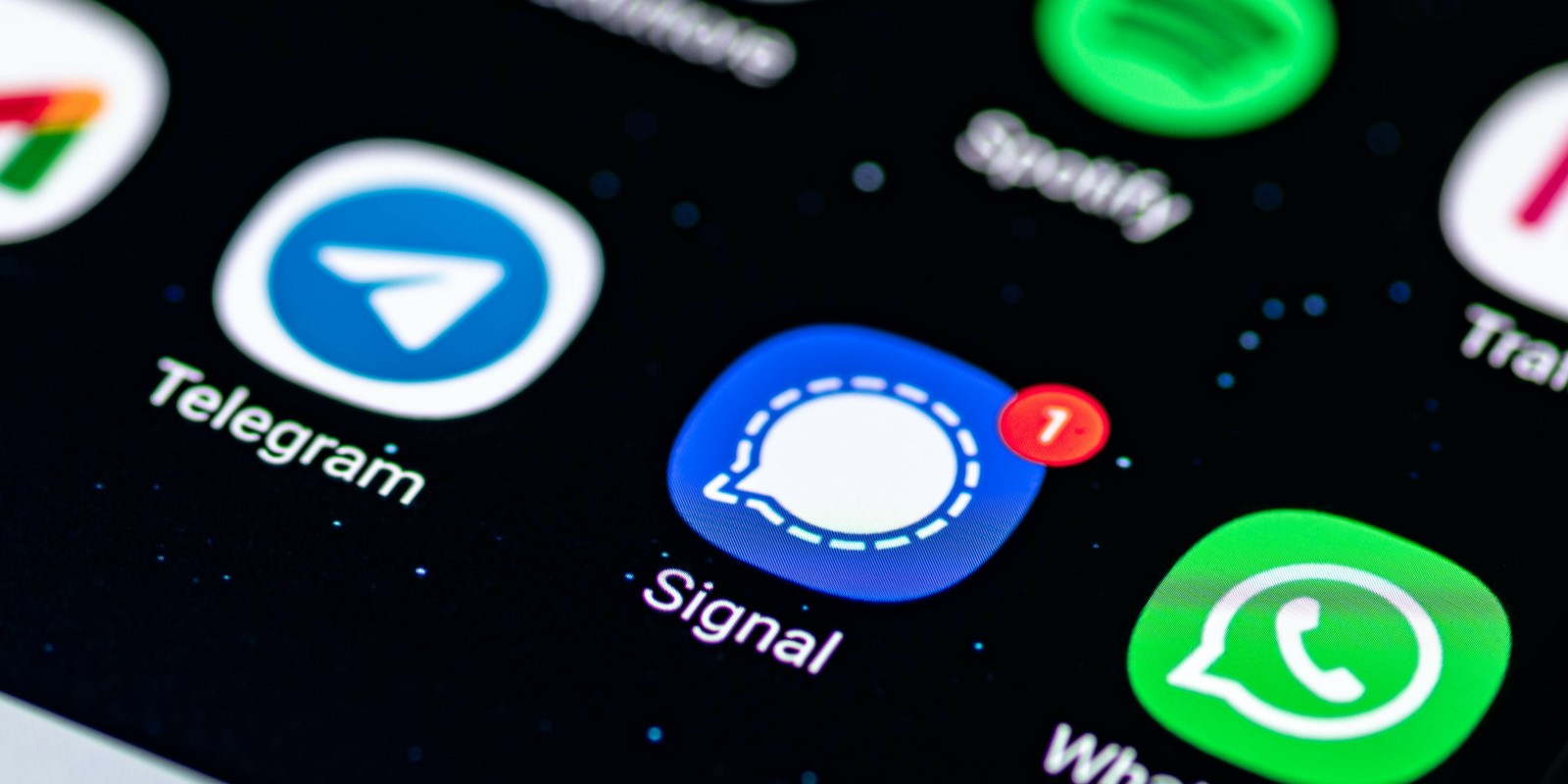
 Michele Ursi/Shutterstock.com
The need to be informed about digital privacy online is becoming something that has trickled down to the public domain. The era we live in right now, in the 2020s, is no longer just simply ‘The Information Age’. There are several interpretations as to what to call this era right now; the post-truth age, the post-privacy age, the post-religious age etc. We live in an era of landmark, historical changes where technological devices and the internet have become such a big staple in our culture that we have reached a level of complete symbiosis and reliance on these concepts. On the other side of the coin, there has never been a more sensitive time for humanity, a time where everything from ‘political correctness’ to online privacy activism, distrust towards the government to rising issues with things like racism and teenage depression are taking place.
Society is in trouble, yes, but so is our most important communications tool – the internet – and our relationship with it. More specifically, our relationship with the internet has been completely shattered due to the fact that we now know not to trust it. Why has this happened? It is enough just to mention what Edward Snowden has revealed about government surveillance and data gathering on citizens, which was not so long ago at all. On top of that, just think about the fact that dominant tech companies like Facebook and Google (to name a few) have faced several court cases. The internet is something we used to take for granted, but we know that ‘big tech’ and governments are the culprit for the turbulent state of internet privacy, and cybersecurity. The last decade has marked a total break in our trust towards the internet, and the awareness of the privacy of our data has never been at a higher level. The result of all of this has opened the doors for a completely new privacy-conscious and cybersecurity-conscious industry where the end goal is protecting the internet user. This industry has produced privacy-oriented browsers, search engines and messaging apps that promise to protect the user from the bad guys.
What is Digital Privacy And Why is it Important Today?
Digital privacy refers to the laws, organizations, directives, knowledge base and tools that apply to our rights concerning our digital data. The concept of digital privacy is not a new one at all, the foundation for modern day ‘data’ privacy laws has existed since the 1970s. As the internet gained influence over the world, these data laws would start to shift to an awareness of rights and laws surrounding our data on the internet. In 1983, the negative public opinion surrounding the invasive nature of a national census survey led to the Right of Informational Self-Determination law, for example. In 1995, with the internet already in force, an EU Directive on Data Protection was launched which promised some minimum standards surrounding data protection and the movement of data. The 2000s saw some new international privacy agreements such as the Safe Harbor Agreement, the Personal Data Privacy and Security Act and more recently the notoriously strict EU GDPR and California CCPA laws. Since then, several organizations and nonprofits that deal with privacy, such as the Electronic Frontier Foundation, have been launched as well. Why so much commotion over our privacy and all these laws? Well, since about 2015 the amount of data breaches, surveillance scandals and lack of transparency on the internet has completely changed public opinion on the internet and has forced many new bills and laws into action to try to reduce potentially dangerous consequences.
Tips to Stay Private While Using Messaging Apps
Now, in an era of free speech, digital privacy is a critical topic when it comes to devices and the internet. Established tech giants that dominate the market share are losing ground, because they have failed to sustain the people’s trust. For this reason, people are migrating away from mainstream software and products towards ‘alternative’ privacy-conscious choices that have become an entire industry at the moment. Google and Facebook own a huge share of the internet messaging services, social media and business apps. The problem is that these two companies have monopolized almost every big platform and popular app out there.
The Electronic Frontier Foundation, a non-profit digital privacy advocate, defines a list of criteria that, if applied, would define a correct privacy approach for a messaging app;
- Is data encrypted in transit?
- Can the provider read this data?
- Can the identities of contacts be verified?
- Is the messaging history secure if keys are stolen?
- Is the program code open to independent review?
- Is the security design documented properly?
- Are recent code audits available?
According to the EFF, who put these criteria up against ‘popular’ messaging apps; these criteria have been met only by Apple’s messaging services (and not fully, at that). This includes Apple’s iMessage and Facetime services which have met five of these seven privacy standards. Facebook chat, Google Hangouts, Whatsapp and Snapchat met only two of the criteria. Incredibly, Yahoo Messenger, Skype, AIM and a few others were only able to satisfy one of the above.
Now, what about alternative messaging solutions? Well, the news seems to be very good. There are six confirmed messaging app choices that scored full points on the above EFF privacy criteria for messaging apps, which were;
- Telegram
- Silent Circle
- Whisper Systems
- Pidgin
- Cryptocat
- Chatsecure
(Special mention: Jabber is touted as the most secure messaging app, but not widely used)
This list of ‘secure’ and ‘private’ messaging apps has recently changed, because some issues were found with some of them. The EFF did not want to “oversimplify” the selection process because they believe that there are multiple factors that determine the quality of a messaging app, not just from a pure privacy standpoint (reliability, for example). The general consensus is, though, seems to be that EFF preferred Signal. There is always a caveat though, and that is that, as the EFF put it “No single messaging app can perfectly meet everyone’s security and communication needs”.
Finally, it is important to remember never to fully trust any apps, and to avoid sharing sensitive information on the internet in any shape or form. Avoiding this critical mistake from the start is the most guaranteed security tactic you can apply. Even if you use a properly secured E2EE (End-to-End-Encryption) messaging app, it will fail if user error is involved. At the end of the day, If your device is unsecured and you don’t have a complex password across your messaging apps as well as some basic security knowledge, an app itself will not save you from privacy intrusions and the consequences of this.
The post Use Privacy-Oriented Messaging Apps appeared first on Financial Market Brief.
