



Ageing is a natural process, but the way we age can be influenced by everyday habits. As the years pass, changes in energy levels, muscle function, cardiovascular health and cellular processes can become more noticeable. Supporting the body with sensible nutrition, regular movement, restorative sleep and a balanced lifestyle can help maintain overall wellbeing.
Cellular function is particularly important because virtually every tissue in the body depends on healthy cells performing their normal roles. From producing energy to maintaining cellular structures, these microscopic processes are closely connected to how we feel and function.
For people interested in healthy ageing, the goal is not to stop ageing but to create habits that support the body’s natural processes over time.
Why Cellular Energy Matters as You Age
Every cell requires energy to carry out its normal functions. Much of this energy is produced by structures called mitochondria, which are often described as the energy-producing components of cells.
Mitochondrial function can change with age. This is one reason researchers continue to investigate nutrition, exercise and other lifestyle factors that may support cellular energy metabolism.
Supporting energy production does not necessarily mean reaching for stimulants. Instead, a broader approach can include eating a nutrient-rich diet, staying physically active, getting adequate sleep and maintaining healthy body composition.
These fundamentals provide the foundation for healthy ageing.
Build a Nutrient-Dense Diet
Food provides the raw materials the body needs for normal cellular processes. A varied diet can supply vitamins, minerals, protein, healthy fats and plant compounds that contribute to overall health.
Focus on Whole Foods
A balanced UK-friendly eating pattern might include:
- Colourful vegetables and leafy greens
- Berries and other fruits
- Whole grains
- Beans, lentils and other legumes
- Nuts and seeds
- Oily fish
- Eggs and other protein sources
- Extra virgin olive oil
Polyphenols are another interesting area of nutrition research. These naturally occurring plant compounds are found in foods such as berries, cocoa, grapes, tea and certain herbs.
Resveratrol is one type of polyphenol that has attracted considerable scientific interest because of its relationship with cellular pathways involved in ageing and metabolism.
For people researching supplements, the phrase resveratrol best supplement can lead to many different products. However, comparing ingredient quality, dosage information, manufacturing standards and independent testing is more useful than choosing a product based solely on marketing claims.
Keep Moving for Healthy Ageing
Physical activity is one of the most practical ways to support energy metabolism and cardiovascular function as you get older.
You do not necessarily need an intense training programme. Regular walking, cycling, swimming, gardening and recreational activities can all contribute to an active lifestyle.
Combine Different Types of Exercise
A well-rounded routine can include:
Aerobic activity: Brisk walking, cycling or swimming can support cardiovascular fitness.
Strength training: Resistance exercises help maintain muscle strength and physical independence.
Mobility work: Stretching and mobility exercises can support comfortable movement.
Balance exercises: Activities such as controlled single-leg movements or certain forms of yoga may help maintain balance.
The NHS generally recommends that adults stay active throughout the week and include strengthening activities as part of their routine. Starting gradually and choosing activities that are enjoyable can make consistency easier.
Prioritise Quality Sleep
Sleep is often overlooked when people discuss energy. Yet adequate, consistent sleep is an important part of maintaining normal physical and cognitive function.
Adults have different sleep requirements, but many benefit from approximately seven to nine hours each night.
Simple habits can make a difference:
- Keep a consistent bedtime and wake-up schedule.
- Reduce exposure to bright screens before bed.
- Keep the bedroom comfortable and quiet.
- Avoid large meals immediately before bedtime.
- Include regular daytime movement.
- Create a relaxing evening routine.
Rather than focusing only on the number of hours slept, consider sleep quality and how refreshed you feel during the day.
Support Cardiovascular Health Through Lifestyle
Healthy ageing and cardiovascular wellbeing are closely connected. The heart and blood vessels work continuously, so supporting them should be part of a long-term lifestyle strategy.
Dietary patterns rich in vegetables, whole grains, legumes, fish, nuts and unsaturated fats can fit well into a heart-conscious approach.
Regular physical activity also matters. Even replacing prolonged sitting with short periods of movement throughout the day can help create a more active routine.
Other practical considerations include avoiding smoking, moderating alcohol intake and attending routine health checks appropriate for your age and circumstances.
Understand the Role of Supplements
Supplements can be useful in specific circumstances, but they should complement rather than replace a balanced diet and healthy lifestyle.
Resveratrol is an example of a compound that has received significant attention in research into healthy ageing. It is naturally present in small quantities in certain foods, including grapes and some berries.
However, evidence surrounding individual supplements can be complex, and research findings do not automatically mean that taking a supplement will produce a particular health outcome.
If you are considering a resveratrol best supplement, look beyond the front of the bottle.
What Should You Check?
Consider factors such as:
- Clearly stated ingredient quantities
- Transparent product labelling
- Quality and purity information
- Appropriate manufacturing standards
- Independent testing where available
- Storage instructions
- Reputable sourcing
- Guidance from a qualified healthcare professional when appropriate
People taking medicines or managing existing health concerns should seek professional advice before adding new supplements to their routine.
Manage Everyday Stress
Long-term stress can influence sleep, eating patterns, activity levels and general wellbeing. Managing stress therefore forms another piece of the healthy ageing puzzle.
You might experiment with activities such as walking outdoors, breathing exercises, reading, hobbies, meditation or spending time with friends and family.
The most effective strategy is usually the one that fits naturally into your routine.
For example, a 20-minute walk after dinner may be easier to maintain than an ambitious wellness routine that becomes difficult to follow after a few weeks.
Maintain Healthy Relationships and Mental Stimulation
Healthy ageing is not only about nutrition and physical fitness. Social connection and mental engagement are also valuable parts of overall wellbeing.
Learning a new skill, reading, playing music, completing puzzles or participating in community activities can keep everyday life stimulating.
Likewise, maintaining meaningful relationships can contribute to a positive lifestyle and provide opportunities for social interaction.
A healthy ageing strategy should therefore consider physical, nutritional, mental and social wellbeing together.
Create Sustainable Habits
One of the biggest mistakes people make is trying to change everything at once.
Instead, focus on small improvements.
For example, you could begin by adding a daily walk, increasing your vegetable intake, establishing a consistent bedtime and incorporating two strength sessions into your weekly schedule.
Once these habits become routine, additional changes become easier to introduce.
Healthy ageing is not a short-term challenge. It is a long-term process built around consistent choices.
Conclusion
Supporting energy and cellular function as you age involves much more than a single food or supplement. A nutrient-rich diet, regular physical activity, adequate sleep, cardiovascular-conscious habits, stress management and social engagement can all contribute to a well-rounded approach to healthy ageing.
Resveratrol remains an interesting subject within nutritional and ageing research, but consumers should approach products thoughtfully. If searching for a resveratrol best supplement, prioritise transparent labelling, quality standards and responsible product information rather than exaggerated promises.
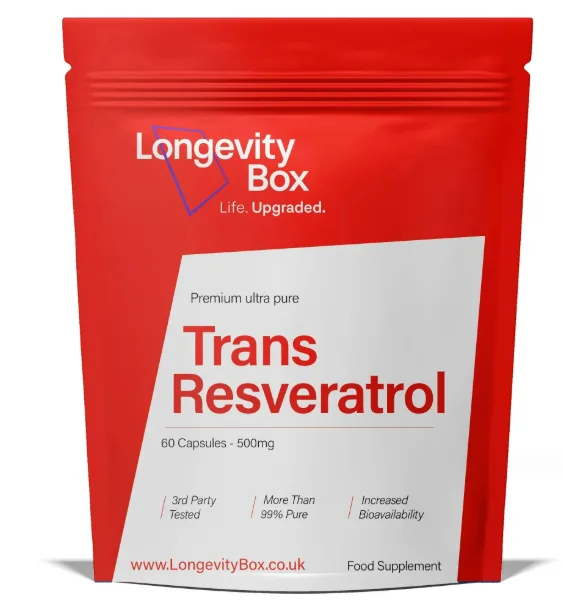
For those exploring evidence-informed options for healthy ageing, Longevity Box Ltd provides a convenient starting point for learning more about supplements designed around longevity and cellular health.
FAQs
1. Why does cellular function matter as we age?
Cells carry out essential processes throughout the body, including energy production and maintenance. Supporting overall cellular health is therefore an important part of a healthy ageing lifestyle.
2. Can exercise support cellular energy?
Regular physical activity can influence energy metabolism and cardiovascular fitness. A combination of aerobic activity, strength training and mobility work can provide a balanced approach.
3. What foods contain resveratrol?
Resveratrol occurs naturally in foods such as grapes, some berries and peanuts. The amounts found in foods can vary considerably.
4. What should I consider when choosing a resveratrol supplement?
Look at the ingredient amount, product transparency, manufacturing standards, sourcing and quality information. If you take medicines or have specific health concerns, consider speaking with a qualified healthcare professional before using a supplement.
5. Is healthy ageing only about taking supplements?
No. Supplements are only one potential component of a broader lifestyle. Nutrition, exercise, sleep, stress management, social connection and routine healthcare all have important roles in supporting overall wellbeing.
