



There’s a particular kind of quiet that hits you the first time a wild elephant crosses the road right in front of your vehicle or when a silverback gorilla looks straight through you from ten feet away. That’s East Africa doing what it does best. If you’ve been scrolling through safari brochures trying to decide between a Uganda safari, a Tanzania safari, or safaris to Kenya, you’re not alone—most travelers land on this exact fork in the road. The good news is you don’t have to get it perfect on the first try, because these countries share borders, ecosystems, and often the same migrating herds. And if a gorilla tour is on your bucket list, you’re about to discover why so many people call it the single most emotional wildlife encounter of their lives.
Why East Africa Is the World’s Best Safari Destination in 2026
Nowhere else on the planet packs this much biodiversity into a single region. You’ve got the Big Five wandering the plains, the Great Migration thundering across the Serengeti-Mara ecosystem, and mountain gorillas hiding in misty highland forests that feel like something out of a nature documentary. Between Uganda, Kenya, and Tanzania, there are dozens of national parks, each with its own personality—some are all rolling savannah, others are dense jungle, and others are volcanic and green. Add in centuries-old cultures, from Maasai villages to Batwa forest communities, and you start to understand why repeat safari travelers keep coming back. Whether you want a luxury tented camp with a private plunge pool, a budget-friendly family safari, a slow honeymoon retreat, or a punishing photography expedition chasing golden-hour light, an East Africa safari bends to fit almost any travel style. And logistically, combining a Uganda safari with Tanzanian or Kenyan safaris is far easier than people expect — regional flights connect major safari hubs in under two hours.
Uganda Safari – The Perfect Blend of Wildlife and Gorilla Adventures
Why Uganda Stands Out
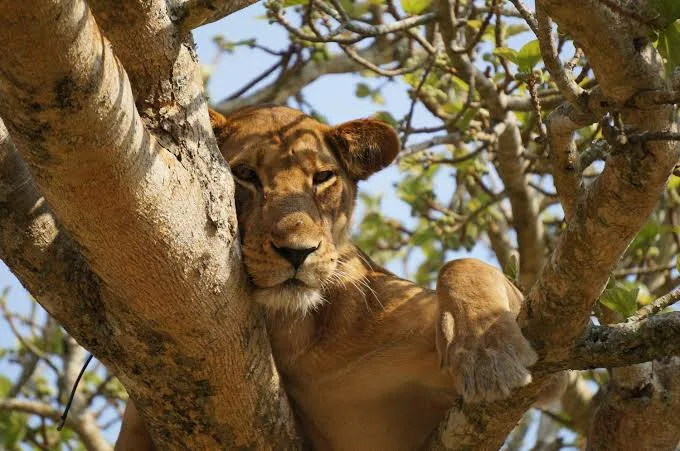
Uganda doesn’t try to compete with Kenya’s open plains or Tanzania’s endless herds—it plays its own game, and it wins. This is gorilla trekking country, plain and simple, but it’s also where you can track chimpanzees through the rainforest canopy in the morning and cruise past hippos and crocodiles on the Kazinga Channel by afternoon. Queen Elizabeth National Park is famous for its tree-climbing lions lounging in fig trees like they own the place (they kind of do). Add rolling tea plantations, crater lakes, and some of the friendliest local guides in Africa, and a Uganda safari starts to feel less like a checklist and more like a genuine adventure.
Top Parks Worth Your Time
Bwindi Impenetrable Forest is the crown jewel — nearly half the world’s remaining mountain gorillas live in its tangled undergrowth. Mgahinga Gorilla National Park offers a quieter, less-crowded gorilla trekking alternative in the Virunga volcanoes. Queen Elizabeth National Park gives you classic game drives plus that unforgettable boat safari. Murchison Falls National Park delivers dramatic scenery where the Nile squeezes through a narrow gorge, and Kibale Forest is the chimpanzee capital of East Africa. Birdwatchers, in particular, tend to lose their minds in Uganda — it’s home to over a thousand recorded bird species.
Safaris to Kenya – Classic African Wildlife Experiences
Why Kenya Remains a Global Favorite
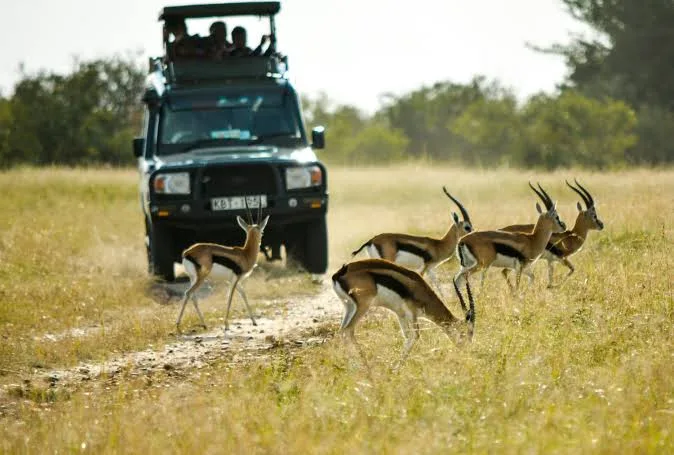
Ask most people to picture an African safari, and they’re probably picturing Kenya without even realizing it. The Masai Mara, with its golden grasslands and river crossings during the Great Migration, is the postcard image of safari travel. Amboseli gives you elephants posing against the backdrop of Kilimanjaro. Lake Nakuru is famous for its flamingo-dusted shores and rhino sanctuary. Samburu offers a rugged, semi-arid landscape with species you won’t find further south, and Tsavo — Kenya’s largest park — is where you’ll spot the famous red elephants, dusted from rolling in iron-rich soil.
Experiences That Define a Kenya Safari
This is Big Five territory through and through, and if you time it right, you’ll witness the Great Migration river crossings that made this region famous on every nature documentary. A hot air balloon safari over the Mara at sunrise is one of those bucket-list splurges people talk about for years. Spend an afternoon learning about Maasai culture in a nearby village, and you’ll walk away with a completely different perspective on the land you’ve been driving through. Kenya also does family safaris exceptionally well, with lodges built around swimming pools, kid-friendly game drives, and shorter travel distances between camps.
Tanzania Safaris – Endless Wildlife Across Iconic National Parks
Famous Safari Destinations
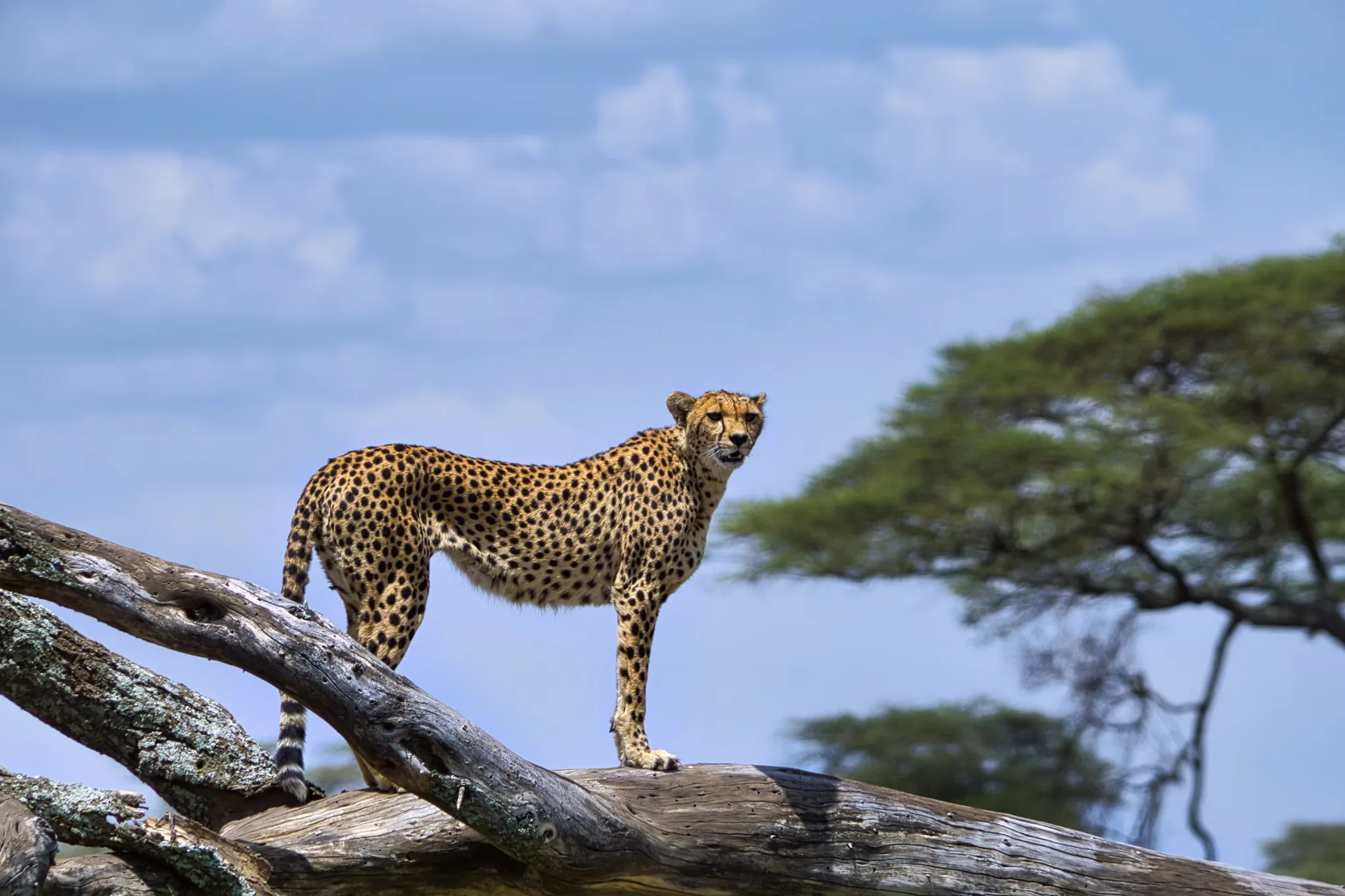
If Kenya is the postcard, Tanzania is the epic feature film. The Serengeti stretches out further than the eye can process, hosting the largest overland migration on Earth. The Ngorongoro Crater is a self-contained wildlife bowl so dense with animals it feels almost staged — except it’s completely real. Tarangire is famous for its ancient baobab trees and massive elephant herds, Lake Manyara offers tree-climbing lions and flamingo-lined shores, and Ruaha, still relatively undiscovered by mass tourism, rewards travelers with wide-open wilderness and fewer vehicles at every sighting.
Why Travelers Love Tanzania
The sheer scale of wildlife here is hard to describe until you’ve seen it — wildebeest herds that stretch to the horizon, big cats draped across acacia branches, and skies that turn every sunset into a photography session. Tanzania also has some of the continent’s most exclusive luxury camps, tucked into private conservancies where you might not see another vehicle all day. For anyone chasing the migration specifically, timing a Tanzania safari around the calving season or the river crossings is worth building an entire trip around.
Gorilla Tour vs. Traditional Wildlife Safari – Which Experience Is Right for You?
People often assume a gorilla tour is just another safari activity you tack onto a trip, but it’s genuinely a different kind of experience.
| Gorilla Tour | Wildlife Safari |
| Mountain gorillas | Big Five |
| Forest trekking on foot | Game drives by vehicle |
| Small groups (max 8 people) | Larger wildlife viewing groups |
| Physically active adventure | Relaxed, seated exploration |
| One intimate, personal encounter | Wide variety of sightings daily |
A gorilla tour demands a reasonable fitness level — you might hike anywhere from thirty minutes to several hours through steep, muddy terrain — while a traditional wildlife safari is far gentler on the body, which makes it a better fit for older travelers or very young children. Budget matters too: gorilla permits alone run into the hundreds of dollars per person, so families on a tighter budget sometimes prioritize the wildlife safari and save gorilla trekking for a future trip. Couples looking for something intimate and adrenaline-tinged often gravitate toward gorilla tours, while wildlife photographers tend to want both — the gorillas for portraiture and the open plains for action shots.
Gorilla Safaris – Everything First-Time Travelers Should Know
Booking your first gorilla safari trip comes with a learning curve, so here’s the short version. You’ll need a gorilla permit, and these sell out months in advance during peak season, so book early. The trek itself varies wildly in difficulty — some groups are a gentle walk from the trailhead, others require hours of climbing through dense vegetation, and you won’t know which until trek day, since gorilla families move location constantly. Once you find them, you’re allowed exactly one hour in their presence, which somehow always feels both too short and completely sufficient. There’s a minimum age requirement of fifteen for gorilla trekking, largely for safety and conservation reasons. Pack sturdy waterproof boots, gardening gloves for gripping vines, and a rain jacket regardless of season. Responsible tourism matters enormously here — permit fees fund anti-poaching patrols and community development, so every trekker is quite literally paying into gorilla conservation just by showing up.
Best Time to Visit Uganda, Kenya and Tanzania
| Country | Best Months | Wildlife Highlights |
| Uganda | June–September, December–February | Gorilla trekking (drier trails) |
| Kenya | July–October | Big Five, Mara river crossings |
| Tanzania | June–October | Serengeti migration |
Rainy season travel isn’t necessarily a bad idea — it’s cheaper, the landscapes turn a lush green, and newborn animals are everywhere during the “green season.” It’s just muddier, and gorilla treks get noticeably tougher underfoot. Peak season (roughly July through September) means better road conditions and predictable migration viewing, but also higher prices and busier lodges. Photographers often prefer the shoulder months for softer light and thinner crowds.
How to Combine a Ugandan Safari, Tanzanian Safaris, and Safaris to Kenya in One Trip
More travelers than you’d think end up doing all three in a single vacation, and it works better than people expect. A common route starts with a Uganda safari for gorilla trekking and chimp tracking, then a short regional flight into Kenya for the Masai Mara, before finishing with Tanzania safaris across the Serengeti and Ngorongoro Crater. Land border crossings exist too, though flying is usually faster and less exhausting given the driving distances involved. For a trip covering all three countries properly, plan on at least fourteen days — closer to eighteen if you want unhurried time in each park rather than a rushed, box-ticking itinerary. Many operators build “gorilla tour plus safari” combination packages specifically for this kind of multi-country adventure.
Practical Travel Tips Before Booking Your African Safari
Choose a tour operator with genuine on-the-ground experience in the specific parks you’re visiting—not just a generic Africa-wide agency. Travel insurance that covers medical evacuation is non-negotiable given how remote some parks are. Visa requirements vary by nationality, though Kenya, Uganda, and Rwanda all participate in an East Africa Tourist Visa that covers multiple countries on one application. Yellow fever vaccination is typically required, and your doctor may also recommend malaria prophylaxis. Pack layers, since mornings in the highlands can be genuinely cold. A decent zoom lens will serve you far better than a wide-angle for wildlife shots. Bring cash in small denominations for tips and local markets, since card access is patchy outside major lodges. And wherever possible, book with operators who visibly reinvest in local communities and conservation — it changes the character of the whole trip.
Why Gorilla Conservation Makes Every Gorilla Tour More Meaningful
Mountain gorillas were once teetering toward extinction, and the fact that their numbers have slowly climbed back is one of conservation’s genuine success stories. Every gorilla tour you book directly funds ranger patrols, anti-poaching units, and community programs that give local people a real economic stake in keeping gorillas alive rather than viewing them as competition for land. It’s a rare case where tourism itself became the solution instead of the problem. Traveling responsibly — sticking to permit limits, keeping your distance, following your guide’s instructions — protects the very thing you came to see.
Final Thoughts – Choosing the Right East African Safari for Your Travel Style
If gorilla trekking is calling your name, Uganda delivers that experience like nowhere else. If you want the classic safari imagery—golden plains, roaring lions, migration river crossings—safaris to Kenya check every box. If scale and sheer wildlife density are what excite you, Tanzania safaris across the Serengeti and Ngorongoro will not disappoint. And if you genuinely can’t choose, that multi-country itinerary combining a Uganda safari, Tanzania safaris, and Kenya’s best parks might just be the trip of a lifetime.
Frequently Asked Questions (FAQs)
Is a Uganda safari better for gorilla trekking than Kenya or Tanzania?
Yes, Uganda is the top choice for gorilla trekking, home to nearly half the world’s mountain gorillas in Bwindi Impenetrable Forest. Kenya has no gorilla populations, and while Tanzania borders gorilla habitat, it doesn’t offer trekking permits. Rwanda is Uganda’s only real rival for gorilla safaris.
How difficult is a gorilla tour for beginners?
It depends on the day—treks range from a gentle thirty-minute walk to a demanding multi-hour climb through steep, muddy forest. Reasonable fitness helps, but porters are available to assist. Most first-timers manage fine with proper boots, trekking poles, and a realistic pace.
Can I combine Tanzania safaris with safaris to Kenya in one vacation?
Absolutely, and it’s a popular route. The Serengeti and Masai Mara are part of the same migration ecosystem, connected by short regional flights or a land border crossing. Many travelers spend a week in each country for a seamless two-nation safari experience.
What is the best month for gorilla safaris in East Africa?
The dry seasons — June through September and December through February — offer the best trekking conditions, with firmer trails and easier forest access. Permits during these months sell out fast, so booking six to twelve months ahead is strongly recommended.
How many days should I plan for a Uganda safari and gorilla tours?
Seven to ten days is a comfortable minimum for gorilla trekking plus a proper wildlife safari in Queen Elizabeth or Murchison Falls National Park. Add extra days if you want to include chimpanzee tracking in Kibale Forest or a boat safari on the Kazinga Channel.
