



Cracking the screen on your iPhone 16 Pro Max can cost anywhere from $300 to over $500 in repairs — a painful reality for anyone who has experienced that sinking feeling after a drop. For a device that represents a significant financial investment, protecting its display isn’t optional; it’s essential. An iPhone 16 Pro Max screen protector is one of the simplest and smartest safeguards you can add from day one.
But here’s the dilemma: budget-conscious shoppers are often caught between cheap products that fail within weeks and premium options that stretch their wallets thin. The good news is that the market for affordable phone accessories has matured significantly, and you no longer have to sacrifice quality for cost. Today’s durable tech gear includes screen protectors that genuinely deliver long-term protection without demanding a premium price tag.
This article cuts through the noise to help you find screen protectors that offer real value — covering the main types available, what to look for when comparing options, and a straightforward installation guide to ensure you get it right the first time. Whether you’re upgrading your mobile setup or simply replacing a worn protector, you’ll walk away knowing exactly what to buy and how to apply it.
Why Protecting Your iPhone 16 Pro Max is a Crucial Investment
The iPhone 16 Pro Max features Apple’s latest Ceramic Shield glass, but “toughest ever” doesn’t mean indestructible. Everyday hazards — a phone sliding off a table, keys sharing pocket space with your device, or a single bad drop onto concrete — can leave your screen scratched, cracked, or shattered. The display is both the most used and most exposed component of your phone, making it the part most likely to sustain damage over a typical ownership period.
Repair costs make this a financial concern, not just an aesthetic one. Apple’s out-of-warranty screen replacement for the iPhone 16 Pro Max runs upward of $379, and third-party repair shops rarely offer dramatic savings for a display of this caliber. For budget-conscious shoppers, that’s a significant unexpected expense — one that a $10 to $30 screen protector could have prevented entirely.
Beyond the cost, a damaged screen actively degrades your experience. Hairline cracks distort touch responsiveness, deep scratches interfere with readability in bright light, and a shattered display can make the device genuinely unsafe to use. If you’ve invested in a mobile setup upgrade with the 16 Pro Max, letting screen damage erode that experience makes little sense. A quality screen protector is a durable, cost-effective measure that pays for itself the first time it absorbs an impact your screen would have otherwise taken.
Common Risks and Financial Implications
The most frequent culprits are drops onto hard surfaces, abrasive contact with keys or coins, and accidental impacts during daily commutes. Studies from repair services consistently show that screen damage accounts for over 50% of all smartphone repairs. For iPhone 16 Pro Max owners specifically, a single cracked screen without AppleCare+ coverage can cost more than many people spend on an entire month of phone accessories. Preventive protection is simply the smarter financial move.
Exploring Durable Tech Gear: Types of iPhone 16 Pro Max Screen Protectors
Not all screen protectors are created equal, and understanding the core differences between your options is the first step toward making a smart purchase. The market broadly divides into two categories: tempered glass and plastic film. Each brings a distinct set of trade-offs around protection level, feel, and cost — and the right choice depends on how you use your phone and what you’re willing to spend. What matters most for budget-conscious shoppers is finding durable tech gear that holds up over months of real-world use, not just the first week out of the packaging.
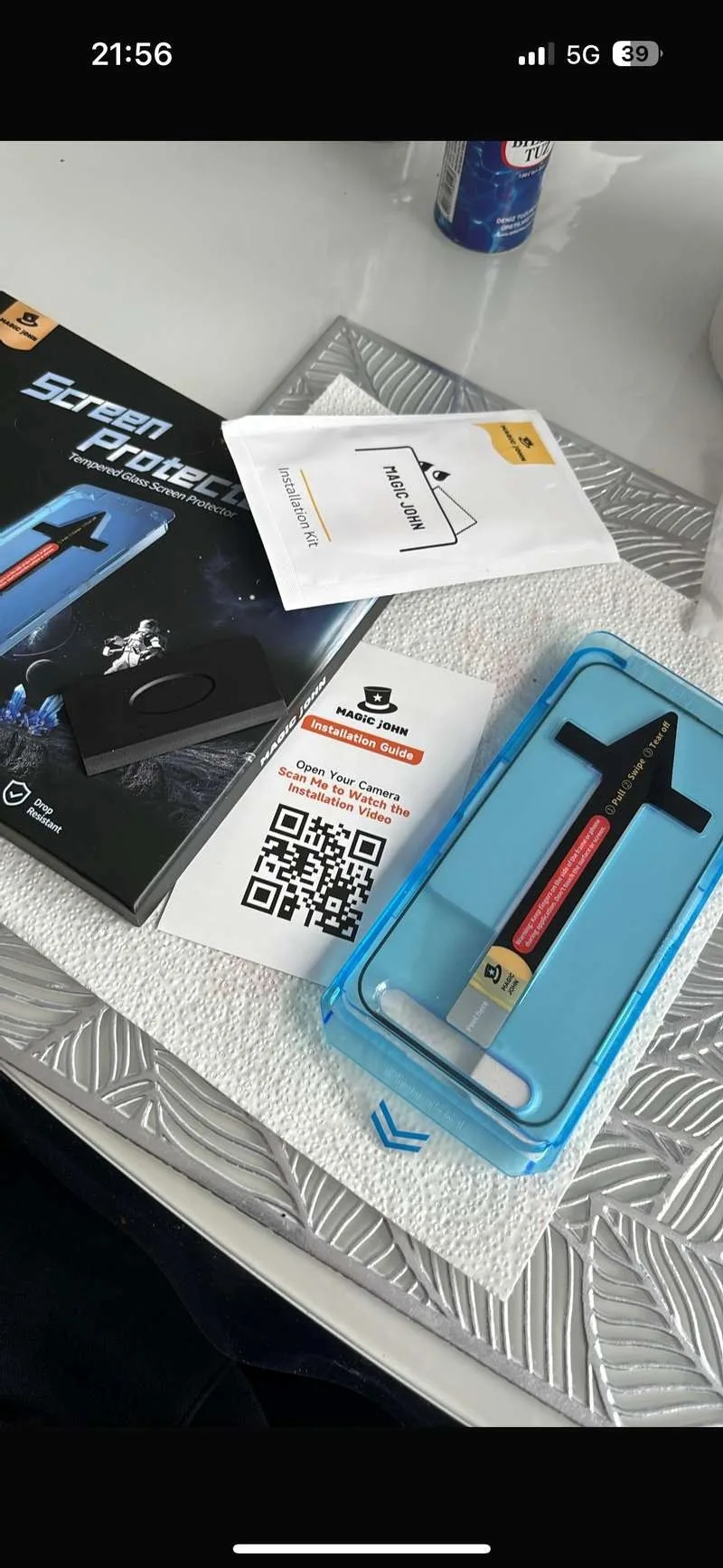
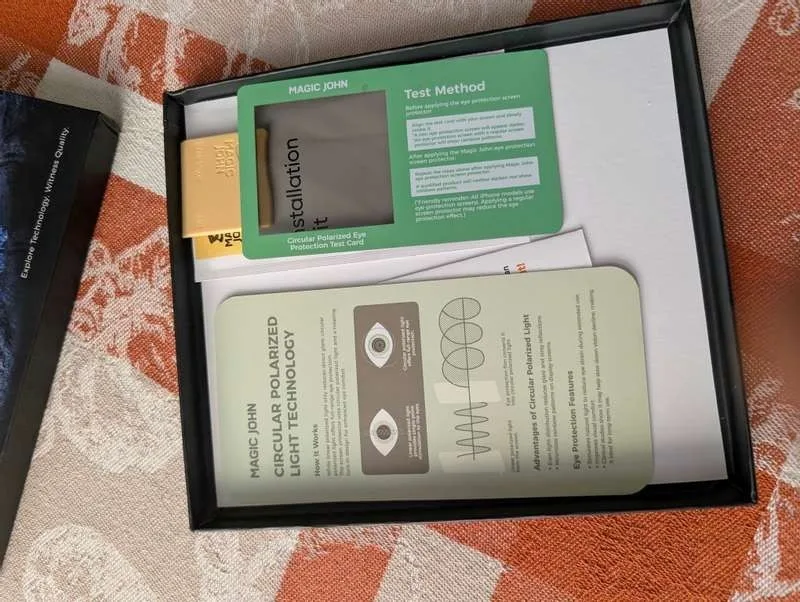
Tempered glass protectors dominate the premium end of the category, offering hardness ratings typically between 9H and 10H on the Mohs scale. This level of hardness means keys, coins, and most everyday abrasives won’t leave a mark. They also absorb and distribute impact energy more effectively than film alternatives, giving your actual display a meaningful buffer during drops. The trade-off is a slightly higher price point, though tempered glass options have become widely available in the $10 to $25 range — with brands like MagicJohn offering competitively priced multi-packs that include alignment trays and full installation kits.
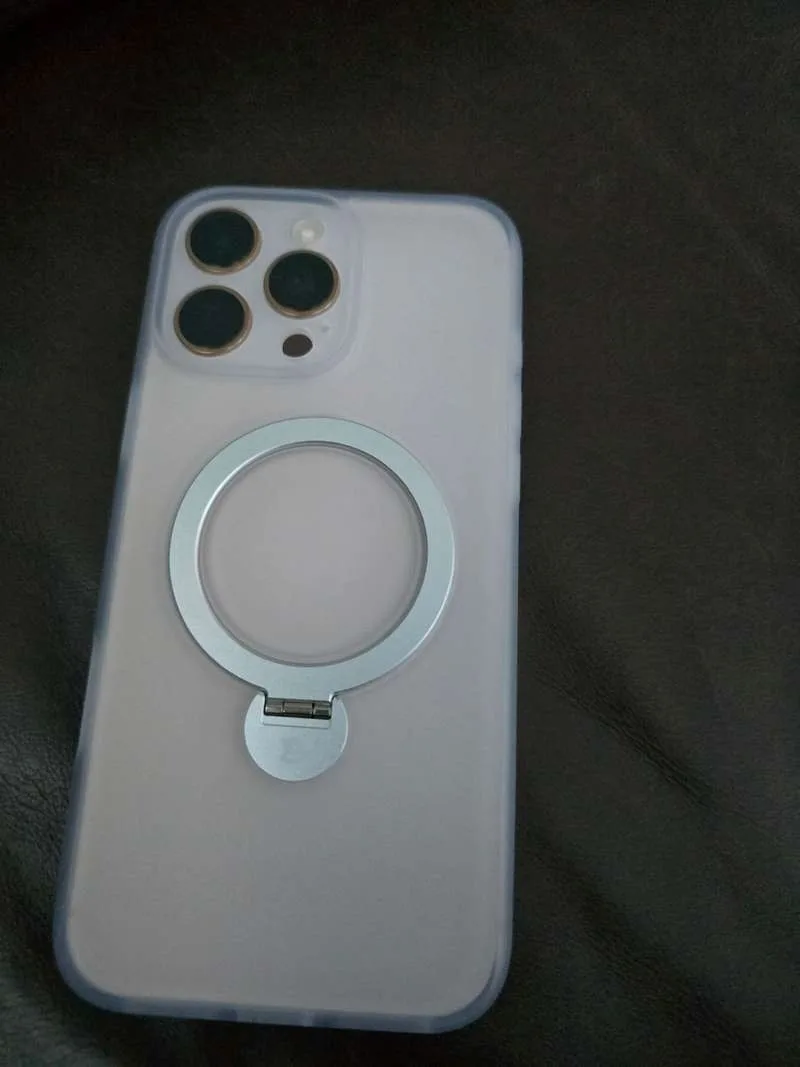
Plastic films, by contrast, sit at the more affordable end of the spectrum. Polyethylene terephthalate (PET) and thermoplastic polyurethane (TPU) films are thinner, lighter, and often self-healing for minor surface scratches. They won’t match tempered glass in outright impact resistance, but for users who prioritize minimal bulk and lower upfront cost, they remain a practical choice worth considering.
Tempered Glass: Maximum Protection for Your Mobile Setup
Tempered glass screen protectors are the go-to option for anyone who wants genuine drop and scratch defense without constantly worrying about their phone. The 9H hardness rating resists scratches from nearly all everyday objects, while the glass composition absorbs shock rather than transferring it directly to your display. Critically, quality tempered glass maintains full touch sensitivity and optical clarity, so your mobile setup upgrade doesn’t come with any functional compromise. Look for options with an oleophobic coating to resist fingerprints and smudges for a cleaner, more natural feel during daily use.
Plastic Films: Affordable and Lightweight Options
Plastic film protectors appeal to shoppers who want affordable phone accessories with a minimal footprint. TPU films, in particular, offer a degree of self-healing capability — light surface scratches gradually disappear over time due to the material’s flexibility. They’re also easier to apply without trapping bubbles and tend to cost under $10 for multi-packs. The main limitation is impact resistance; films won’t absorb the force of a hard drop the way tempered glass can. For low-risk environments or as a secondary layer under a rugged case, they’re a sensible, budget-friendly option.
How to Choose Affordable Phone Accessories That Offer Real Value
Finding an affordable phone accessories option that actually holds up requires more than scanning for the lowest price. The screen protector market is flooded with products that look identical in listings but perform very differently in practice. A disciplined approach to selection — weighing price against verifiable quality signals — will save you from repeat purchases that end up costing more than a single quality buy would have.
Start with brand reputation and user reviews. Established brands with thousands of verified reviews provide a track record that a generic, no-name listing simply can’t match. Look specifically for reviews that mention long-term use — comments about how the protector held up after three or six months matter far more than first-impression feedback. Warranty coverage is another reliable quality signal; brands confident in their product typically offer replacement guarantees, which effectively reduces your cost per year of protection.
Price comparison becomes meaningful once you narrow your options to reputable products. Multi-packs often deliver the best cost-per-unit value, especially for tempered glass options in the $15 to $25 range. Avoid the trap of treating the cheapest single unit as the most economical choice — a $5 protector that yellows or chips within two months costs more annually than a $20 option that lasts a full year. Seasonal sales on platforms like Amazon or direct brand websites can also bring premium options into budget range without sacrificing quality.
Key Considerations for Budget-Conscious Shoppers
Before purchasing, set a clear budget ceiling and identify your primary priority — scratch resistance, impact protection, or minimal bulk. Then compare options by features per dollar: oleophobic coatings, hardness ratings, and installation kits all add tangible value. Check for discount bundles, coupon codes, and retailer promotions, which frequently bring quality affordable phone accessories into the $10 to $15 range. Prioritizing these factors ensures you get durable, long-lasting protection without overspending.
Step-by-Step Guide to Installing Your iPhone 16 Pro Max Screen Protector
Even the best durable tech gear fails to deliver its full potential if applied incorrectly. A misaligned protector with trapped dust or persistent air bubbles isn’t just frustrating — it compromises adhesion and leaves your screen partially exposed. Taking ten minutes to install your protector properly is just as important as choosing the right one, and the process is straightforward once you understand what each step is actually accomplishing.
Begin in a low-dust environment — a recently steamed bathroom works surprisingly well, as moisture settles airborne particles that would otherwise land on your screen mid-installation. Turn off overhead fans and work on a clean, flat surface. Before touching the protector itself, power off your phone and inspect the screen under a bright light to spot any existing dust or smudges that need to be addressed first.
If you encounter stubborn air bubbles after application, don’t panic and peel the protector off immediately. Use a credit card wrapped in a microfiber cloth to gently push bubbles toward the nearest edge with slow, firm strokes. Small bubbles near the center often disappear on their own within 24 to 48 hours as the adhesive fully bonds to the display.
Tools and Preparation for a Perfect Fit
Most quality screen protectors include an installation kit, but confirm yours contains a microfiber cleaning cloth, a dry wipe, dust removal stickers, and an alignment tray or frame. The alignment tray is especially valuable for the iPhone 16 Pro Max’s large display — it eliminates the guesswork of manual positioning. Work in a well-lit space so you can clearly see dust particles before they become trapped under the glass.
Installation Process and Maintenance Tips
Use the dust stickers to lift any remaining particles after wiping the screen, then peel the protective backing and use the alignment tray to position the protector before pressing it down. Apply light pressure from the center outward. For ongoing maintenance, clean the surface weekly with a microfiber cloth and avoid harsh chemical sprays that can degrade oleophobic coatings over time — preserving both clarity and touch sensitivity as part of your broader mobile setup upgrade.
Top Recommendations for Durable and Affordable iPhone 16 Pro Max Screen Protectors
With a clear understanding of what makes a screen protector worth buying, the next step is knowing which products actually deliver on those promises. The market has no shortage of options, but a handful of consistently well-reviewed products stand out for combining genuine durable tech gear quality with pricing that won’t strain your budget. Whether you prioritize maximum impact resistance or a barely-there feel, there’s a strong option in each category that earns its place in any mobile setup upgrade.
For tempered glass, Spigen’s GlasTR EZ Fit and ESR’s Tempered Glass Protector are two of the most reliable picks in the $15 to $25 range. Both carry 9H hardness ratings, include alignment trays for precise installation, and feature oleophobic coatings that hold up well over months of daily use. Spigen’s multi-pack offering is particularly cost-effective, delivering two protectors for the price most competitors charge for one. ESR’s ArmorGlas variant adds an extra anti-shatter film layer, making it a strong choice for users who frequently drop their devices. MagicJohn’s tempered glass protector is another option worth considering in this tier, offering a similar 9H-rated build with a bubble-free alignment frame included in the box.
On the film side, IQ Shield’s LiquidSkin TPU film and amFilm’s PET protector represent the best of affordable phone accessories in this category. Both come in multi-packs under $10, apply cleanly without trapping bubbles, and offer a near-invisible profile that preserves the phone’s original feel. Neither matches tempered glass for impact defense, but for everyday scratch protection at minimal cost, they’re hard to beat.
Best Value Picks for Every Budget
For under $15, the amFilm TPU multi-pack offers reliable scratch resistance and effortless installation — ideal for cautious users who prioritize a slim profile. In the $15 to $25 range, Spigen’s GlasTR EZ Fit delivers the best combination of 9H hardness, oleophobic coating, and an alignment tray that makes bubble-free application straightforward even for first-timers. Both options represent genuine value without compromising on the features that matter most for day-to-day protection.
Choosing the Right Screen Protector for Long-Term Value
Protecting your iPhone 16 Pro Max doesn’t have to be a costly or complicated decision. As this guide has shown, a well-chosen screen protector is one of the smartest investments you can make for a device of this value — preventing repair bills that can easily exceed $379 with a product that costs a fraction of that amount.
The key takeaways are straightforward: tempered glass protectors offer the strongest defense against drops and scratches, while plastic films provide a lightweight, budget-friendly alternative for lower-risk use cases. Choosing the right option means looking beyond price alone — factoring in hardness ratings, oleophobic coatings, warranty coverage, and verified user reviews to identify genuinely durable tech gear that holds up over time. Proper installation matters just as much as product quality, so taking the time to clean your screen, use an alignment tray, and work in a dust-free environment ensures your protector performs as intended from day one.
For budget-conscious shoppers, options like Spigen’s GlasTR EZ Fit and amFilm’s TPU multi-pack demonstrate that affordable phone accessories can absolutely deliver long-term value. Your iPhone 16 Pro Max screen protector is the last line of defense before an expensive repair — choose one that earns its place in your mobile setup and gives your device the protection it deserves.
