



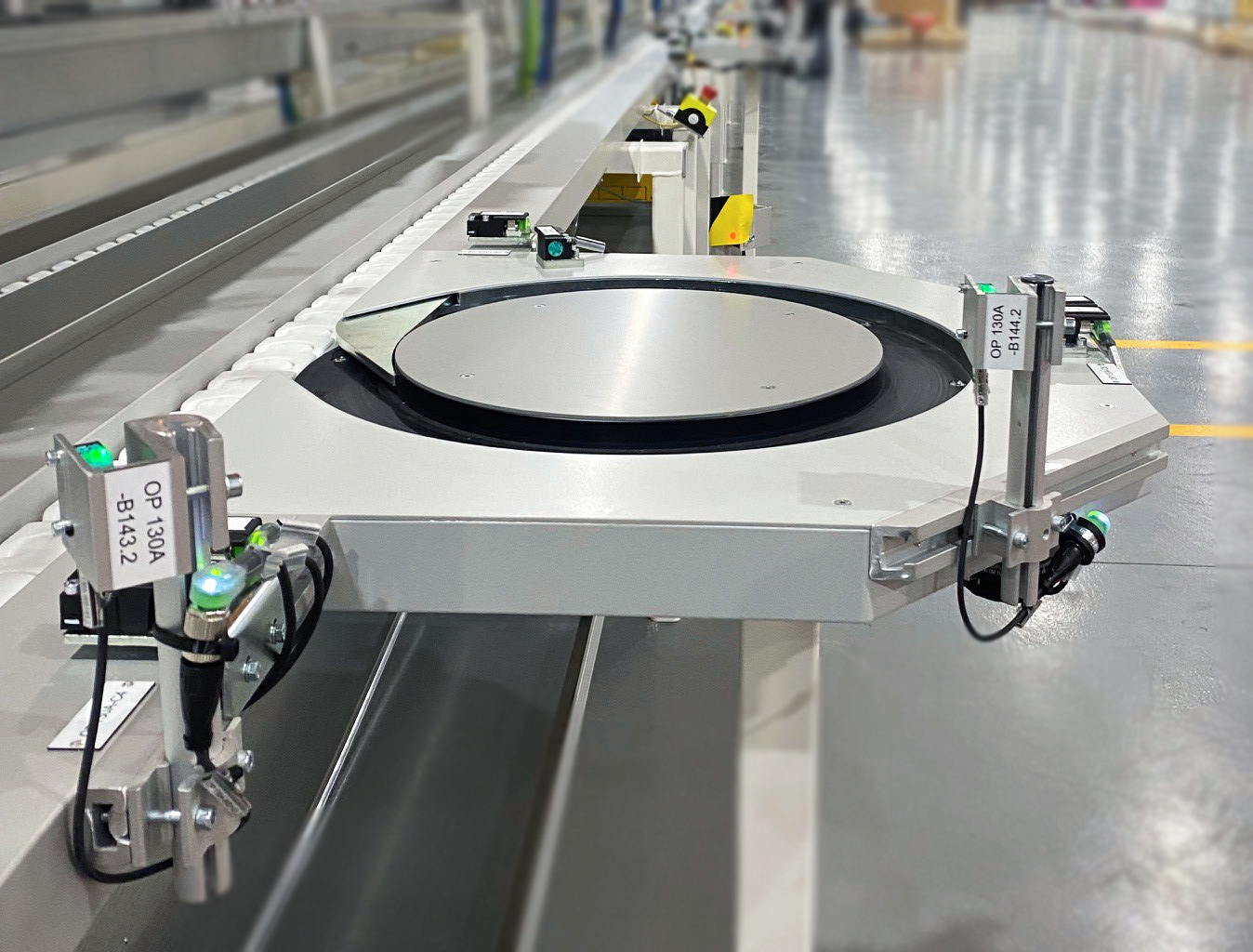
In today’s rapidly evolving automotive landscape, emerging markets are stepping into the spotlight with remarkable growth. Local manufacturers are seeking innovative strategies to remain competitive on a global scale. The introduction of advanced conveyor solutions is pivotal in achieving more efficient and sustainable production.
Emerging automotive markets around the world are witnessing significant growth as local manufacturers seek to compete on a global scale. The escalation in vehicle demand, coupled with increasing complexities in production lines, has prompted a need for innovative strategies. This article examines how advanced conveyor solutions, such as a pallet conveyor system, provide a practical path toward more efficient and sustainable automotive production.
Boosting Operational Efficiency
In many developing regions, automotive assembly processes traditionally rely on labor-intensive methods. By transitioning to automated solutions, manufacturers can achieve consistent throughput, reduce assembly time and maintain product quality. Employing a pallet conveyor system can streamline workflows: parts and subassemblies are moved quickly between stations, minimizing idle time. Moreover, this approach helps cut operational expenses by optimizing labor allocation and improving work ergonomics.
Conveyor systems play a crucial role in enhancing material flow within production facilities. They enable the movement of high volumes of parts seamlessly across various stages of assembly. As operations become more automated, companies can ensure that their production lines operate at peak efficiency with minimal human intervention.
The shift to smart automation not only improves productivity but also empowers manufacturers to meet increasing consumer demands swiftly. With technological advancements in industrial automation, facilities can leverage data analytics and predictive maintenance to further refine their processes. These improvements contribute significantly to the overall operational excellence of manufacturing plants.
Enhancing Sustainability and Worker Safety
Sustainability considerations are vital for factories seeking to comply with international regulations and environmental standards. Energy-efficient conveyor motors, coupled with thoughtful plant layouts, lead to lower power consumption and reduced carbon footprints. From a social standpoint, a safer workplace emerges when repetitive lifting and manual transport tasks are automated.
By integrating automated conveyor solutions, companies can protect workers from injuries and create better employment opportunities in regions aiming to expand their industrial capabilities. A focus on ergonomic design ensures that workspaces are not only efficient but also conducive to employee well-being. Such initiatives contribute to a culture of safety and sustainability in the workplace.
Moreover, the reduction of manual labor tasks allows workers to focus on more strategic roles within the organization. This shift not only enhances job satisfaction but also fosters skill development among employees, aligning with long-term growth objectives for both individuals and businesses.
Future outlook
As global demand for vehicles remains strong, emerging markets stand poised to contribute even more to the automotive sector. The adoption of new pallet conveyor systems is crucial for expanding the automotive industry, enabling local plants to match international efficiency standards while bolstering community development by creating stable jobs and fostering skill enhancement.
