





It used to be the case that many Android phones had bad Android skins. From Huawei, Oppo, Vivo, and even smartphone kingpin Samsung, it seemed like phone brands couldn’t resist turning stock Android into a visually unappealing, inconsistent, stuttering mess in the early years of Android.
Sure, many of these Android skins also introduced new features that have since become commonplace on all phones. But it still didn’t change the fact that these overlays were ugly and/or demanding on resources.
That was a long time ago though and all the major players appear to have stepped up their game when designing their customs skins. In fact, is there even such a thing as a bad Android skin today?
Read more: The history of Android OS: its name, origin and more
What makes an Android skin bad?
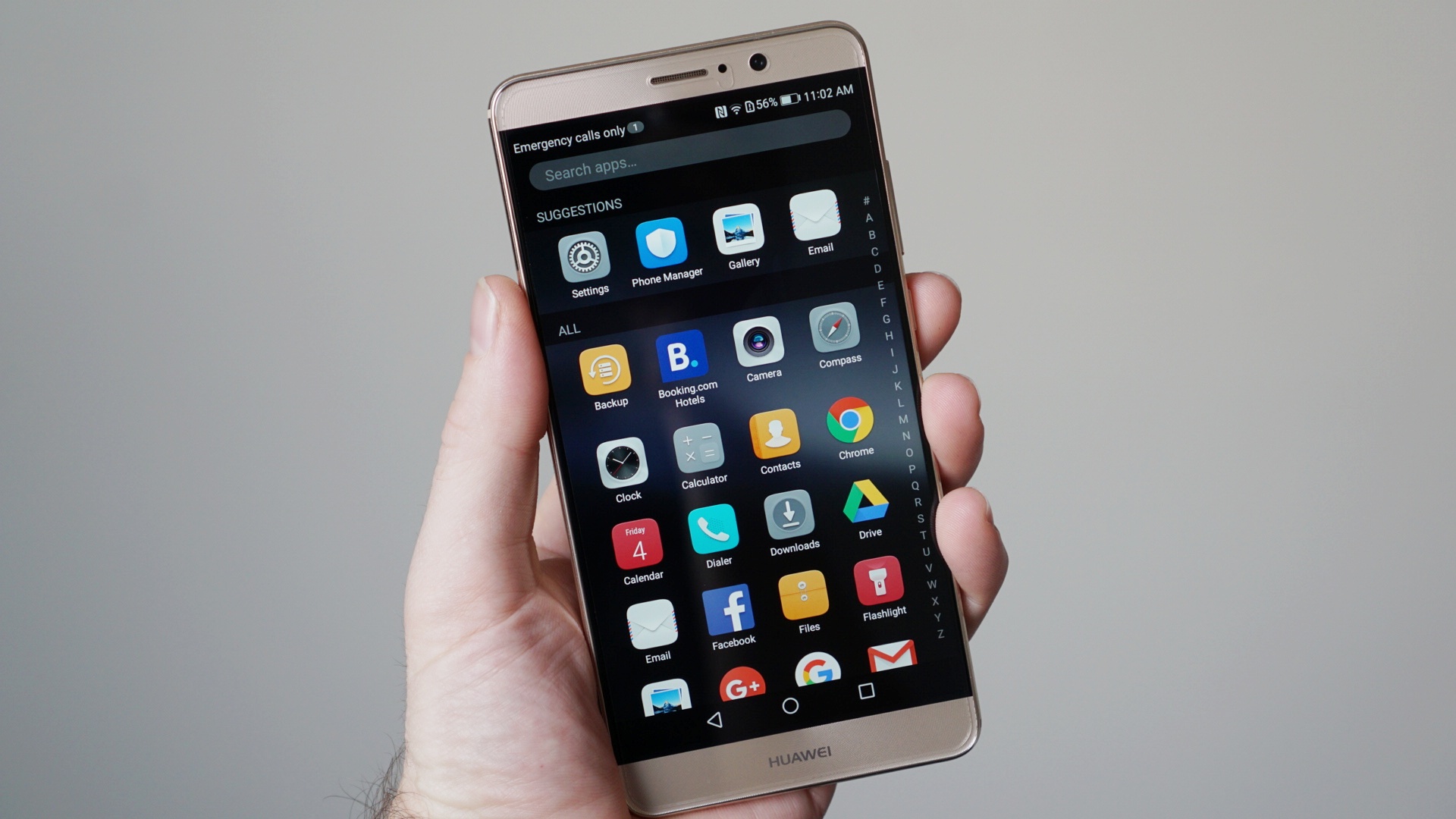
First off, what actually constitutes a bad Android skin? The arguments could rage forever, but based on the comments we get here at Android Authority the core factors seem to be visual appearance, the number (and quality) of features, tweaks made to the underlying system itself, and whether it’s resource-friendly. When judging by these metrics, there are several examples of Android skins in years gone by that could be considered bad or at least disappointing.
Samsung’s TouchWiz was the most ubiquitous Android experience for years, owing to the success of phones like the Galaxy S3 and more. Samsung tossed in a ton of features and gave it a distinct, nature-themed look, but many of these features were gimmicks and performance suffered in a big way. This was a persistent issue with early Galaxy phones until TouchWiz was replaced by Samsung Experience which debuted with the Galaxy S7.
Related: Worst to best: The Samsung Galaxy S series, ranked
Huawei’s EMUI was in a similar position in the early to mid-2010s, as it too offered plenty of features while neglecting performance. Huawei also tinkered with memory management in the name of better power consumption, but this often came at the expense of notifications and poor multitasking capabilities by default. Much like TouchWiz, phones running EMUI suffered from lag over time too.
Visual appearance, features, and performance are just a few of the important factors to consider when judging an Android skin.
Features and performance are often tied together, as you can see. Haphazardly cramming plenty of features onto a phone often eats into system resources such as RAM, storage, and more depending on the features.
Another example of heavy-handed changes comes from Oppo, as earlier versions of its ColorOS skin also offered aggressive RAM management that hobbled multitasking. These changes extended to only allowing you to swipe away notifications in one direction. Bizarre.
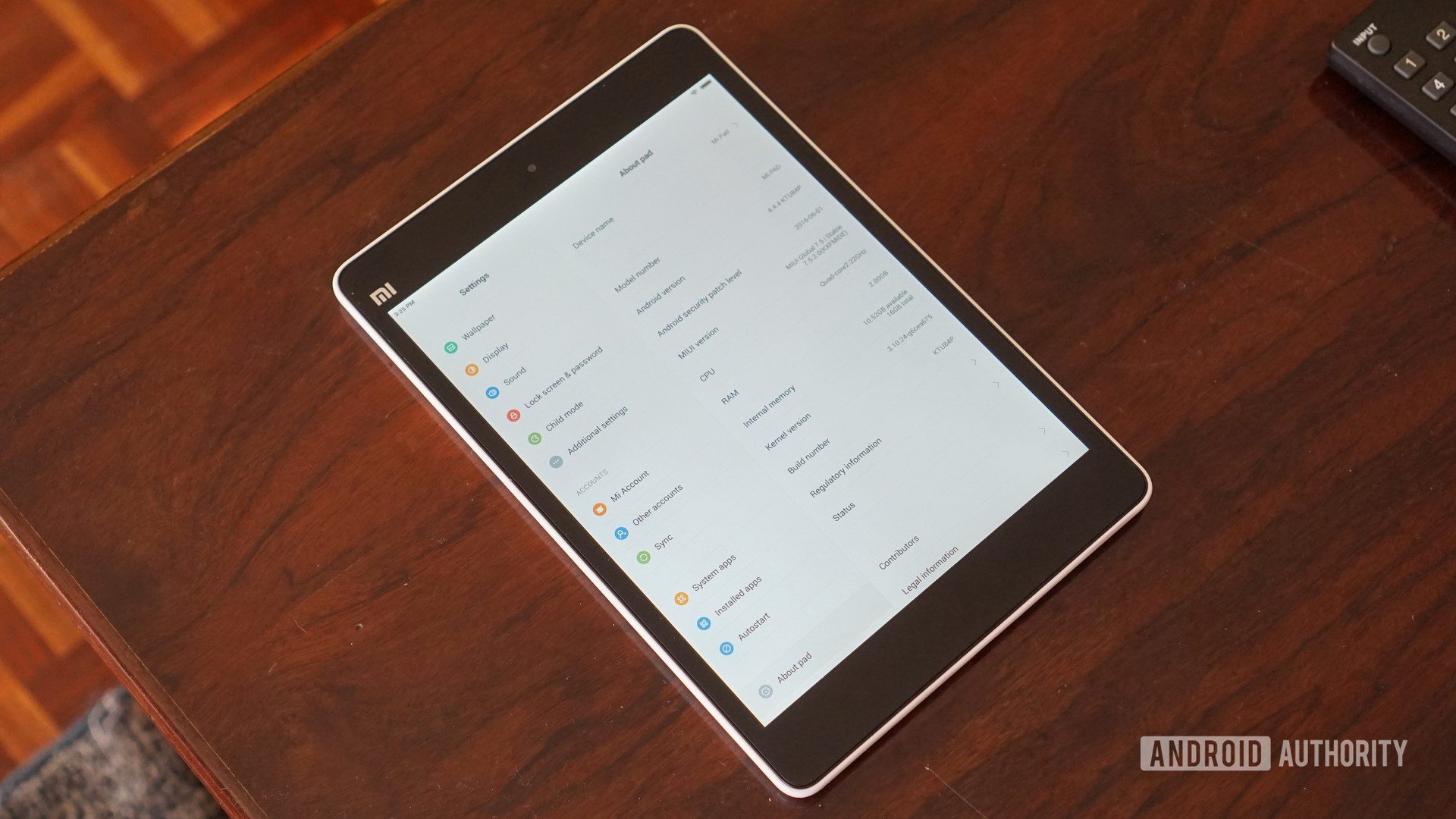
Even if you have plenty of features, keep performance in check, and preserve system behavior, that’s still not enough to avoid the label of being a bad Android skin. Take a look at early versions of MIUI as an example. Xiaomi’s skin initially lacked its own identity and looked like an iOS clone. This even boiled down to things like the settings menu being a close copy of Apple’s platform. Check out the first-generation Mi Pad running MIUI 7.5 below and tell me it doesn’t look like an iPad.
Contact Information:
Hadlee Simons
Tags:
, Wire, United States, English
Contact Information:
Hadlee Simons
