




VR company also announces sunset plans for older Go wireless headsets.
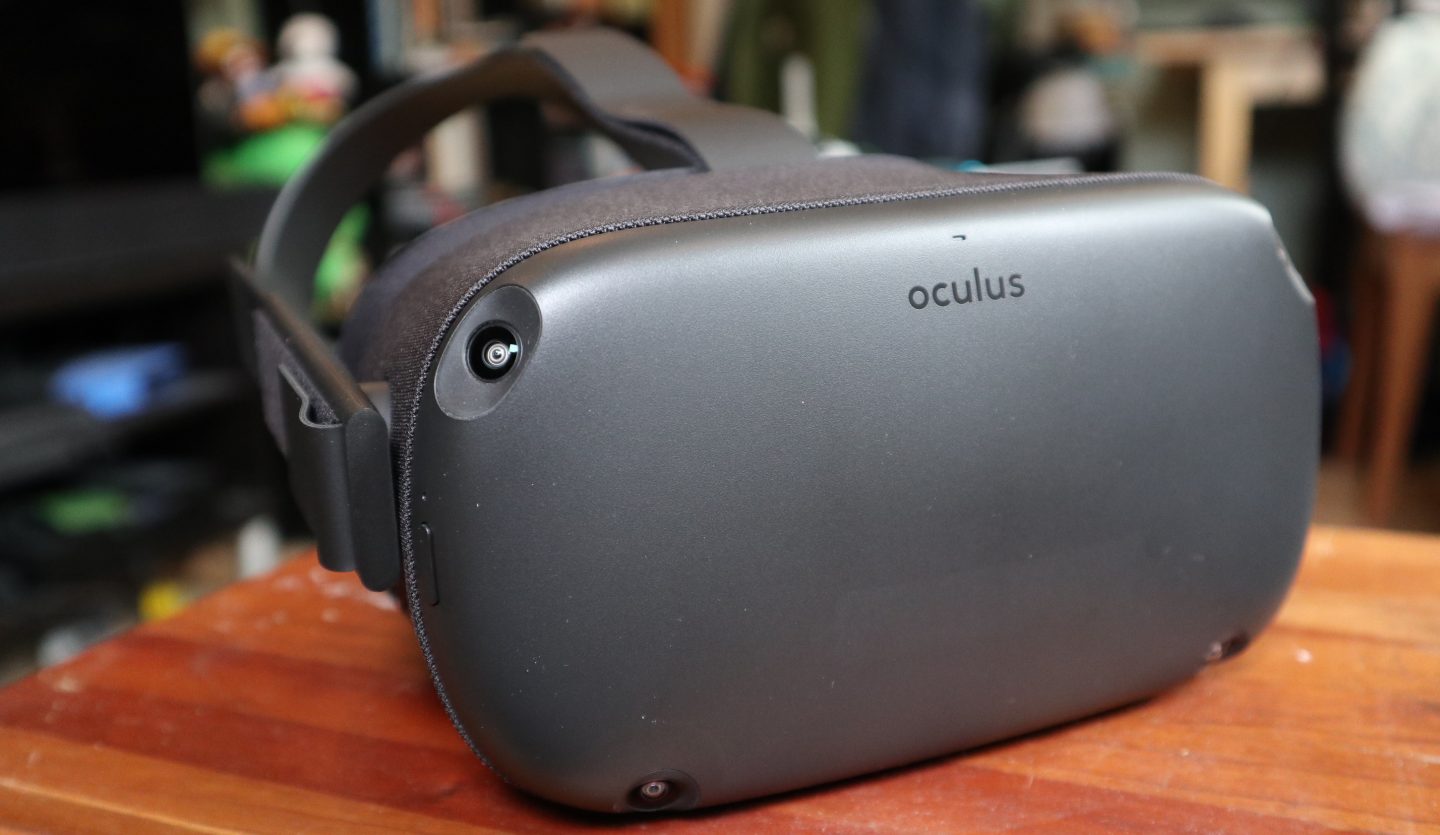


In a blog post today, Oculus says its console-like curation approach for Quest has been a success, highlighting over $100 million in Quest content sales in its first year. That same tight curation will still apply for the main Quest store going forward.
But Oculus now says it will also be adding “a new way for developers to distribute Quest apps” in early 2021. This new channel “will enable developers to share their apps to anyone with a Quest, without having to be accepted into the Oculus Store, and without the need for sideloading,” the company writes.
Currently, adding unapproved apps to a Quest headset requires setting the device to a less secure “Developer” mode and using a PC-based tool like SideQuest to transfer the necessary files. Oculus isn’t sharing many details about its new app distribution method, but the process sounds like it will be more streamlined for end users looking for a wider array of VR software.
While Quest apps in this new channel will still have to conform to Oculus’ general content policies (e.g., no pornography, no hate speech, no real-money gambling, etc.) Oculus writes that “apps distributed through this new channel won’t be held to the same technical standards as official Oculus Store apps.” That makes it ideal for developers who “want to share their apps as broadly as possible [or] test early-stage applications and distribute to specific users.”
Oculus’ move comes as Apple faces its own controversy and potential antitrust probes surrounding overly tight control of its iOS App Store.
“Go” bye-bye
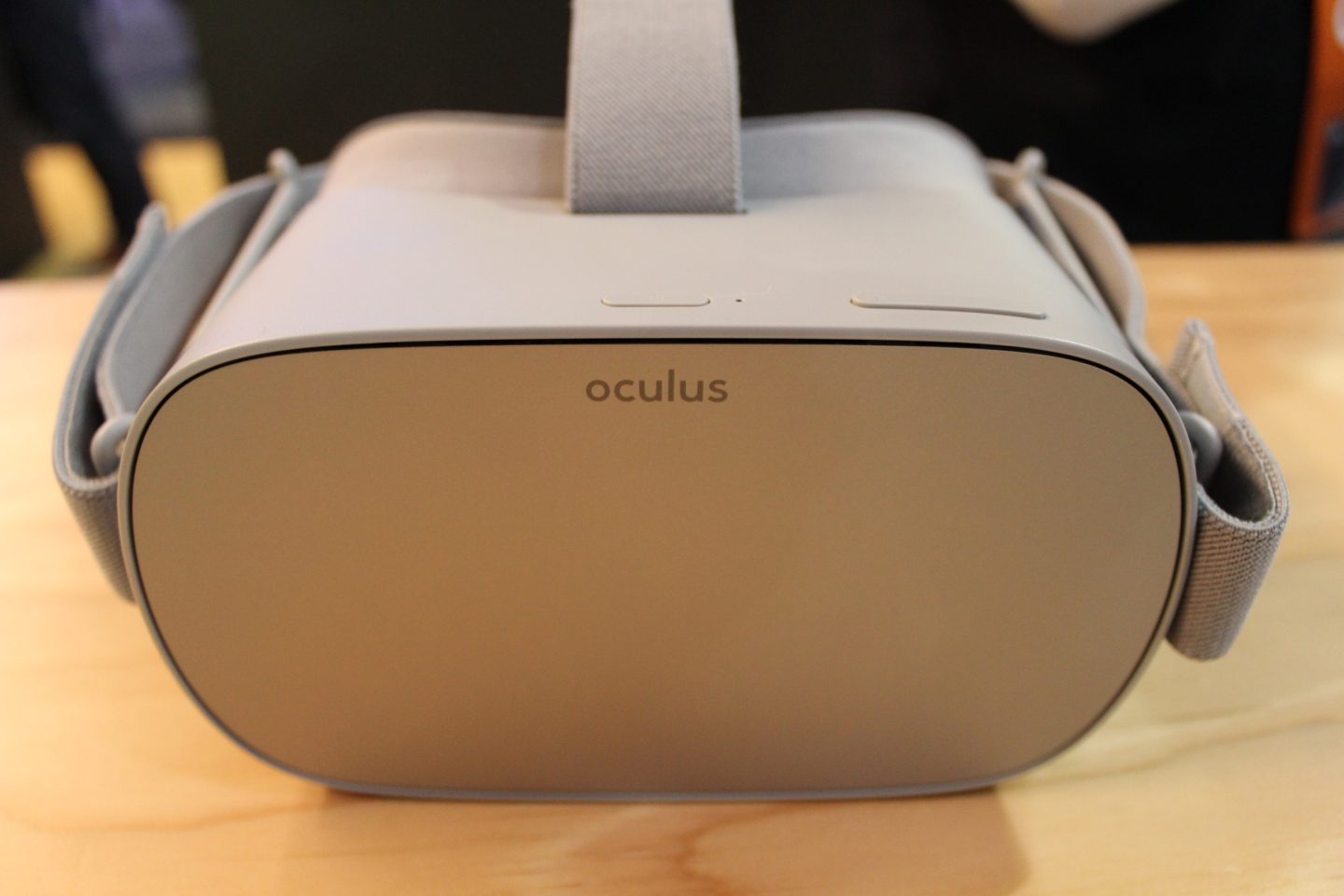




Alongside the expansion for Quest software, Oculus also today announced the end of support for its older Oculus Go hardware. The company now lists the Go headset as “no longer available” on its official website, and developers will no longer be able to submit new Go apps or updates to Oculus after December 4.
The self-contained Go headset—itself built as a replacement for the mobile phone-based Gear VR line—was the last Oculus product that didn’t feature support for hand-tracking controllers or head-tracking six-degree-of-freedom movement. Deprecating that hardware makes some sense for a company trying to make a clean break from the more limited, less capable hardware of the past.
At the same time, the budget-priced Go (only $149 for a 32GB version) was a great entry-level headset for users who wanted a VR experience that was still a step up from something like Google Cardboard. Cost-focused use cases like education, training, and museums will likely be forced to invest in the $400 Oculus Quest instead, even if they don’t need its expanded feature set.
Listing image by Sam Machkovech
Contact Information:
KYLE ORLAND
Tags:
, Wire, United States, English
Contact Information:
KYLE ORLAND
