



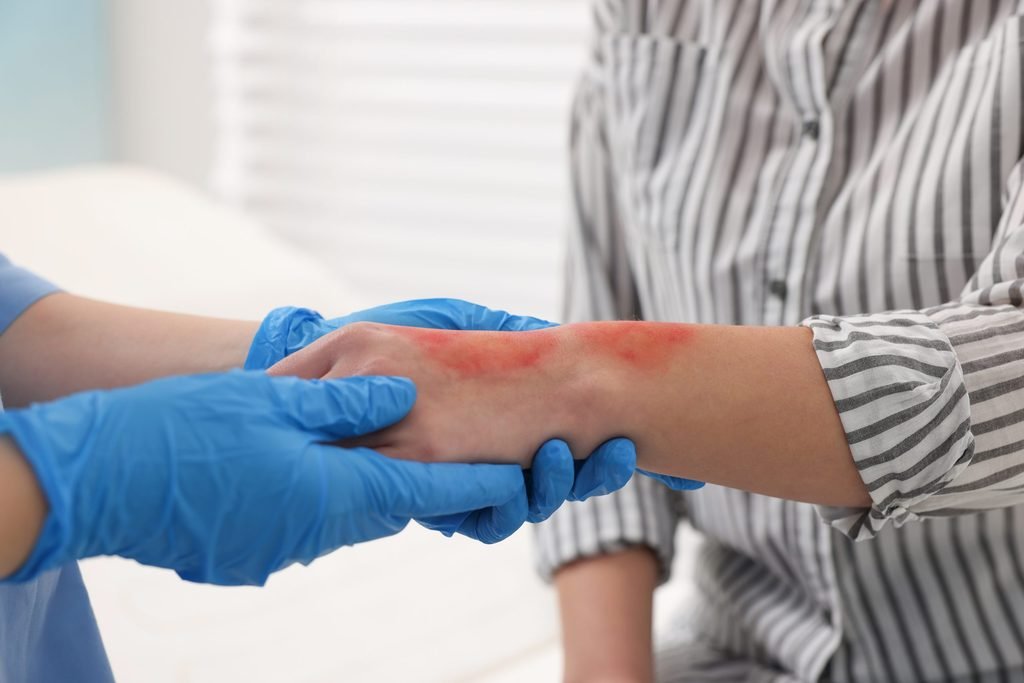
A workplace burn can happen in seconds, but its effects may last for months or permanently. In Washington, employees in manufacturing, food service, construction, healthcare, laboratories, and industrial maintenance may encounter hot equipment, steam, corrosive cleaning products, solvents, or other hazardous substances. Some injuries are immediately visible; others, particularly chemical burns, can continue damaging tissue after the initial exposure. Understanding how these incidents are treated under Washington’s workers’ compensation system helps employees recognize what to do, what benefits may be available, and why prompt documentation matters.
When a burn or chemical splash occurs while performing job duties, a Washington Workers’ Compensation case may help an injured employee obtain coverage for qualifying medical treatment and lost wages. The outcome depends on the circumstances of the incident, the medical evidence, and the applicable claim requirements. Employees do not generally need to prove that their employer was negligent to qualify for workers’ compensation benefits.
Common Types of Workplace Burn and Chemical Injuries
Workplace burns are not limited to direct contact with flames. Different sources of heat and hazardous substances can cause injuries with varying levels of severity.
Thermal and Electrical Burns
Thermal burns may result from contact with hot machinery, cooking surfaces, molten materials, steam, or open flames. Electrical burns can occur when current passes through the body, sometimes causing internal damage that is more serious than the visible skin injury suggests.
The depth of a burn matters. Superficial burns affect the outer skin, while deeper burns can damage underlying tissue, nerves, and muscles. Serious injuries may require specialized treatment, surgery, or rehabilitation.
Chemical Splash Injuries
Chemical burns occur when corrosive or irritating substances contact the skin or eyes. Common workplace sources include industrial cleaners, acids, alkalis, solvents, and certain manufacturing chemicals.
The severity depends on the substance, its concentration, the amount involved, and how long it remains in contact with the body. Some chemicals penetrate clothing or continue causing damage until they are removed or neutralized through appropriate treatment.
Immediate Steps After a Burn or Chemical Splash
Medical attention should take priority over workplace paperwork. For chemical exposure, employees should follow the product’s safety instructions and emergency procedures. Depending on the substance, this may involve immediately flushing the affected area with water, removing contaminated clothing, or using an appropriate eyewash station. Some chemicals require specialized handling, so workers should follow emergency guidance rather than improvising treatment.
For serious burns, eye exposure, electrical injuries, breathing difficulties, or extensive chemical contact, emergency medical assistance may be necessary. Employees should bring the product label or Safety Data Sheet (SDS) to medical personnel when it is safe and practical to do so.
Once immediate care is underway, workers should notify their employer and record relevant details, including:
- The date, time, and location of the incident
- The substance or equipment involved, if known
- How the exposure occurred
- Names of witnesses
- Photographs of the injury or workplace conditions, when appropriate
- Any available product labels or SDS information
These details can help medical providers understand the exposure and support the workers’ compensation claim.
What Washington Workers’ Compensation May Cover
Washington’s workers’ compensation system, administered by the Department of Labor & Industries (L&I) and certain self-insured employers, provides benefits for qualifying work-related injuries. Depending on the claim and medical circumstances, coverage may include:
Medical treatment: Authorized care may include emergency services, physician visits, medication, wound treatment, surgery, and rehabilitation.
Wage-replacement benefits: Employees who cannot work because of an accepted injury may qualify for time-loss compensation, subject to state requirements and benefit calculations.
Permanent impairment benefits: A worker with lasting damage may qualify for a permanent partial disability award if the medical and legal criteria are met.
Vocational support: When an injury prevents a return to the worker’s previous job, vocational services may be available in qualifying circumstances.
Not every expense or requested treatment is automatically covered. Eligibility, authorization, medical necessity, and the relationship between the injury and employment all matter.
Employer Safety Responsibilities and Injury Prevention
Employers have responsibilities under workplace safety rules to identify hazards and protect employees from foreseeable exposure. Depending on the workplace, appropriate precautions may include chemical labeling, accessible SDS documents, employee training, suitable gloves and protective clothing, eye and face protection, ventilation, eyewash facilities, and safe storage procedures.
Personal protective equipment must be appropriate for the specific chemical or heat hazard. A glove that protects against one substance may offer little protection against another. Employers should consult product safety information and applicable standards when selecting equipment.
Frequently Asked Questions
Can a chemical splash injury qualify for workers’ compensation?
Yes. If the exposure occurred in the course of employment and caused a qualifying injury, the employee may be eligible for benefits under Washington law.
What if symptoms appear hours after exposure?
Some chemical injuries develop or worsen over time. Employees should seek medical evaluation promptly, report the exposure, and document when symptoms first appeared.
Can an employee file a claim if protective equipment was provided?
Potentially. The availability of protective equipment does not automatically determine eligibility. The circumstances of the exposure and the medical evidence remain important.
Protecting Health and Understanding Claim Options
Burns and chemical splash injuries can disrupt a worker’s health, income, and ability to return to normal duties. Prompt medical care, accurate incident records, and an understanding of Washington’s claim procedures can help employees navigate the aftermath. For additional information about workplace injury claims, employees can visit Emery | Reddy or find the firm’s location on Google Maps.
