



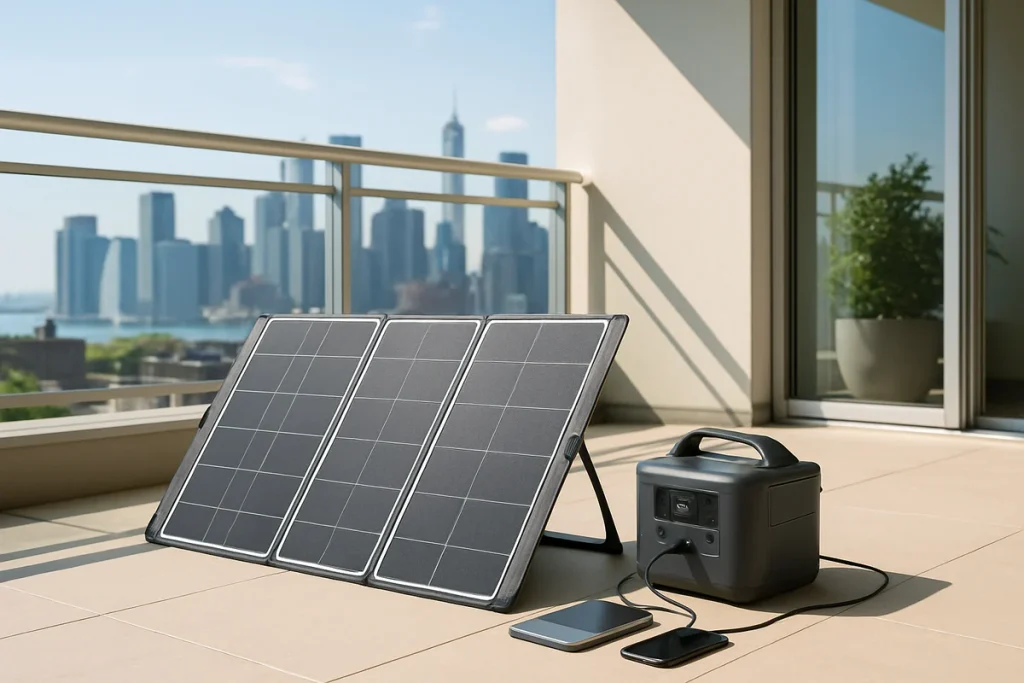
Reliable electricity has become essential for working outdoors, traveling, and managing everyday activities during power interruptions. Yet, access to a wall outlet is not always guaranteed. Campers, remote workers, homeowners, and outdoor enthusiasts often need a practical way to keep their devices charged without relying entirely on conventional electricity.
Portable solar technology offers one solution. By converting sunlight into usable electrical energy, compact solar panels help people generate power in locations where grid access is limited. With the right setup, users can charge compatible devices, support small appliances, and maintain access to essential electronics while spending time away from home.
Why Portable Solar Power Is Becoming Practical
Traditional generators provide electricity on demand but often require fuel, regular maintenance, and adequate ventilation. Portable solar systems offer a different approach. They collect energy from sunlight and operate without producing exhaust during use.
For travelers, this means fewer charging concerns during extended outdoor trips. Homeowners can also use solar equipment as part of a backup power plan, particularly when paired with a compatible battery station. The amount of electricity available depends on panel capacity, sunlight conditions, conversion losses, and the energy needs of connected devices.
Brands such as ZOUPW offer solar equipment for people exploring alternative power options. Before selecting a system, buyers should consider where they intend to use it, which devices they need to operate, and how much electricity those devices consume.
Choosing Panels for Different Activities
Not every solar setup suits every situation. A traveler charging a phone has different requirements from someone powering a laptop or replenishing a portable power station.
Portable panels are designed to make solar generation easier to transport and deploy. Some models fold into compact packages, while others provide larger surfaces for collecting more sunlight. Exploring available portable solar panels helps buyers compare options based on their expected use and available storage space.
Consider these common applications:
- Camping and hiking: Suitable panels help replenish compatible power banks, phones, lights, and other small electronics.
- Road trips: Travelers can use solar charging to reduce dependence on campsite electrical hookups when conditions permit.
- Remote work: A suitable panel and battery system can support laptops, communication devices, and other essential equipment.
- Home backup: Portable solar equipment can help recharge compatible batteries during outages, although performance depends on weather and system capacity.
Understanding Power Ratings Before Buying
A panel’s advertised wattage indicates its rated output under specified test conditions. It does not guarantee the same output throughout the day. Cloud cover, shading, panel angle, temperature, and the position of the sun all affect production.
For example, a 100-watt panel operating at its rated output for four hours would theoretically generate 400 watt-hours of electricity. Real-world production is often lower because sunlight varies and charging systems experience losses.
Buyers should also distinguish between watts and watt-hours. Watts measure the rate at which a device consumes or produces power. Watt-hours measure an amount of energy over time. A 50-watt device running for two hours consumes approximately 100 watt-hours, excluding additional system losses.
These calculations help determine whether a panel and battery combination will meet daily requirements.
Compatibility Matters as Much as Capacity
A solar panel alone does not automatically power every electronic device. Some panels connect directly to compatible electronics, while others work best with a portable power station or battery system.
Before purchasing, check connector types, supported input voltage, maximum charging current, and the power station’s solar input limits. Using incompatible equipment can prevent charging or damage components.
Battery capacity also matters. A larger battery stores more energy for nighttime use, but it takes longer to recharge if the panel produces limited power. Matching the panel’s output with the battery’s charging specifications helps create a balanced setup.
Getting Better Results From Sunlight
Simple adjustments often improve solar performance. Position the panel toward the strongest available sunlight, avoid shadows from trees or buildings, and reposition it as the sun moves. Keep the panel surface clean and follow the manufacturer’s instructions for safe operation.
Check weather forecasts before longer trips. Overcast conditions reduce output, so carrying a charged power bank or maintaining another backup option helps prevent interruptions. Avoid placing panels where people might trip over cables or where equipment could become unstable in strong winds.
Making a Practical Long-Term Choice
The best portable solar system is one that matches real energy needs rather than advertised output alone. Start by listing the devices you plan to charge, estimating their daily consumption, and deciding how much battery storage you require.
Compare panel capacity, portability, durability, connectors, and compatibility before making a decision. A smaller setup might suit occasional camping, while frequent remote work or emergency preparation could justify a larger panel and battery combination.
Portable solar power requires planning and favorable sunlight, but it offers a useful way to produce electricity away from traditional outlets. With realistic expectations and compatible equipment, users can build a flexible charging system for travel, outdoor activities, and selected home backup needs.
