



For two decades, the answer to “we need video but can’t afford a shoot” was the same: license stock footage. Pay for a clip of a smiling barista or a drone pass over a generic skyline, cut it together with your logo, and hope nobody notices the same barista smiling in a competitor’s ad. The stock libraries built a multibillion-dollar industry on that compromise.
That compromise is now losing its main constituency. The small advertisers who once had no alternative have found one in generative video, and the specific tool doing most of the replacing is not text-to-video spectacle but something more mundane: image to video AI, the kind that takes a company’s own product photos and turns them into short, usable motion clips.
The cost math explains the speed of the shift. A 2026 benchmark by Sovran put agency-produced video ads at $100 to $500 apiece and AI-generated equivalents at $1 to $5. SocialOperator’s comparison of stock-based commercial production found a typical eight-clip project costing $1,500 to $4,000 in licensing and assembly, against a generated alternative that costs less than lunch. Wyzowl’s long-running video marketing survey now has 63 percent of video marketers reporting they use AI tools in production, up from 51 percent a year earlier.
Why the photo beats the library
Stock footage always had a defect that price never fixed: it is footage of someone else’s product, someone else’s staff, someone else’s premises. A restaurant advertising with stock food shots is showing diners a meal it does not serve. For years that was accepted as the cost of affording video at all.
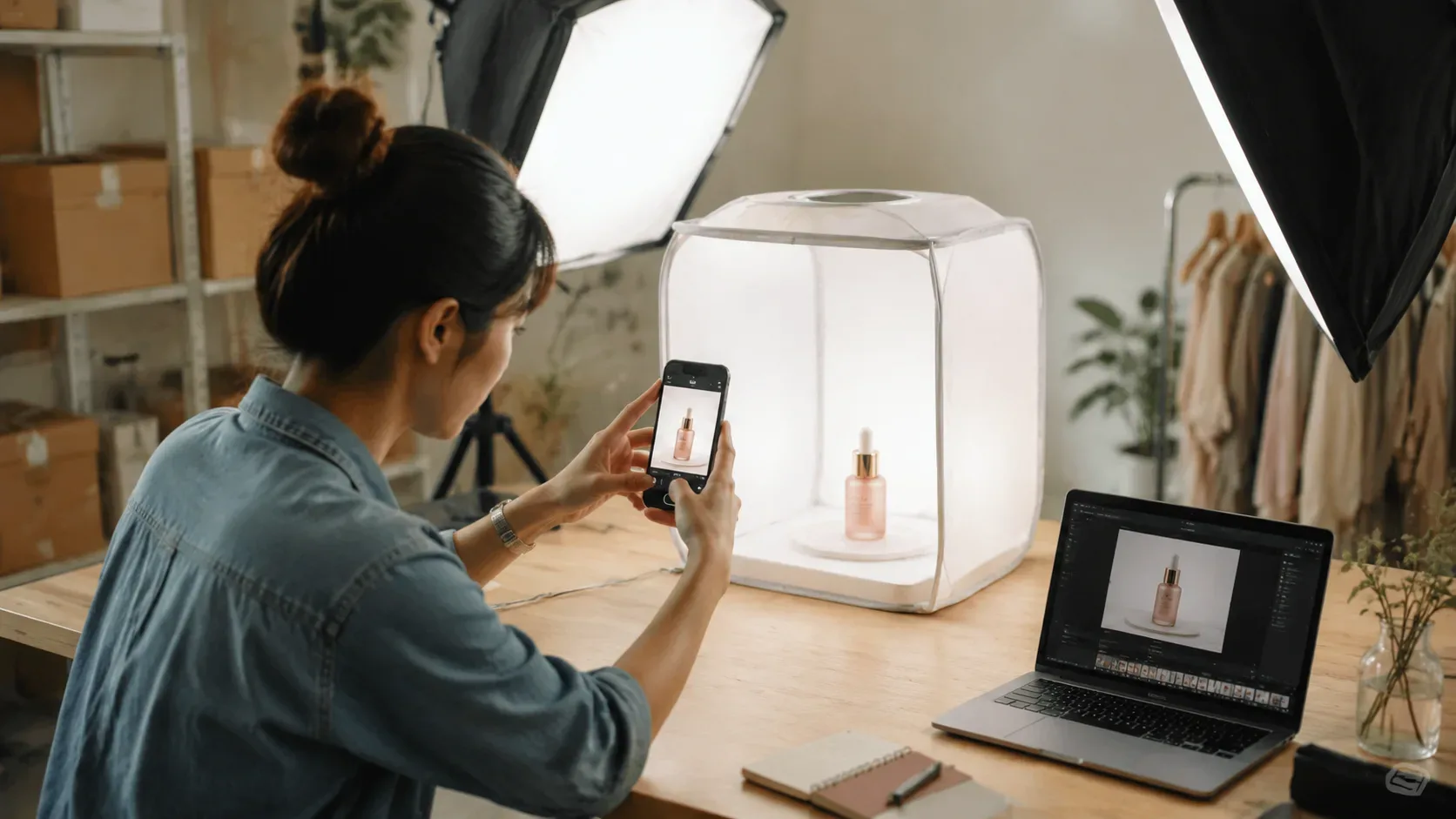
Image-to-video generation removes the tradeoff rather than discounting it. The input is a photo the business already owns, the actual dish, the actual storefront, the actual product on an actual shelf, and the output is that same authentic image with motion: steam rising, a slow camera push, fabric and light behaving the way they do on film. The result is specific to the advertiser in a way no library clip can be, because the source pixels are theirs.
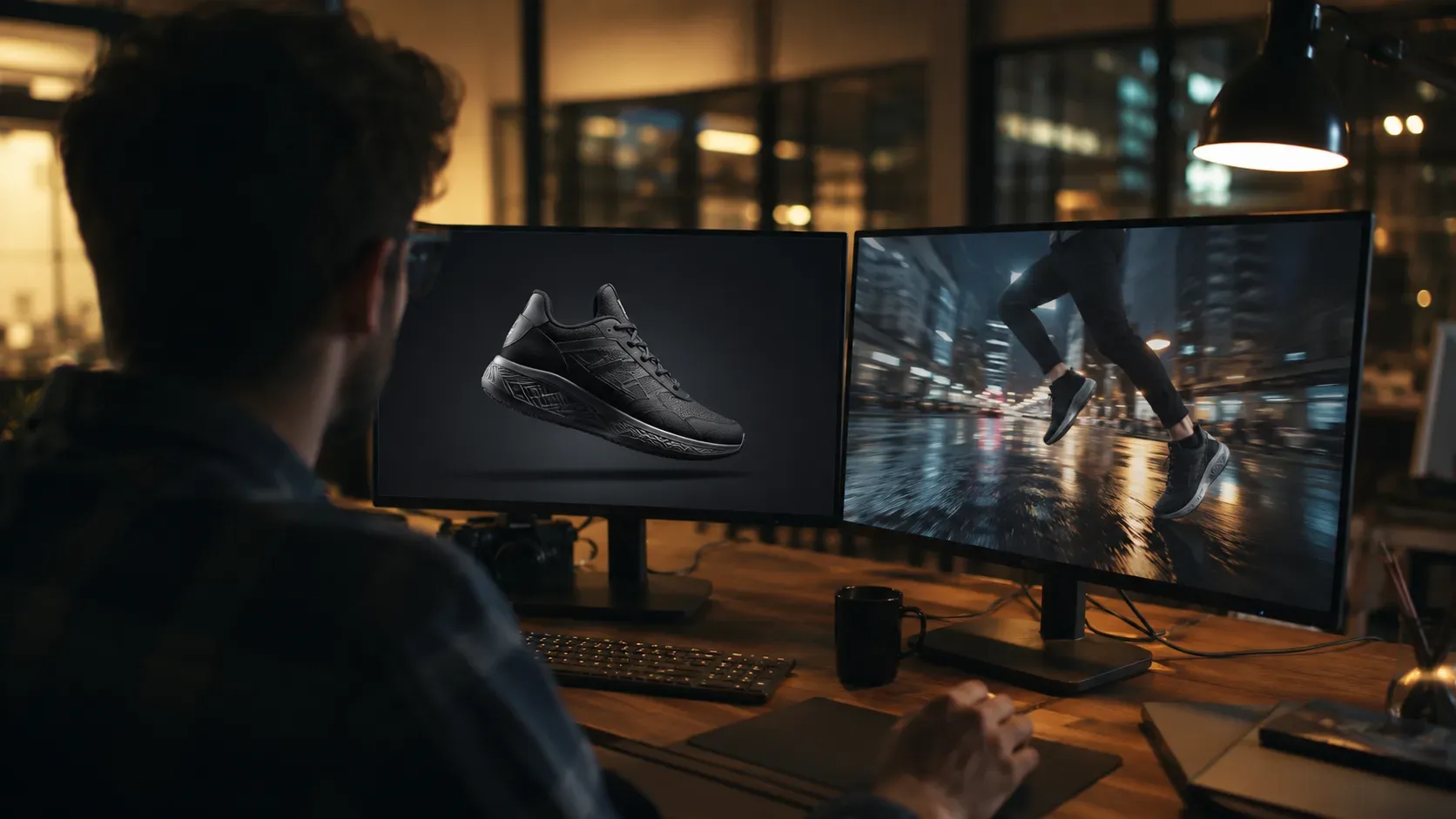
The workflow behind the buzzword is short. An image to video ai platform accepts an ordinary JPG, PNG, or WebP, takes a one-line description of the desired motion, and renders the clip through a choice of current models, Google’s Veo, Kling, Sora, Seedance and others, at 480p for drafts or 1080p for the version that ships. Marketers test the same product photo across two or three models and keep the most convincing take, a step that costs cents and replaces what used to be a reshoot.
The numbers behind the migration
Industry measurement has caught up with the anecdotes. Pictory’s 2026 statistics roundup reports AI tools cutting video production costs by as much as 91 percent and compressing production timelines by half or more. Kapwing’s aggregation puts the AI video market at $11.2 billion in 2025, growing at roughly 36 percent a year. Quantumrun’s research on adoption found AI video tool usage at about half of small businesses, and 68 percent among small and medium enterprises, with affordability cited as the main driver.
The stock industry is not standing still; the major libraries have begun bundling their own generative features. But the structural problem is that their historical product, generic footage licensed to many buyers, was a workaround for production costs that no longer exist at the low end. When a boutique can animate its own photography for pocket change, the licensed skyline loses its reason to be in the edit.
Where stock footage keeps its ground
The migration has limits worth stating plainly.
Editorial and documentary contexts still need real footage of real events; no responsible publisher generates news imagery. Large-scale brand campaigns still shoot, because a filmed narrative with actors and locations remains beyond what short generated clips assemble into. And certain subjects stay difficult for generation: legible on-screen text warps, complex hand movements glitch, and precise brand-color fidelity can drift between frames, which matters when a logo is on screen.
There is also a competence floor. Generated clips run four to ten seconds natively, so campaigns are planned as sequences of short shots rather than continuous takes. Teams that treat the tools as a magic long-form camera get disappointed; teams that storyboard in five-second beats, the way short-form feeds are actually consumed, get results that pass casual inspection.
What this means for the small advertiser
The practical playbook emerging among small marketing teams looks like this: shoot good product photography once, treat that photo library as the raw footage archive, and generate motion from it on demand, per platform, per campaign, per season. The same photo becomes a vertical clip for Reels, a square cut for a feed, a subtle loop for a landing page header, each generated in minutes and regenerated as models improve.
That inverts the old budget structure. Photography, once the cheap sibling of video, becomes the primary asset investment, and video becomes nearly free downstream of it. For businesses that spent years choosing between authentic-but-static and moving-but-generic, the choice has quietly disappeared.
A concrete example of the scale involved: a specialty coffee roaster with forty product photos effectively holds forty potential video ads, each testable in multiple motion treatments for less than the cost of one licensed stock clip. If three variants are generated per photo and the losers are discarded at draft resolution, the entire testing program costs less than a single day of a videographer’s time. That arithmetic is why adoption is spreading bottom-up through businesses that never had a video line item, rather than top-down from brands that did.
The knock-on effect lands on agencies serving that tier. Several small agencies now quote “motion packages” built entirely from client photo libraries, with the shoot day removed from the estimate. The deliverable list looks the same as it did in 2023; the production line behind it does not.
Frequently asked questions
Is AI-generated ad video allowed on the major platforms?
Yes. Meta, TikTok, and Google accept generated creative under the same policies as filmed content, with disclosure rules mainly around political and sensitive categories. Standard product marketing is unaffected.
Does generated video actually perform?
SocialOperator’s 2026 comparison found generated clips typically outperforming stock footage on paid social, which follows intuition: audiences respond to seeing the actual product move rather than a licensed stand-in.
What do the tools cost?
Credit-based pricing dominates, working out to well under a dollar per short clip and a few dollars per finished, full-resolution ad variant. Drafting at low resolution keeps testing costs near zero.
Can it replace a brand’s hero campaign?
Not yet. Multi-scene narratives with consistent characters remain film territory. The replacement is happening in the volume tier: the everyday product clips, promos, and seasonal variants that used to be stock’s core market.
The quiet end of the compromise
Stock footage will survive where it was always strongest: scale, editorial, and the subjects nobody can photograph themselves. What is ending is its role as the default video budget hack for small advertisers. That job has been taken by the photos those advertisers already had, and by tools that ask nothing more of them than a sentence describing how the picture should move.
The barista in the library clip can finally retire. The businesses that licensed her smile for twenty years are animating their own.
