



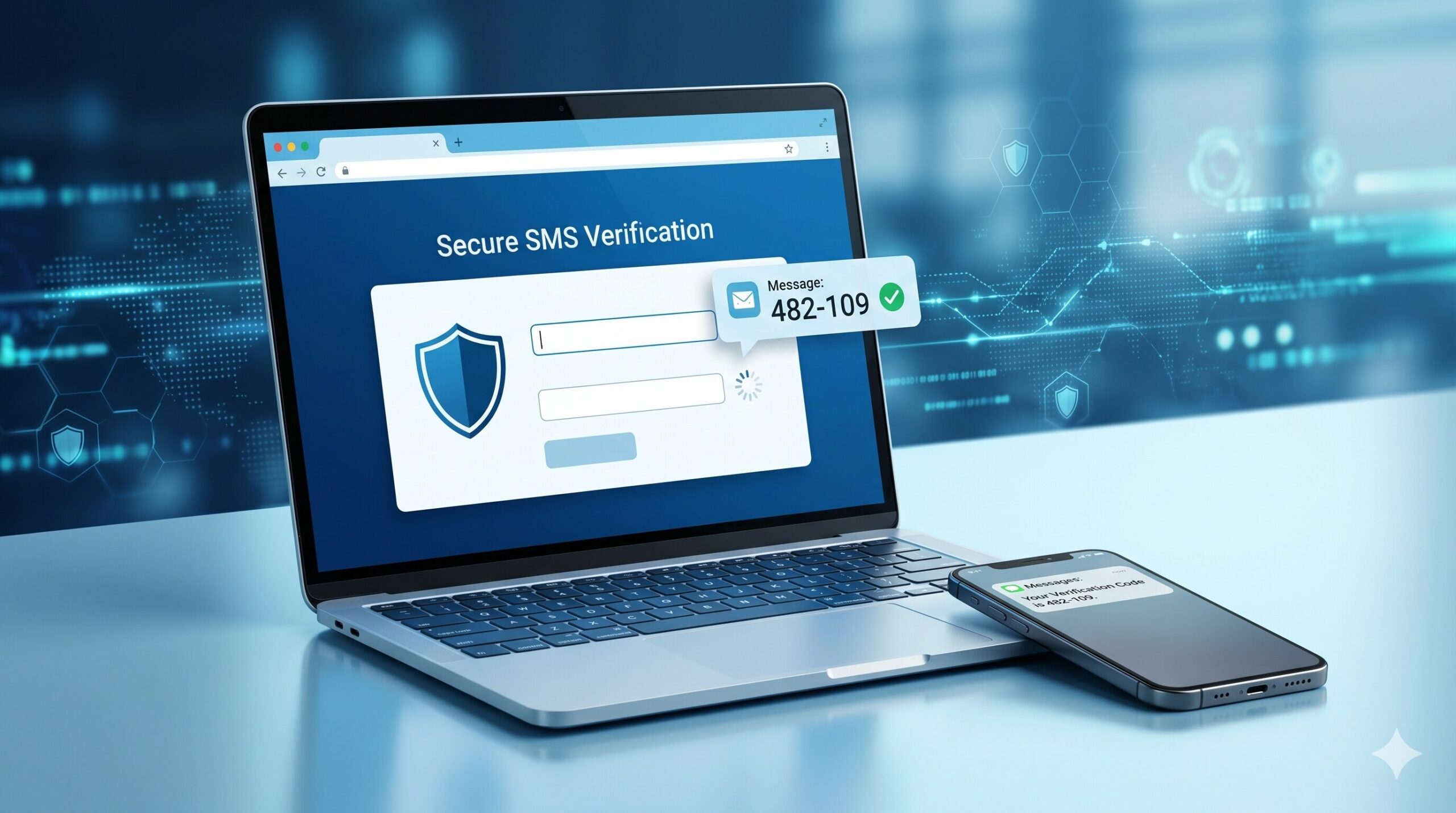
New York, USA – Today, internet users globally are utilizing platforms like receive-smss.com to obtain a temp number and receive sms online. This practice allows individuals to complete low-risk SMS confirmations while keeping a primary personal number private. The shift in behavior occurs as personal mobile numbers are increasingly used by data brokers and marketers to link online accounts, physical locations, and shopping habits into single profiles. By using disposable numbers, individuals aim to manage digital privacy, which can help reduce promotional SMS spam reaching a primary device.
A temp number is a cloud-based phone number designed to intercept incoming text messages. Unlike physical SIM cards, these numbers operate on servers and route communications through web interfaces. When a verification code is sent to one of these numbers, the server captures the message and displays it on a dashboard. This allows an individual to verify an account without tying the registration to a physical identity, billing address, or cellular provider. It functions strictly as a buffer between private data and internet platforms.
Marketers highly value direct SMS access because most individuals retain the same mobile number for a decade or more and check text messages within minutes. In contrast, email addresses are frequently abandoned or managed with strict spam filters. Phone numbers often serve as an index to cross-reference user profiles across multiple databases, especially when applications sell user data.
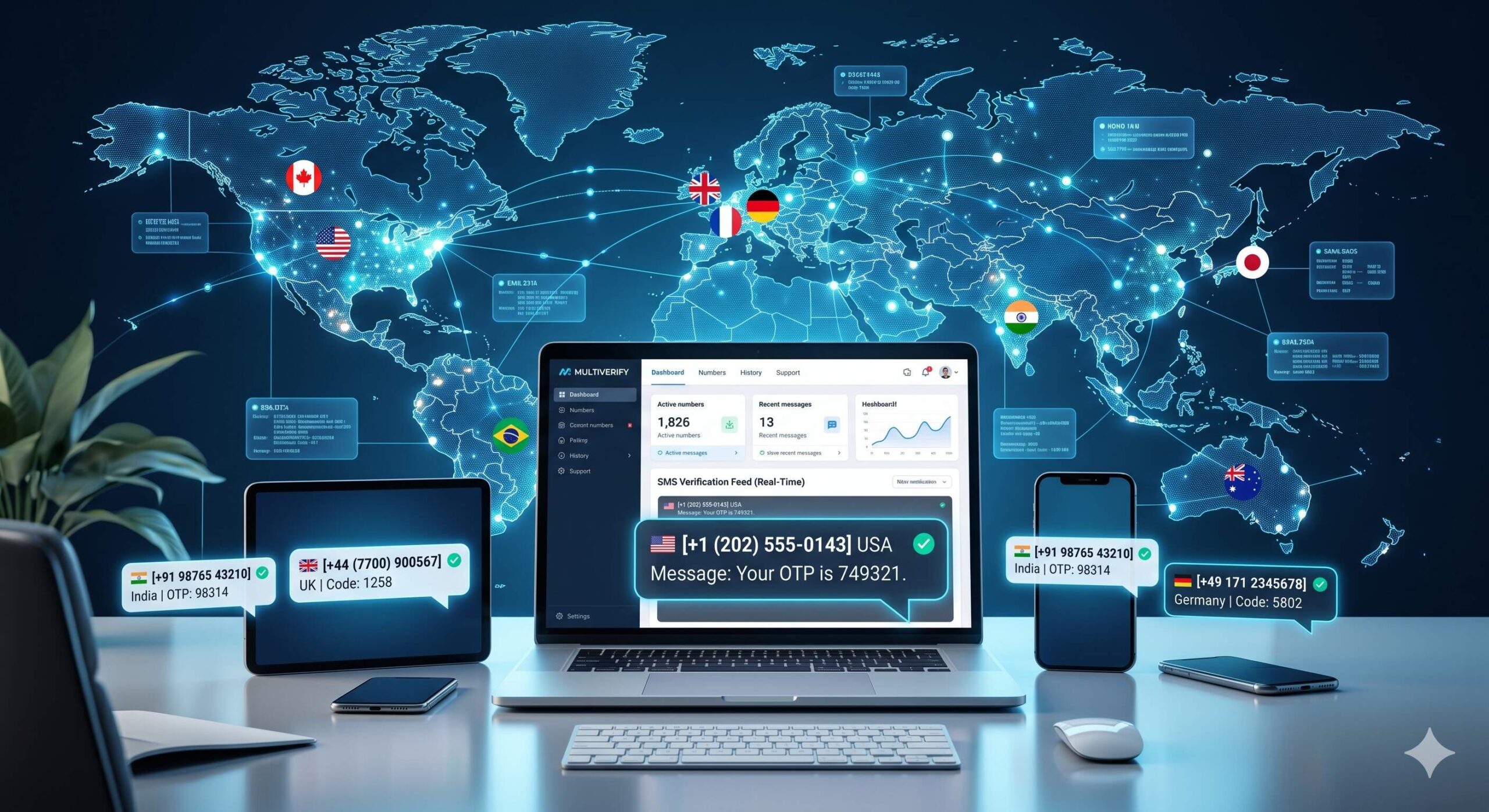
Geographical limitations present obstacles when transit apps or digital services restrict access based on foreign country codes or limit access to residents of specific countries like the US, UK, or Canada. Platforms maintaining pools of numbers from various countries enable users to select a region-specific temporary phone number. This setup allows users to manage SMS verification across different regions without needing international SIM cards or roaming.
Utilizing a web-based portal to receive sms online guarantees the elimination of promotional SMS spam to a primary device. Furthermore, keeping a primary number off public databases reduces exposure to SMS phishing, or “smishing,” where malicious actors send links posing as banks or postal services. Cloud-based SMS directories also operate without requiring user registration, personal details, or monthly fees, unlike traditional burner SIM cards.
Temporary numbers are frequently used for verifying online classifieds and marketplace accounts to prevent automated data collection bots from gathering contact information. They are also utilized on dating applications to maintain personal safety before trust is established. Additionally, consumers use them to secure one-time ecommerce discounts without receiving subsequent promotional texts. For software developers, web-based SMS receivers provide a method to rapidly test authentication gateways across global carriers without risking carrier flags on personal devices.
Public directory sites display incoming messages to all visitors. Consequently, security best practices dictate that public temporary phone numbers should never be used for sensitive accounts. Services such as primary bank accounts, main email addresses, medical portals, and government services should remain tied to secure, private numbers. Using a public number for such services introduces the risk of subsequent users requesting password resets and intercepting verification codes. Temporary numbers are intended solely for ephemeral verifications like newsletters, WiFi access, coupons, and forum registrations.
About Receive-SMSS
Receive-SMSS is a digital telecommunications directory providing temporary phone numbers for global users. The platform enables individuals, developers, and quality assurance testers to manage online SMS verifications across different regions without needing international SIM cards or roaming.
