



Solar generators are rapidly becoming indispensable tools in emergency preparedness plans. They offer a reliable and sustainable source of power when traditional electricity grids fail you. As natural disasters and power outages become more frequent, having a dependable alternative power source is crucial. Solar generators use the sun’s energy, making them accessible and efficient. Unlike gas generators, they produce no emissions, operate quietly, and can be used indoors without safety concerns. This blog will explore why solar generators are superior for emergency situations, the advantages they offer, and why models like EcoFlow’s DELTA and RIVER series are setting benchmarks in this category.
Benefits of Using Solar Generators in Emergency Situations
Independence from the Grid
Solar generators provide independence from the traditional power grid, valuable in emergencies when regular power sources are disrupted. By harnessing solar energy, these generators offer a self-sustaining solution, maintaining functionality without depending on external fuel supplies. Their ability to operate independently ensures users can power essential devices and appliances without interruption, offering peace of mind when conventional systems fail. The reliance on solar panels means that as long as the sun is shining, power is readily available. This technology provides a crucial layer of preparedness, letting families and communities run vital equipment through crises.
Safe and Clean Energy Source
Safety is paramount during emergencies, and solar generators excel here by offering a clean and renewable energy source. Unlike gas generators that emit harmful fumes, solar generators use photovoltaic technology, ensuring zero emissions. This feature enables safe indoor use, crucial for maintaining health when weather conditions lock you inside. The absence of combustion and noise pollution also reduces risks associated with traditional generators, such as fires and hearing damage. By choosing solar generators, users prioritize their well-being and environmental sustainability. During emergencies, ensuring safe energy access without compromising health or contributing to pollution is vital.
Key Features That Enhance Emergency Preparedness
Portability and Easy Setup
Solar generators are designed with portability in mind, allowing users to transport them effortlessly wherever needed. This feature is particularly advantageous during emergencies when quick relocation may be necessary. Their compact and lightweight design facilitates easy setup, enabling users to deploy power solutions swiftly. Setting up solar panels is straightforward, requiring minimal effort to start harnessing energy. The portable nature ensures that households can maintain power supply regardless of location changes. Using solar generators minimizes downtime, ensuring preparedness measures can be enacted swiftly and effectively when crises strike.
Fast Recharging and Versatile Inputs
The recharging capabilities of solar generators are noteworthy, providing fast energy replenishment essential during prolonged emergencies. They come equipped with versatile input options, allowing them to harness power from various sources, including direct sunlight, car chargers, and AC outlets. Such versatility ensures that recharging is feasible even under suboptimal solar conditions, offering a reliable energy reservoir. The ability to quickly recharge means users are less likely to experience long periods without power. This feature enhances their readiness to face extended power outages and maintains a steady supply to power critical devices and appliances.
Comparing Solar Generators vs. Gas Generators
Noise, Emissions, and Indoor Safety
Gas generators, while effective, come with drawbacks that solar generators sidestep. Notably, they generate noise and toxic emissions, making indoor use hazardous. The combustion engine in gas generators is loud, which can be disruptive and risky in enclosed spaces. Solar generators, in contrast, operate silently and emit no pollutants, allowing safe indoor use without endangering health. These characteristics make solar generators ideal for emergency use when maintaining a safe environment is crucial. Opting for solar means you can use essential power indoors with peace of mind, without the noise or air quality issues associated with gas alternatives.
Fuel Availability and Long-Term Use
Gas generators require a consistent fuel supply, which can be problematic during widespread emergencies when gasoline is scarce. Solar generators eliminate this issue by making use of sunlight, a freely available resource. Their operation is not contingent on fuel availability, making them more reliable long-term solutions. This independence from volatile fuel markets ensures users can maintain power access irrespective of external conditions. As sunlight is abundant and predictable, relying on solar generators enhances sustainability and preparedness. In emergencies, having a dependable power source that isn’t compromised by fuel shortages is a strategic advantage.

Real-World Emergency Use Cases
Powering Critical Home Appliances
During emergencies, maintaining functionality of critical home appliances is essential. Solar generators can efficiently power items like refrigerators, medical equipment, and communication devices. Their capability ensures prolonged usability of appliances that are vital for health and safety. By supplying consistent energy to these devices, solar generators help preserve food, maintain communication lines, and operate necessary medical machines. These use cases highlight the practical applications of solar generators in real-world scenarios. Opting for solar ensures households remain functional and secure, even when traditional power infrastructures are compromised.
Staying Connected During Blackouts
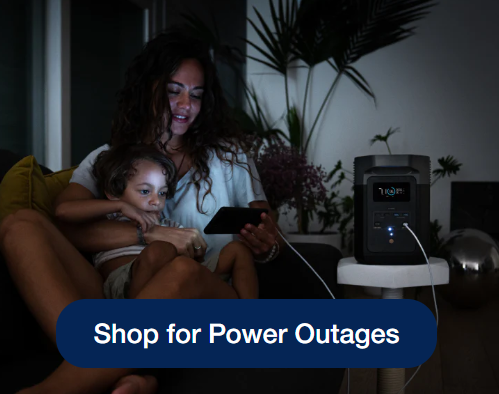
Staying connected during blackouts is crucial for communication with loved ones and accessing emergency services. Solar generators support this by powering mobile devices, radios, and internet routers, ensuring connectivity is maintained. This function is invaluable for receiving real-time updates and coordinating relief efforts. With their ability to power communication devices independently, solar generators mitigate isolation risks during power outages. This connectivity ensures families can stay informed and connected in crisis situations, enhancing safety and facilitating effective decision-making. Solar generators bridge gaps in communication when standard power fails, keeping lines open and operational.
Choosing the Right Solar Generator for Emergencies
Important Specs to Consider
When selecting a solar generator for emergencies, consider key specifications such as battery capacity, charge time, and output options. Battery capacity determines the total energy storage, influencing how long the generator can power devices. Charge time affects how quickly the generator can be replenished, crucial for maintaining continuous operation. Output options ensure compatibility with various appliances, providing versatility in emergency scenarios. Evaluating these specs helps choose models that meet specific needs, ensuring reliability and efficiency. Carefully assessing these factors aids in finding a solar generator that offers optimal performance and preparedness.
Why EcoFlow DELTA and RIVER Series Stand Out
EcoFlow’s DELTA and RIVER series exemplify top-tier solar generator offerings, designed to excel in emergency conditions. The DELTA series boasts large capacity batteries, rapid recharging times, and multiple output options, making them versatile and reliable. RIVER models are compact and highly portable, providing flexibility and ease in deployment. Both series prioritize efficiency, durability, and advanced technology solutions. EcoFlow’s generators reduce downtime and maximize readiness during emergencies. Their strong performance and user-friendly design make them standout choices for those seeking robust emergency power solutions, ensuring peace of mind when grid systems falter.
Conclusion
Solar generators, with their eco-friendly operation, portability, and reliable power supply, emerge as indispensable tools for emergencies. They provide independence from traditional systems, safe indoor use, and easy setup, making them practical for diverse scenarios. By comparing solar to gas alternatives, the advantages of solar’s noise-free and non-toxic operation become clear. Users can maintain power continuity, connectivity, and safety effectively. Models like EcoFlow’s highlight the technology’s potential, ensuring optimal preparedness. Investing in solar generators fosters resilience and confidence during power outages, safeguarding homes and lives when unexpected crises arise.
