



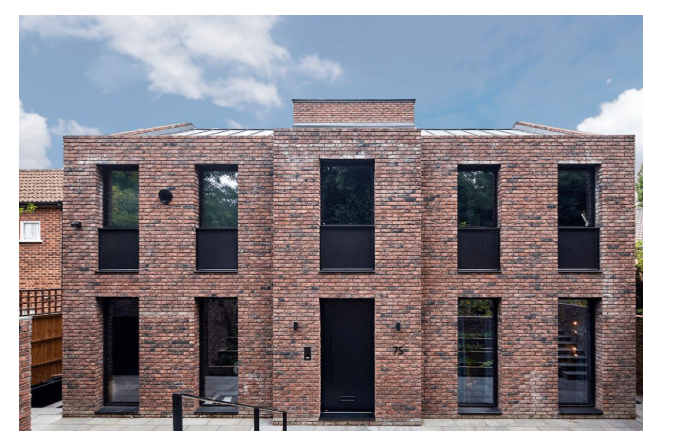
The architectural landscape in the UK is a beautiful blend of old and new, where centuries-old heritage meets cutting-edge design. Nowhere is this more evident than in the works of architects based in London and Hampshire, two regions known for their rich history and vibrant cultural identities. London, as a global city, is the epitome of modernity, while Hampshire, with its rolling countryside and historical landmarks, is steeped in tradition. However, architects in London & Hampshire have found a unique way to marry these contrasting elements, combining the charm of history with the excitement of modern architecture. This dynamic fusion is shaping the future of British architecture.
A Deep Appreciation of History
London is home to some of the most iconic architectural landmarks in the world, from the Tower of London to the Houses of Parliament. Hampshire, with its medieval towns, historic castles, and Georgian manor houses, carries a sense of timelessness. For architects working in these regions, the challenge is how to respect and integrate the weight of history without sacrificing the potential for innovative, forward-thinking designs.
One of the key ways that London and Hampshire architects merge tradition with innovation is through adaptive reuse. Adaptive reuse involves transforming existing structures for new purposes while preserving their historical essence. This practice is particularly prominent in London, where many old industrial buildings, warehouses, and churches are being transformed into modern offices, apartments, or cultural spaces. By retaining the original facade, architects are able to preserve the character of the building while introducing modern elements like glass, steel, and sustainable technologies.
A good example of this approach is the redevelopment of the Tate Modern in London, originally a power station. The conversion preserved much of the building’s original industrial aesthetic while incorporating modern design elements, creating a striking contrast that highlights the old and the new. Architects in Hampshire, too, are embracing adaptive reuse, transforming barns, old mills, and even churches into luxury homes or commercial spaces, maintaining the integrity of the original design while incorporating contemporary features like open-plan living and eco-friendly materials.
Innovations in Sustainability
Another key aspect where tradition meets innovation in the work of London and Hampshire architects is sustainability. In today’s world, environmental concerns are at the forefront of architectural design. Architects in both regions are incorporating modern, sustainable practices into their designs, balancing new technologies with a deep respect for the historical context in which they work.
In Hampshire, which is home to several Areas of Outstanding Natural Beauty, architects face a particular challenge: how to create modern buildings that respect the landscape while minimizing their environmental impact. By using natural materials like timber, stone, and brick—materials that have stood the test of time—architects create homes and structures that blend seamlessly into the natural surroundings. At the same time, they incorporate modern, sustainable technologies such as green roofs, solar panels, and high-performance insulation to ensure that the buildings are energy-efficient and have minimal impact on the environment.
London, as a major metropolitan city, also has a significant focus on sustainable architecture. The city’s architects are embracing innovative techniques such as passive house design, which maximizes energy efficiency by using high-performance building envelopes, and smart home technology, which allows buildings to operate with minimal energy consumption. The Shard, London’s tallest building, is a great example of how modern skyscrapers can incorporate sustainability into their design. Despite its sleek and futuristic appearance, the building includes energy-efficient features like triple-glazed windows and rainwater harvesting systems.
Contemporary Design in Historical Context
One of the most exciting aspects of London and Hampshire’s architectural evolution is the way architects are seamlessly integrating contemporary designs into historically rich contexts. Rather than simply juxtaposing modern architecture with old structures, many architects are finding ways to fuse the two, creating harmonious designs that feel both timeless and modern.
In London, architects often have to work within strict conservation regulations, especially in areas like Covent Garden, Soho, or the City of London. Here, innovative designs are crafted to sit gently within the historical fabric of these neighborhoods. Many new buildings incorporate traditional materials and design elements, such as brickwork, metalwork, and stone, but with a modern twist. In some instances, architects use contrast as a design tool, intentionally juxtaposing the old and new in ways that complement each other. The new Crossrail station at Farringdon is a prime example, where the modern steel and glass design contrasts with the historic underground structures, yet they complement each other by sharing the same aesthetic language.
In Hampshire, the challenge often lies in preserving the traditional vernacular architecture found in its rural areas. This might mean designing contemporary homes that echo the form and proportions of a traditional cottage or farmhouse, using local materials such as thatch or flint. In the village of Lymington, for example, architects have designed modern homes that mimic the shape and structure of traditional barns, but with larger windows, open spaces, and modern touches like smart home technology.
Creating a Sense of Place
The best architectural designs are not just about blending the old with the new—they also need to resonate with the local culture, history, and landscape. Architects in both London and Hampshire are creating buildings that are rooted in place, drawing on local traditions while incorporating innovative solutions to meet the demands of modern living.
In London, this sense of place is often achieved through the careful integration of public spaces. New developments in the city are designed to be as much about the public realm as they are about the buildings themselves. Architecturally significant projects like the redevelopment of Kings Cross Station have been designed to complement their surroundings, offering open spaces, cultural venues, and improved transport links.
Hampshire’s rural architecture, on the other hand, tends to focus on creating homes and structures that harmonize with the natural environment, using local materials and forms that reflect the local character. The design philosophy here often emphasizes durability and a deep sense of connection with the landscape, creating homes that feel timeless while incorporating modern comforts.
Conclusion
Architects in London and Hampshire are pushing the boundaries of what architecture can be, proving that tradition and innovation need not be at odds. By respecting the past, embracing modern technology, and responding to local contexts, they are creating spaces that are both functional and beautiful, historic and forward-thinking. Whether through adaptive reuse, sustainable practices, or blending contemporary designs with historical contexts, architects in these regions are truly at the forefront of architectural innovation, creating buildings that will stand the test of time.
