



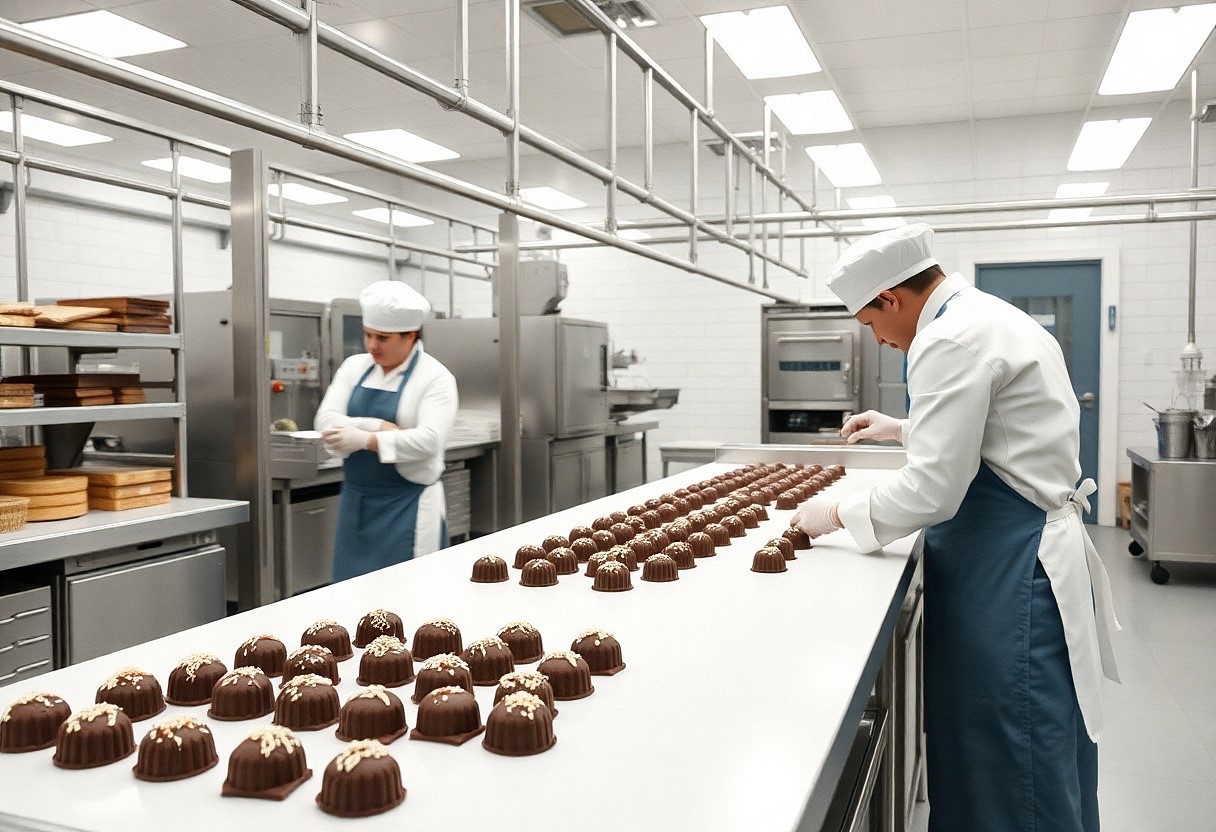
Belgium’s remarkable chocolate legacy comes alive through its 2,000+ chocolate producers, each crafting their unique interpretation of the country’s most beloved export. Belgian chocolatiers distinguish themselves by using 100% cocoa butter, creating the supremely smooth, creamy texture that chocolate enthusiasts worldwide have come to love. This guide takes you behind the scenes of the best Belgian chocolate in both Brussels and Bruges.
Even though this article will be all about chocolate and the art of chocolatiers, Belgium and cities like Brussels, Ghent, and Bruges have much more to offer besides great food—such as a wealth of amazing museums, rich history, and breathtaking architecture.
Traditional vs. Modern Chocolate Making
Belgian chocolate-making artistry stands on two pillars: time-honored traditions and cutting-edge innovation. The strict Belgian Chocolate Code mandates that all refinement and molding must occur within Belgium’s borders. Additionally, Belgian law requires chocolates to contain a minimum of 35% pure cocoa and use 100% cocoa butter, setting higher standards than many other countries.
Traditional Belgian chocolatiers follow meticulous techniques, often involving small-batch production where each step receives careful attention. They roast cocoa beans at precisely 30°C, about half the temperature industrial companies use. Furthermore, Belgian artisans grind their beans to an ultra-fine 18-20 microns, creating that signature smooth texture that melts perfectly in your mouth.
Modern chocolate making in Belgium embraces innovation while respecting these foundational principles. Here’s how contemporary Belgian chocolatiers are advancing their craft:
- Sustainable sourcing practices and organic certification.
- 3D printing technology for intricate designs.
- Water jet cutting to combine different textures.
- Extended conching processes lasting up to 78 hours.
- Advanced research at UGent Cacaolab for quality improvement.
20-30 companies follow the complete “bean-to-bar” philosophy. These master craftsmen oversee every production step, from selecting premium cocoa beans to the final molding process. Belgian chocolatiers are also exploring new flavors and techniques, all while maintaining their commitment to quality, reflected in their ongoing use of fresh cream, butter, nuts, and natural ingredients.
Interesting fact: Between 300 and 500 artisanal chocolate companies operate in Belgium.
Hidden Chocolate Workshops in Brussels
Step into the world of Brussels’ chocolate artisans, where hands-on workshops reveal the secrets of Belgian praline making. Specifically, these hidden gems offer immersive 2.5-hour sessions where you’ll master the art of tempering chocolate and crafting your own pralines from scratch.
Beyond the tourist-packed chocolate shops, local masters like Jérôme Grimonpon in Forest and Vanessa Renard in Etterbeek welcome you into their private workshops. These authentic artisanal spaces showcase the meticulous process of creating Belgian chocolates, from shell-making to filling and closing techniques.
First thing to remember, these workshops aren’t just demonstrations—you’ll create approximately 21 pralines and several mendiants (chocolate disks with nuts and dried fruits) to take home. At Zaabär’s workshop, you’ll experiment with spiced chocolate bars and craft your own unique flavor combinations.
Coupled with the hands-on experience, you’ll discover the distinct characteristics of white, milk, and dark chocolate. Many workshops are housed in charming locations, such as the 19th-century Belgian café near Grand Place, equipped with modern amenities.
Due to increasing popularity, advance booking is essential for these sessions. Most workshops accommodate small groups of 10-15 participants, ensuring personal attention from master chocolatiers. Your creations are professionally packaged, allowing you to bring home tangible proof of your chocolate-making adventure.
Interesting fact: Each year, Belgium produces around 584,000 tonnes of bulk chocolate and cocoa-based products.
Secret Chocolate Spots in Bruges
Away from the tourist-packed squares, Bruges harbors intimate chocolate havens where artisanal craftsmanship thrives. The Chocolate Line, housed in an elegant historic building, stands out for its bean-to-bar approach and experimental flavors like Havana cigar and Saké.
Particularly noteworthy is Dumon, nestled in a 400-year-old brick building behind Market Square. This family-run establishment offers some of Bruges’ smoothest, creamiest chocolates, with the mother-and-sister duo personally guiding visitors through their masterpiece collections.
Beyond that, The Old Chocolate House enchants visitors with its 17th-century architecture and over 20 varieties of hot chocolate. Jan De Clerck, a third-generation chocolatier, provides exceptional value with handmade chocolates at €2.20/100 grams.
Undoubtedly, some of the city’s most authentic experiences lie in its smaller establishments:
- Brown Sugar is known for its extensive array of marzipans and nougats.
- Pralinette features eye-catching designs by chocolatier Fangio De Baets at €7.90/100 grams.
- The Chocolate House maintains traditional Belgian chocolate-making aesthetics from the 17th century.
Essentially, Katelijnestraat emerges as a chocolate lover’s paradise, hosting six distinctive shops within walking distance. For those seeking unique flavors, BbyB operates more like an art gallery, with passionate artisans crafting innovative combinations.
Primarily found in historic squares and narrow alleys, these boutique chocolatiers maintain Bruges’ reputation as a global chocolate destination. Each shop offers distinct specialties, from chocolate letters at Oliver’s to elaborate window displays that change monthly.
Interesting fact: Each year, over 300,000 tonnes of cocoa beans from across the world arrive in the Belgian port of Antwerp.
Belgian Chocolate Stands as More Than Just a Sweet Treat
Belgian chocolate represents a living heritage preserved through generations of master craftsmen. While famous brands like Neuhaus continue their legacy, small artisanal workshops offer authentic experiences that connect you directly with this cherished tradition.
Traditional methods blend seamlessly with modern innovations as Belgian chocolatiers uphold strict quality standards while exploring new frontiers. Master craftsmen welcome curious visitors into their hidden workshops, sharing secrets passed down through centuries of chocolate making.
Brussels and Bruges each present distinct chocolate experiences. Whether crafting your own pralines in an intimate Brussels workshop or discovering family-run establishments in Bruges’ historic alleys, these hidden gems provide memories sweeter than any mass-produced chocolate.
Seeking out these authentic chocolate havens rewards you with both exceptional flavors and meaningful connections to Belgium’s proud chocolate-making heritage. After all, Belgian chocolate tastes best when savored through the stories and passion of those who dedicate their lives to perfecting this beloved craft.
