



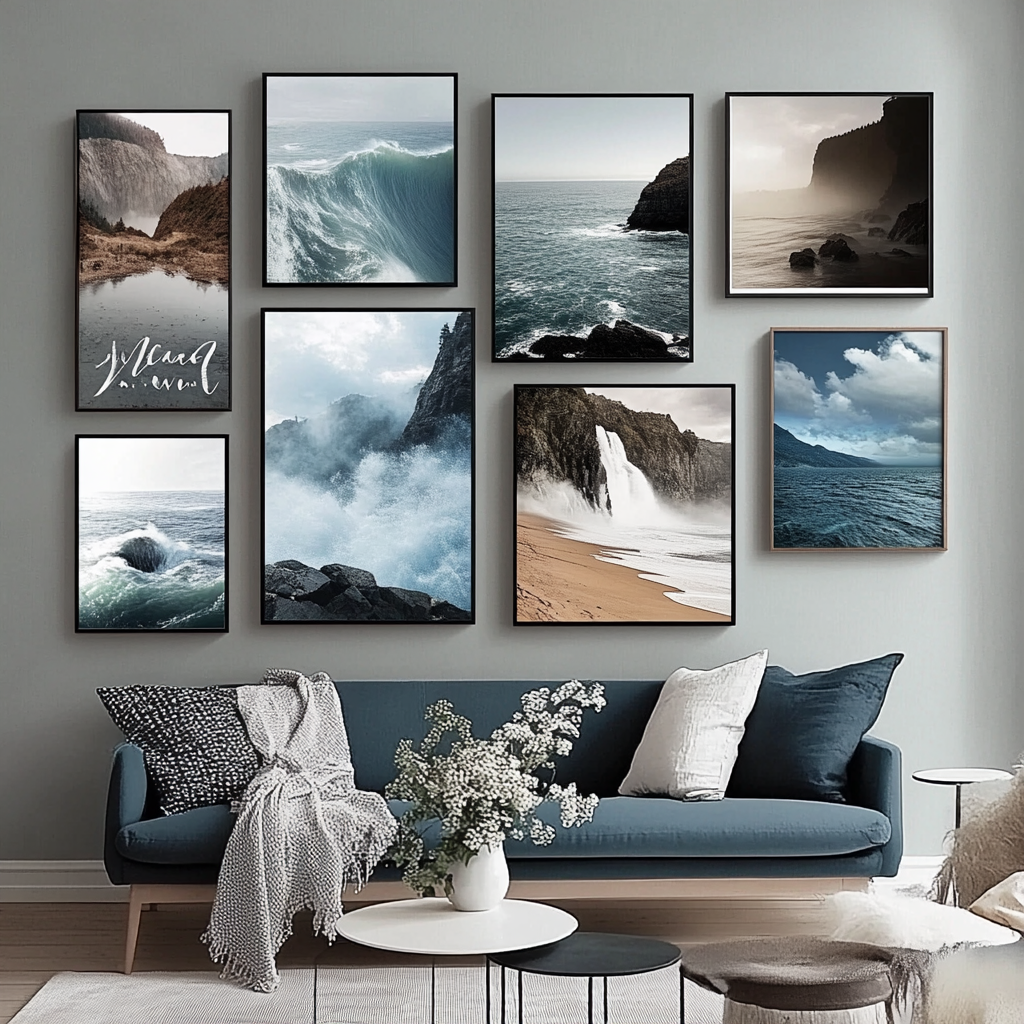
Art, in its most profound sense, is a dialogue between the creator and the observer. Among the many forms of art, landscape painting has long stood as one of the most evocative and timeless mediums. Its beauty lies in its ability to capture the splendor of the natural world, evoke emotions, and transport viewers to serene and picturesque vistas. In this article, we will embark on a journey to explore what makes a landscape painting beautiful, delving into the layers of connection, technique, and inspiration that define this cherished art form.
The Emotional Connection with Nature
Landscape art thrives on the universal human connection with nature. Unlike abstract art, which often leans on subjective interpretation, landscape painting offers a visual window into the world around us. Each viewer can find a sense of familiarity and wonder in depictions of rolling hills, tranquil lakes, or golden sunsets. This connection to the natural world is one of the most compelling aspects of landscape painting—it becomes a reminder of the beauty and peace found in nature.
Consider a serene depiction of a mountain range bathed in the soft light of dawn. To one viewer, it might inspire feelings of awe and adventure; to another, it could symbolize peace and solitude. The universal appeal of nature’s beauty allows landscape paintings to resonate deeply with a diverse audience.
The Dance of Light, Color, and Composition
In landscape painting, the interplay of light, color, and composition becomes a central language. Artists carefully observe the natural world to recreate its splendor on canvas. The warm glow of sunlight filtering through trees, the cool blues of a distant horizon, or the vibrant hues of a blooming meadow are skillfully rendered to evoke mood and atmosphere. The harmonious blending of these elements can create a sense of tranquility or energy, depending on the artist’s vision.
Composition plays a vital role in guiding the viewer’s eye through the painting. The placement of key elements—a winding river, a lone tree, or a distant peak—creates balance and movement within the artwork. These compositional choices immerse the viewer in the scene, inviting them to explore the painting’s depths and details.
The Role of Technique and Mastery
Behind every breathtaking landscape painting lies an artist’s skill and mastery of technique. Some landscape painters meticulously study the play of light and shadow, creating realistic and detailed representations of nature. Others take a more impressionistic approach, capturing the essence and emotion of a scene with bold brushstrokes and vibrant colors. Both methods require a deep understanding of artistic principles and a profound appreciation for the natural world.
The process of creating landscape art often involves patience and dedication. Artists might spend hours outdoors, observing and sketching the changing light and weather, before bringing their vision to life in the studio. This connection to the environment adds an authentic and intimate layer to the finished work, as each painting becomes a reflection of the artist’s personal experience of nature.
The Timeless Allure of Nature’s Beauty
Landscape paintings possess a timeless and universal quality, as they celebrate the enduring beauty of the natural world. Stripped of specific cultural or historical references, these artworks can transcend boundaries, speaking to people from diverse backgrounds and generations. A powerful landscape piece has the ability to evoke universal emotions such as joy, serenity, wonder, or nostalgia, making it relatable to anyone who encounters it.
This timeless appeal is perhaps why landscape art remains so enduring and relevant. It reminds us of the shared human experience of finding solace and inspiration in nature’s beauty.
Discover the Beauty of Landscape Art
If you are captivated by the allure of landscape painting and wish to explore stunning pieces that evoke beauty and emotion, visit PastelBrush’s collection of landscape art. Their curated selection showcases the diverse ways in which landscape art can inspire and transport us.
Additionally, delve deeper into the concept of beauty in art with PastelBrush’s collection of beautiful paintings. This collection celebrates the many forms beauty can take, from serene landscapes to bold and evocative abstracts.
Conclusion
Landscape painting is a celebration of the natural world and its profound ability to inspire, comfort, and captivate. Its beauty lies not only in what it shows but in the emotions it evokes. Through its light, colors, and compositions, it offers an endless escape for the mind and soul. Whether you are an artist, a collector, or simply an admirer of art, the world of landscape painting invites you to experience beauty in its purest and most timeless form. As you stand before a stunning landscape masterpiece, remember that its true beauty lies not only in the artist’s vision but also in your own connection to the scene—a meeting point where creativity and nature intertwine.
