



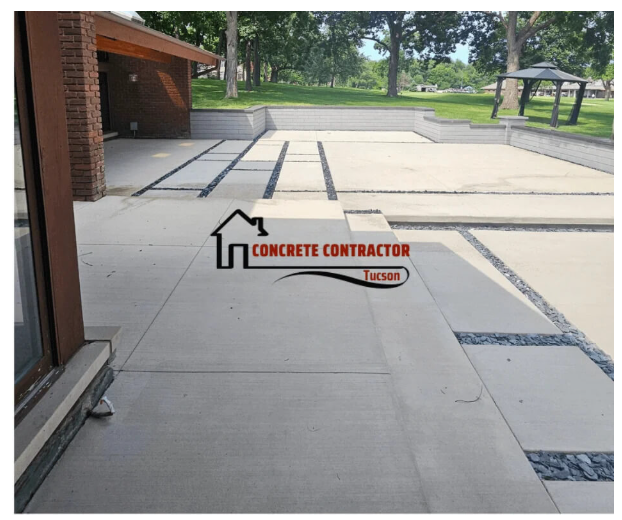
A concrete contractor is a tradesperson or company that manages concrete works, from planning and procurement to pouring and finishing. These professionals are skilled in handling various types of concrete projects, ensuring that structures are safe, strong, and aesthetically pleasing.
Difference Between General Contractors and Concrete Contractors
While a general contractor oversees all aspects of a construction project, a concrete contractor focuses specifically on concrete-related tasks. They bring specialized knowledge and skills that are crucial for executing complex concrete projects efficiently and effectively.
If you are looking for a concrete contractor in Tucson . You can call Vertex Concrete Contractor tucson Az
Key Responsibilities of a Concrete Contractor
Project Planning and Design
Before any concrete is mixed, a concrete contractor collaborates with clients and other stakeholders to develop a detailed plan. This includes interpreting blueprints, understanding the project’s scope, and determining the best approach to meet the client’s needs.
Material Selection and Procurement
Choosing the right materials is critical. A concrete contractor Tucson ensures that high-quality cement, aggregates, and additives are selected and procured on time, balancing cost with quality to meet project specifications.
Site Preparation and Formwork
Proper site preparation is essential for a successful concrete pour. This involves clearing the site, setting up formwork to shape the concrete, and ensuring the area is ready for the next steps.
Concrete Mixing and Pouring
Mixing concrete to the right consistency and strength is a precise task. Contractors use specific formulas and techniques to ensure the mixture meets the necessary standards. Pouring must be done carefully to avoid air pockets and ensure a smooth finish.
Finishing and Curing
Once poured, concrete must be finished to achieve the desired texture and appearance. This can involve smoothing, texturing, or stamping the surface. Curing is also crucial, as it allows the concrete to reach its full strength over time.
Quality Control and Inspections
Throughout the project, concrete contractors conduct regular inspections to ensure the work meets all quality standards and regulations. This includes checking for proper curing, strength, and finish.
Maintenance and Repairs
Beyond initial construction, concrete contractors also handle maintenance and repairs, addressing issues like cracks or surface wear to extend the lifespan of the concrete structure.
Types of Projects Handled by Concrete Contractors
Residential Projects
- Foundations and Slabs: Essential for supporting homes and other buildings.
- Driveways and Walkways: Providing durable and attractive paths for vehicles and pedestrians.
- Patios and Pool Decks: Creating outdoor living spaces that blend function and style.
Commercial Projects
- Parking Lots and Garages: Handling large-scale surfaces that need to withstand heavy use.
- Office Buildings and Warehouses: Constructing the structural backbone for business operations.
- Sidewalks and Curbs: Ensuring safe and accessible pedestrian pathways.
Industrial Projects
- Factories and Plants: Building foundations and floors that can support heavy machinery.
- Industrial Flooring: Offering durability for high-traffic areas.
- Storage Facilities: Creating robust structures for storage and logistics.
Skills and Qualifications of a Concrete Contractor
Technical Skills
Concrete contractors must have a deep understanding of materials, tools, and techniques. This includes knowledge of different concrete mixes, pouring methods, and finishing techniques.
Physical Stamina and Strength
The job is physically demanding, requiring contractors to lift heavy materials, operate machinery, and perform tasks that can be strenuous and time-consuming.
Attention to Detail
Precision is key in concrete work. Contractors must ensure measurements are exact, forms are correctly set, and finishes are smooth and even.
Communication and Teamwork
Successful projects require effective communication with clients, team members, and other stakeholders. Collaboration and coordination are essential for meeting deadlines and achieving project goals.
The Concrete Contracting Process
Initial Consultation and Planning
The process begins with an initial consultation to understand the client’s needs, project scope, and budget. This sets the stage for detailed planning and design.
Estimating and Bidding
Contractors provide estimates and bids based on project requirements, material costs, labor, and timelines. This helps clients make informed decisions about their project.
Contract Signing
Once the bid is accepted, a formal contract is signed, outlining the project’s terms, including timelines, costs, and responsibilities.
Project Execution
The contractor then manages the execution, coordinating all aspects from site preparation to finishing. This involves constant monitoring to ensure quality and adherence to the plan.
Final Inspection and Approval
After the concrete work is completed, a final inspection ensures everything meets the required standards. Approval from clients and regulatory bodies marks the project’s completion.
Choosing the Right Concrete Contractor
Below are some points to consider before selecting the right concrete contractor
Research and Recommendations
Start by researching potential contractors and seeking recommendations from friends, family, or industry professionals. Online reviews can also provide valuable insights.
Checking Credentials and Experience
Ensure the contractor is licensed, insured, and has relevant experience. Check for certifications and memberships in professional organizations.
Evaluating Past Projects
Reviewing a contractor’s previous projects can give you a sense of their capabilities and quality of work. Look for projects similar to yours.
Requesting and Comparing Quotes
Get quotes from multiple contractors to compare costs and services. This helps ensure you’re getting fair pricing and quality service.
Communication and Professionalism
Choose a contractor who communicates clearly, listens to your needs, and demonstrates professionalism. Good rapport and trust are crucial for a successful partnership.
Common Challenges Faced by Concrete Contractors
Weather Conditions
Concrete work is highly weather-dependent. Extreme temperatures, rain, or humidity can affect the curing process and overall quality.
Material Supply Issues
Delays or shortages in materials can disrupt schedules and increase costs. Contractors must have reliable suppliers and contingency plans.
Unforeseen Site Conditions
Unexpected issues like unstable soil or hidden obstructions can complicate projects. Flexibility and problem-solving skills are essential.
Meeting Deadlines and Budgets
Balancing time and budget constraints while maintaining quality is a constant challenge. Efficient project management is key to success.
Technological Advances in Concrete Contracting
Use of Ready-Mix Concrete
Ready-mix concrete offers consistency and convenience, allowing for precise mixes tailored to project needs.
Innovations in Formwork Systems
Modern formwork systems improve efficiency and safety, enabling faster and more accurate construction.
Advances in Concrete Finishing Techniques
New finishing techniques, such as polished concrete and decorative stamping, provide more aesthetic options and better durability for concrete surfaces.
Incorporation of Sustainability Practices
With a growing emphasis on sustainability, concrete contractors are adopting eco-friendly practices. This includes using recycled materials, reducing waste, and implementing energy-efficient processes.
Benefits of Hiring a Professional Concrete Contractor
Expertise and Experience
Professional concrete contractors bring years of experience and specialized knowledge to your project, ensuring high-quality results that meet industry standards.
Time and Cost Efficiency
Experienced contractors can complete projects more quickly and efficiently, saving you time and money. They know how to avoid common pitfalls and manage resources effectively.
High-Quality Workmanship
A skilled contractor delivers superior craftsmanship, resulting in durable and aesthetically pleasing concrete work that stands the test of time.
Long-Term Durability
Properly executed concrete work is incredibly durable, reducing the need for frequent repairs and maintenance. This longevity translates into long-term savings and peace of mind.
Conclusion
Concrete contractors play a vital role in the construction industry, bringing expertise and precision to every project. From residential driveways to massive industrial floors, their skills ensure that structures are safe, strong, and built to last. When choosing a concrete contractor, it’s essential to consider their experience, qualifications, and past work to ensure your project is in capable hands. By understanding the full scope of their responsibilities and the benefits they provide, you can make an informed decision and enjoy the lasting results of high-quality concrete work.
FAQs
What does a concrete contractor do?
A concrete contractor manages all aspects of concrete construction, including planning, material selection, site preparation, pouring, finishing, and quality control. They ensure the concrete work is done safely, efficiently, and to the highest standards.
How long does a typical concrete project take?
The duration of a concrete project varies based on its size and complexity. Small projects like driveways or patios might take a few days, while larger commercial or industrial projects can take several weeks or even months.
What should I look for when hiring a concrete contractor?
When hiring a concrete contractor, look for experience, credentials, and a strong portfolio of past projects. Check for licenses and insurance, read reviews, and get multiple quotes to compare services and prices.
Are concrete contractors responsible for permits?
Yes, reputable concrete contractors usually handle the permitting process, ensuring all necessary permits are obtained and that the project complies with local building codes and regulations.
How do concrete contractors handle bad weather during a project?
Concrete contractors plan for weather conditions and may adjust schedules to avoid pouring concrete during extreme weather. They also use techniques like covering the concrete or using additives to help it cure properly in less-than-ideal conditions.
