



Shipping containers are an integral part of the global supply chain, offering versatile storage and transport solutions. Whether you’re considering purchasing a container for personal use, commercial purposes, or modifications, understanding their weights is crucial. Here are five essential facts about shipping container weights, including answers to common questions like, How much does a shipping container weigh? and considerations for those exploring used shipping containers for sale in San Diego or elsewhere.
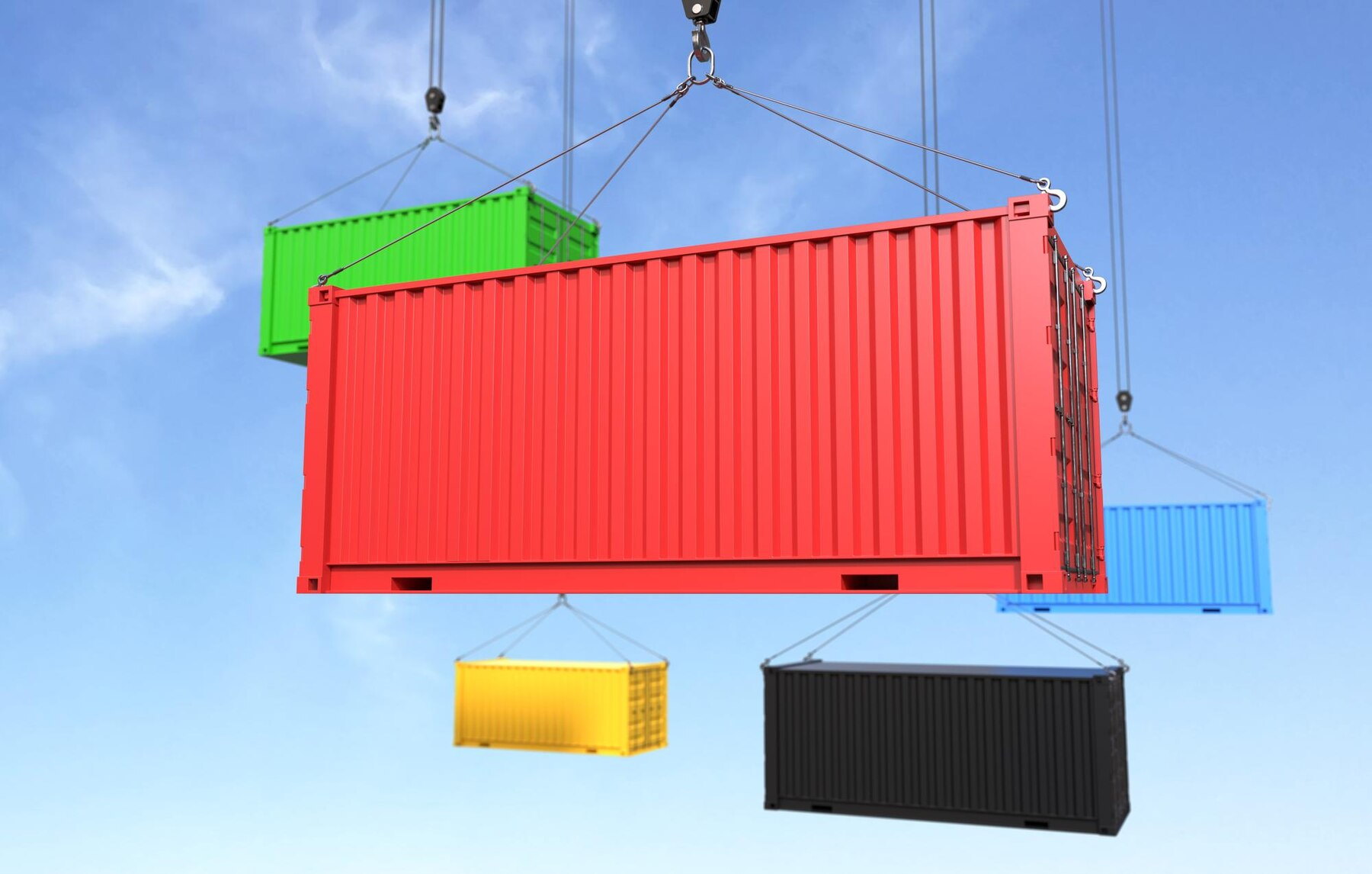
What is the Weight of a Shipping Container?
Shipping containers come in standardised sizes, and their weights are determined by their size and construction material. The weight of a container is categorised into three main types:
Tare Weight:
This is the weight of the empty container. For a standard 20-foot container, the tare weight is approximately 2,300 kilograms (5,071 pounds). A 40-foot container’s tare weight is roughly 3,800 kilograms (8,377 pounds).
Payload:
This refers to the maximum weight the container can hold, including the cargo. For a 20-foot container, the payload is around 28,000 kilograms (61,729 pounds), while a 40-foot container can carry up to 30,480 kilograms (67,196 pounds).
Gross Weight:
This is the total weight of the container when fully loaded, combining the tare weight and payload. The gross weight limit for most containers is 30,480 kilograms (67,196 pounds).
These weight specifications are critical for ensuring safety and compliance with transportation regulations.
Types of Shipping Containers and Their Weights
There are various types of shipping containers, each designed for specific uses, which influence their weight:
Standard Dry Containers:
These are the most common and have the weights mentioned above.
High Cube Containers:
Taller than standard containers, high cubes have slightly higher tare weights. For example, a 40-foot high cube container has a tare weight of about 4,150 kilograms (9,149 pounds).
Refrigerated Containers (Reefers):
These containers are equipped with cooling systems, adding to their tare weight. A 20-foot reefer weighs approximately 2,900 kilograms (6,393 pounds) when empty.
Open-Top and Flat-Rack Containers:
Designed for oversized cargo, these containers have unique weight specifications depending on their modifications.
If you’re browsing San Diego shipping containers for sale, consider the type that best suits your needs.
How Weight Affects Transportation and Costs
The weight of a shipping container plays a significant role in determining transportation methods and costs. Here’s what you should know:
Road Transport:
Trucks have strict weight limits that vary by region. Overloaded containers can lead to fines or accidents, so it’s essential to adhere to these limits.
Shipping Costs:
Carriers calculate freight charges based on the container’s weight and volume. Heavier loads generally cost more to transport.
Handling Equipment:
Heavier containers require robust equipment, such as cranes and forklifts, for safe loading and unloading. Ensure the facilities you use can accommodate your container’s weight.
Weight Considerations for Used Shipping Containers
Used shipping containers for sale are a cost-effective option for many buyers. However, it’s essential to consider weight-related factors when purchasing used containers:
Structural Integrity:
Check the condition of the container to ensure it can handle its maximum payload. Rust, dents, or structural damage can weaken the container and reduce its weight capacity.
Custom Modifications:
Modifying a container, such as adding insulation, windows, or doors, can increase its tare weight. Keep this in mind if you plan to transport the modified container.
Inspection and Certification:
Always verify that the container meets safety standards and has proper certification, especially if you intend to use it for shipping cargo.
San Diego offers a robust market for used shipping containers, with options ranging from standard dry containers to specialised models. Inspecting and understanding the weight specifications can help you make an informed decision.
Why Knowing Container Weights Matters
Understanding shipping container weights is crucial for several reasons:
Safety:
Overloading a container can lead to accidents, equipment failure, or damage to the cargo.
Regulations:
International shipping requires compliance with the Safety of Life at Sea (SOLAS) regulations, which mandate accurate container weight declarations.
Efficiency:
Proper weight distribution during loading ensures stability and prevents tipping or shifting during transport.
Whether you’re using a container for storage, shipping, or as a building material, knowing its weight ensures safe and efficient use.
Finding the Right Shipping Container in San Diego
If you’re in the market for a shipping container, whether new or used, San Diego offers a wide range of options. Consider these tips when searching for a container:
Research Suppliers:
Look for reputable suppliers with positive reviews and a history of providing quality containers.
Inspect Before Buying:
Always inspect the container in person, if possible, to check for damage or wear that might affect its weight capacity.
Compare Prices:
Shop around to find competitive pricing for both standard and modified containers. Don’t forget to factor in delivery costs.
Ask About Customisation:
Many suppliers offer customisation services, allowing you to tailor the container to your specific needs.

Final Thoughts
Shipping containers are versatile assets with a wide range of applications. By understanding their weights, types, and associated costs, you can make informed decisions that suit your requirements. Whether you’re purchasing a container for transport, storage, or a creative project, knowing the answer to “How much does a shipping container weigh?” and other related facts is essential.
If you’re considering used shipping containers for sale in San Diego, take the time to research, inspect, and select the right container. With the proper knowledge and planning, you can optimise the use of these robust and adaptable structures.
