



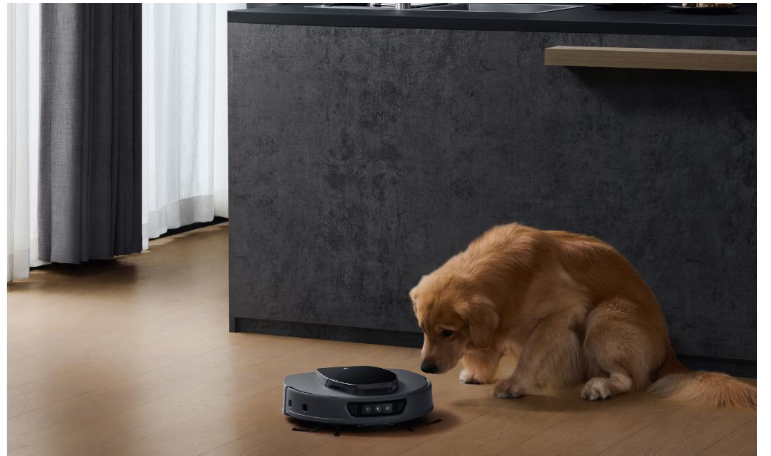
Pet hair is one of the most challenging types of debris for household cleaning, and with more people adopting self-empty robot vacuums, the question arises: can these smart devices effectively manage the task? This article explores how self-empty robot vacuums tackle pet hair, the technology behind them, and the challenges they face in pet-friendly homes.
What Makes Pet Hair a Challenge for Vacuums?
Pet hair presents a unique set of challenges for sweeping robot cleaners. Unlike regular dirt or dust, pet hair tends to stick to various surfaces, making it difficult to remove. Whether it’s carpets, hardwood floors, or upholstery, pet hair can cling to fibers, which often requires more effort from traditional vacuums. The texture of pet hair itself can vary drastically—some. Some pets shed fine, soft hair, while others leave behind thicker, coarser strands. Each type of hair has different cleaning needs, further complicating the process.
Another problem is static electricity. Pet hair often carries a static charge that causes it to stick more stubbornly to fabrics, especially carpets, and upholstery. This means that pet hair may get embedded deeper into fibers, which can make it harder to extract. In addition, while traditional vacuum cleaners may struggle with longer pet hairs, robot vacuums—particularly self-emptying models—are designed to handle a variety of debris, but pet hair remains a tricky challenge that requires specialized design features.
How Self-Empty Robot Vacuums Are Designed to Tackle Pet Hair?
Self-empty robot vacuums are designed with the specific challenges of cleaning up after pets in mind. These devices come equipped with features that help them effectively tackle pet hair across different surfaces.
- Powerful Suction: One of the key design improvements for Self-empty robot vacuums is the enhanced suction power. Pet hair, due to its ability to cling to surfaces, needs a vacuum with strong suction to effectively lift it, especially from dense carpets. Many robot vacuums targeted at pet owners include high-efficiency suction motors to ensure that they can pick up even the most stubborn pet hair.
- Specialized Brushes and Rollers: To prevent pet hair from wrapping around the wheels or being left behind on hard surfaces, Self-empty robot vacuums are often equipped with specially designed brushes. These can include rubber rollers or bristle brushes designed to agitate carpet fibers and lift pet hair. Rubber brushes are particularly effective as they reduce the risk of tangling, which is a common issue with traditional bristle brushes when cleaning up after pets.
- HEPA Filters: Many high-end robot vacuums include HEPA (High-Efficiency Particulate Air) filters, which capture not only pet hair but also pet dander, dust mites, and other allergens. This makes them an excellent choice for pet owners who want to improve their indoor air quality. By capturing allergens, these filters reduce the spread of irritants and make homes more comfortable for allergy sufferers.
Do Self-empty robot vacuums Work Better Than Regular Models for Pet Hair?
While regular robot vacuums can struggle to remove pet hair, self-emptying models offer significant advantages.
- Longer Cleaning Time: One of the most significant advantages of Self-empty robot vacuums is that they can operate for longer periods without requiring manual emptying. Most robot vacuums need to be emptied after each cleaning session, especially in pet-heavy households. Self-emptying models, however, are designed to collect more debris, including pet hair, in their larger dustbins, allowing them to clean for longer before needing attention. This extended cleaning time is especially helpful for homes with multiple pets or larger spaces.
- Advanced Navigation: Self-empty robot vacuums often come equipped with advanced navigation systems. These systems map the layout of the home and use sensors to avoid obstacles and clean efficiently. Advanced mapping technology helps the vacuum to identify areas where pet hair tends to accumulate, such as along edges, under furniture, and in corners. This means that the vacuum can focus on high-traffic areas and ensure more thorough cleaning.
- Consistent Cleaning: Since self-emptying vacuums can operate for extended periods, they offer consistent cleaning, which is essential for managing pet hair. Pet owners can schedule regular cleanings without worrying about manual intervention. This consistency is important, as it helps reduce the buildup of pet hair in hard-to-reach areas, such as underneath furniture or along baseboards.
Limitations of Self-empty robot vacuums for Pet Hair
Despite their advancements, Self-empty robot vacuums are not perfect and do have certain limitations, particularly when it comes to cleaning up pet hair.
- Thicker Carpets and Rugs: One of the challenges faced by Self-empty robot vacuums is cleaning pet hair from thick or high-pile carpets. While these vacuums are designed with powerful suction, deep carpets can sometimes trap pet hair, making it more difficult for the vacuum to extract all of it. In these cases, pet owners may need to rely on additional cleaning methods or choose a vacuum model specifically optimized for deep-cleaning carpets.
- Pet Hair on Furniture: Although robot vacuums are effective on floors, many models still struggle with cleaning pet hair from furniture. While some vacuums come with special attachments for cleaning upholstery, robot vacuums themselves do not have the same reach as handheld vacuums. As a result, pet hair on sofas, beds, or other furniture may require separate cleaning tools or manual intervention.
- Clogging in the Dustbin: Even though the self-emptying feature reduces the frequency of emptying, too much hair can sometimes clog the vacuum’s dustbin or the self-emptying mechanism. Pet hair that gets tangled in the vacuum’s rollers or brushes can also affect performance, requiring periodic maintenance to keep the system running smoothly.
How Pet Owners Can Maximize the Effectiveness of Their Self-empty robot vacuums?
Pet owners can take several steps to maximize the effectiveness of their Self-empty robot vacuums.
- Regular Maintenance: Regularly cleaning the vacuum’s brushes, rollers, and filters is crucial for maintaining optimal performance. Pet hair can easily get tangled in the brushes, which can reduce suction power and hinder the vacuum’s ability to pick up hair. Keeping the brushes clean will ensure that the vacuum continues to work efficiently.
- Scheduling Frequent Cleanings: For homes with multiple pets, scheduling frequent cleaning sessions is a great way to prevent pet hair from accumulating. Setting the vacuum to run every day or every other day ensures that hair doesn’t have a chance to build up, making it easier to maintain a clean home.
- Use of Accessories: Some robot vacuums offer additional attachments, such as specialized pet-hair tools, or offer modes specifically designed to handle pet hair. Using these features can help ensure that your vacuum is as effective as possible at removing pet hair.
Conclusion
Self-empty robot vacuums save time, reduce effort, and offer a cleaner, more hygienic home. As technology continues to improve, these vacuums will become even more efficient and accessible, further simplifying our cleaning routines.
