



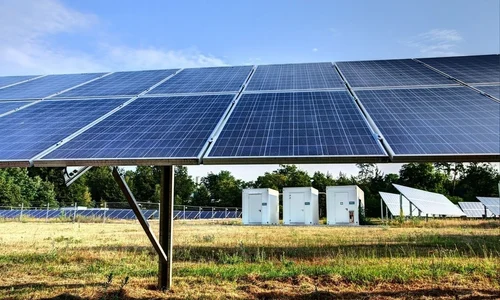
In today’s rapidly evolving world, energy demands are increasing at an unprecedented rate. The necessity for cleaner and more sustainable energy source has become paramount as traditional fossil fuels are being phased out. One of the most critical technologies enabling this transition is energy storage. These systems bridge the gap between energy production and consumption, ensuring a stable and reliable power supply. Without effective storage solutions, renewable energy sources like solar and wind, which are inherently intermittent, cannot be fully utilized.
Energy storage systems contribute to the efficiency of power grids by storing excess energy generated during low-demand periods and releasing it during peak times. This dynamic capability reduces energy waste, minimizes grid instability, and supports the integration of renewables into the energy mix. The future of global energy sustainability hinges on advanced and scalable storage solutions.
Key Technologies in Energy Storage
The development of energy storage systems has led to a variety of innovative technologies. Each serves specific applications and addresses unique challenges. Among the most prominent are:
- Lithium-ion Batteries
Known for their high energy density and efficiency, these batteries dominate the market. They are widely used in electric vehicles and residential storage systems.
- Flow Batteries
These systems are ideal for large-scale applications, offering a longer lifespan and easy scalability.
- Pumped Hydroelectric Storage
A traditional yet highly effective method, it involves storing energy by pumping water to an elevated reservoir and releasing it to generate electricity when needed.
- Thermal Storage
By capturing and storing heat, this method supports both industrial processes and residential heating needs.
Each technology plays a vital role in advancing energy storage capabilities, paving the way for a more sustainable future. The choice of system depends on specific requirements such as scale, duration, and energy type.
Benefits of Energy Storage Systems
The implementation of energy storage systems brings numerous advantages to both consumers and the broader energy ecosystem. Among the most significant benefits are:
- Grid Reliability
Energy storage helps stabilize power grids by mitigating fluctuations in supply and demand. This ensures uninterrupted power for consumers and industries alike.
- Renewable Energy Optimization
Intermittent renewable sources can now deliver consistent energy output, maximizing their potential and reducing dependency on fossil fuels.
- Cost Efficiency
By enabling energy to be used during peak demand periods, storage systems reduce the need for expensive backup power plants and lower electricity costs over time.
- Energy Independence
Businesses and households equipped with storage solutions gain greater control over their energy usage, reducing reliance on external providers.
Through these benefits, energy storage not only supports sustainability but also fosters economic growth by enabling innovative business models in the energy sector.
Challenges and the Path Forward
Despite its vast potential, the widespread adoption of energy storage systems faces several challenges. High initial costs, limited material availability, and the environmental impact of battery production are among the primary concerns. Additionally, advancements in energy density, efficiency, and recycling processes are needed to make these systems more viable for mass deployment.
Research and development efforts are addressing these obstacles by focusing on alternative materials, such as sodium-based and solid-state batteries, which offer lower costs and reduced environmental impact. Policy frameworks and incentives are also critical in accelerating the adoption of energy storage systems. For more information about energy storage systems, visit https://www.teksan.com/en/energy-storage-systems-tess/.
