



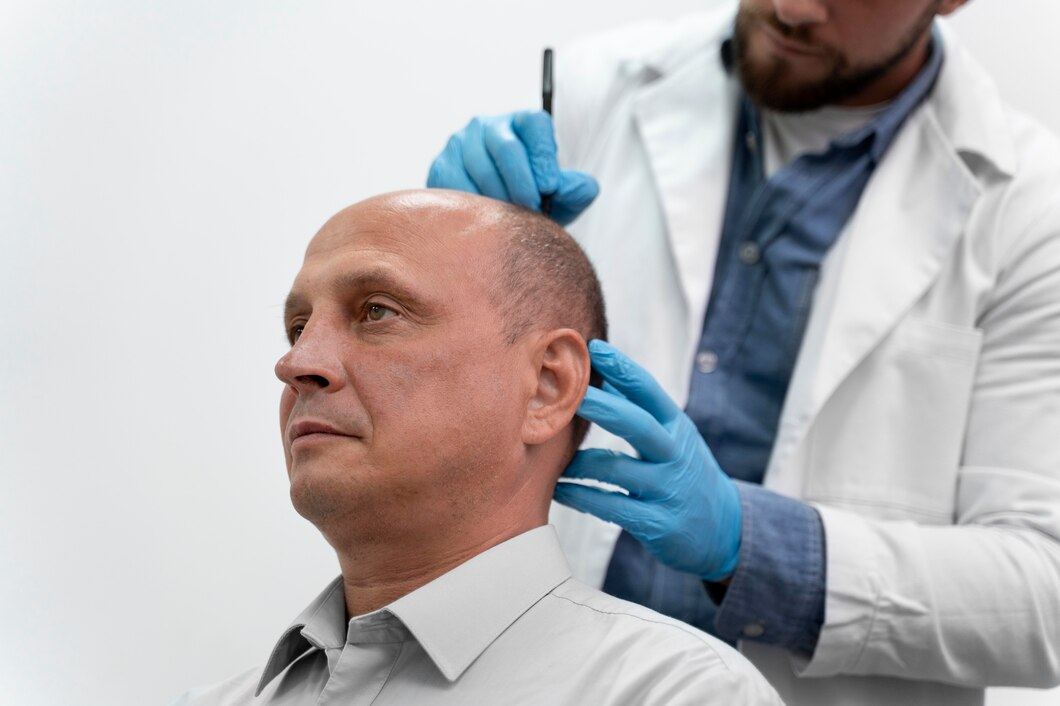
Hair transplant techniques have evolved significantly over the years, offering patients more advanced and effective solutions for hair restoration. Among the modern methods, Sapphire FUE has gained popularity for its precision, reduced recovery time, and natural results. This technique stands out as a preferred choice for many, surpassing traditional methods and even competing approaches like DHI hair transplant.
This article explores the benefits of Sapphire FUE, how it compares to other hair transplant methods, and why it has become a leading choice for patients worldwide.
What is Sapphire FUE?
Sapphire FUE (Follicular Unit Extraction) is a hair transplant technique that uses sapphire blades instead of traditional steel ones to create incisions in the scalp. These ultra-sharp blades allow for:
- Precise and smaller incisions.
- Minimal tissue damage.
- Faster healing and reduced scarring.
By enhancing the traditional FUE technique, Sapphire FUE provides a more refined and effective approach to hair transplantation. Additionally, Sapphire FUE is less invasive and offers a quicker recovery time compared to traditional FUE methods.
Benefits of Sapphire FUE
Minimise Scarring
The smaller incisions made with sapphire blades result in less scarring compared to steel blades or other techniques. The tiny scars are nearly invisible, even with short hairstyles.
Faster Recovery Time
Patients undergoing Sapphire FUE typically experience quicker healing due to the reduced tissue damage. This allows them to return to their normal activities sooner.
Natural Results
The precision of sapphire blades enables the surgeon to create more accurate incisions, ensuring natural hair growth patterns and density.
Reduced Risk of Infection
Sapphire blades are smoother and less likely to damage surrounding tissue, lowering the risk of complications like infection.
Ideal for Various Hair Loss Patterns
Sapphire FUE is versatile and effective for treating a wide range of hair loss types, including receding hairlines, thinning crowns, and more.
Sapphire FUE vs. DHI Hair Transplant
Both Sapphire FUE and DHI (Direct Hair Implantation) are advanced techniques, but they differ in certain aspects:
For patients seeking high precision and efficiency, Sapphire FUE is often the preferred choice, while DHI may be ideal for smaller, targeted areas.
The Sapphire FUE Procedure
Consultation

Your surgeon will assess your hair loss and design a customised plan, including the areas to be treated and the number of grafts required. A thorough discussion about your expectations, lifestyle, and medical history will also be conducted.
Extraction
Hair follicles are carefully extracted from the donor area, usually the back of the scalp, using a micro-punch tool. This process is minimally invasive, ensuring minimal discomfort and a faster recovery time.
Incisions with Sapphire Blades
Sapphire blades are used to create precise incisions in the recipient area, optimising graft placement. These blades are known for their sharpness and precision, leading to reduced trauma and faster healing.
Implantation
The harvested follicles are implanted into the prepared incisions, ensuring natural growth patterns. The surgeon will meticulously place each graft to achieve a natural-looking hairline and overall hair density.
Is Sapphire FUE Right for You?

Sapphire FUE is suitable for a wide range of patients, but it’s particularly ideal for those who:
- Want minimal scarring.
- Are seeking natural, dense hair restoration.
- Prefer a faster recovery process.
However, a consultation with a qualified surgeon is essential to determine the best approach for your specific needs.
Choosing the Right Clinic
Whether you’re considering Sapphire hair transplant or DHI hair transplant, the expertise of your surgeon and the clinic’s facilities are critical to achieving optimal results. Look for:
- Board-certified surgeons with experience in hair restoration.
- Clinics equipped with modern tools, including sapphire blades.
- Positive patient reviews and before-and-after photos.
Cost of Sapphire FUE
While Sapphire FUE is generally more affordable than DHI, the cost varies depending on factors like the number of grafts and the clinic’s location. Both DHI hair transplant and Sapphire FUE offer long-term results, making them worthwhile investments in your appearance and confidence.
Aftercare for Sapphire FUE
Protect Your Scalp
Avoid touching or scratching the transplanted area to prevent infection or dislodging of grafts.
Follow Your Surgeon’s Instructions
Use prescribed shampoos and medications to aid recovery and promote hair growth.
Maintain a Healthy Lifestyle
Proper nutrition and hydration can support healing and ensure long-lasting results.
Conclusion
Sapphire FUE has emerged as a preferred choice for hair transplant patients due to its precision, natural results, and minimal downtime. Compared to other methods like DHI hair transplant, it offers a balance of efficiency and affordability, making it an excellent option for those seeking effective hair restoration.
Whether you opt for a Sapphire hair transplant or another technique, consulting with an experienced surgeon is the first step toward achieving your desired results. With the right care and guidance, you can restore your hair and confidence effectively and permanently.
