



Urban mobility is undergoing a quiet revolution. As cities grow denser and commuters search for smarter ways to navigate crowded streets, the demand for portable, efficient transportation has never been stronger. Folding e-bikes have emerged at the center of this shift — compact enough to carry onto a train, powerful enough to tackle a daily commute, and increasingly refined in their design.
Yet for style-conscious riders, the choice isn’t straightforward. Too many options sacrifice aesthetics for utility, leaving commuters with bikes that feel purely functional but visually uninspiring. Finding the best folding e-bike means refusing that compromise — seeking out a machine that turns heads on the street just as confidently as it handles the morning rush.
This article explores exactly that intersection. From essential e-bike features and intelligent engineering to the enduring appeal of European craftsmanship, we’ll walk through what separates a truly exceptional folding e-bike from the ordinary. Whether you’re drawn to classic style, cutting-edge modern functionality, or both, the right bike exists — and this guide will help you find it.
What Defines the Best Folding E-Bike?
Not every folding e-bike deserves the label “best.” The distinction lies in how well a bike balances three core qualities: portability, performance, and design. Strip away any one of these, and you’re left with a machine that serves only part of its purpose. The best folding e-bike delivers all three without visible compromise.
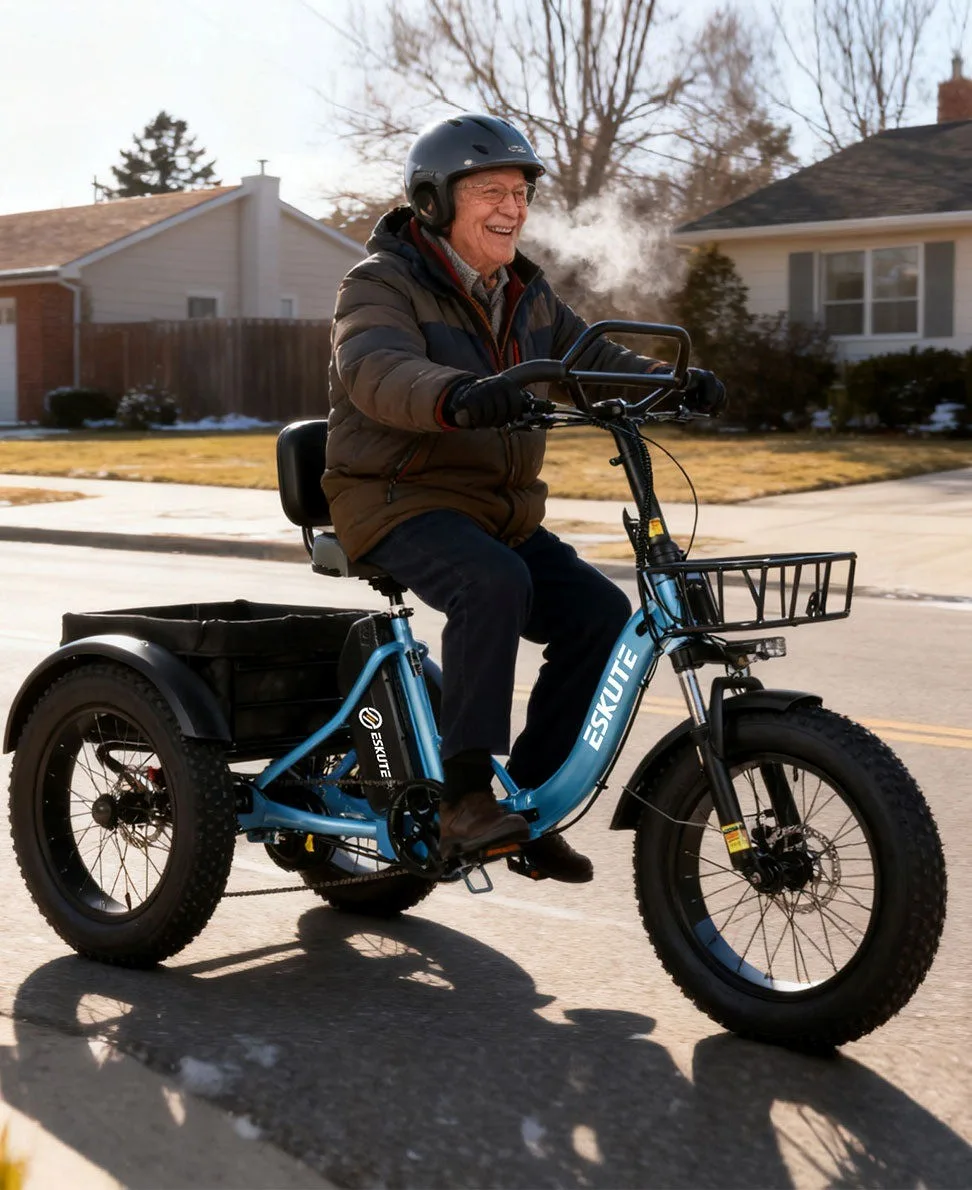
Portability goes beyond the ability to fold. It’s about how quickly the mechanism operates, how compact the bike becomes after folding, and whether the resulting package is light enough to carry up a flight of stairs or slide under a desk. A bike that takes five minutes and significant effort to collapse defeats the point entirely. True portability means a smooth, intuitive fold that becomes second nature within days of ownership.
Performance covers the riding experience itself — motor responsiveness, battery range, braking reliability, and how the bike handles varied terrain. A commuter bike that struggles on slight inclines or runs flat before the workday ends isn’t a practical solution, regardless of how good it looks.
Design, however, is where style-conscious riders draw the sharpest line. For this audience, a folding e-bike isn’t just a tool — it’s an extension of personal identity. The right bike complements a wardrobe, fits naturally into urban environments, and carries a visual coherence that purely utilitarian models lack. Frame geometry, color palette, component finish, and overall aesthetic cohesion all matter.
The best models integrate seamlessly into a modern lifestyle by treating design as a feature rather than an afterthought, ensuring that riders never have to choose between arriving efficiently and arriving in style.
Essential E-Bike Features for Style and Practicality
Motor and Battery: The Heart of Modern Functionality
The motor and battery define how a folding e-bike actually performs in daily use. Hub motors, mounted in the front or rear wheel, are the most common choice in folding designs — they’re lightweight, low-maintenance, and keep the frame clean. Mid-drive motors, positioned at the crank, offer better weight distribution and more natural pedaling feel, making them ideal for riders who tackle varied terrain. For commuters prioritizing a sleek silhouette, a well-integrated hub motor often wins on aesthetics without meaningfully sacrificing performance. Battery range is equally critical: a quality folding e-bike should comfortably cover typical commuting distances on a single charge, with battery placement that doesn’t disrupt the bike’s visual balance or fold mechanism.
Design Elements: Where Classic Style Meets User Experience
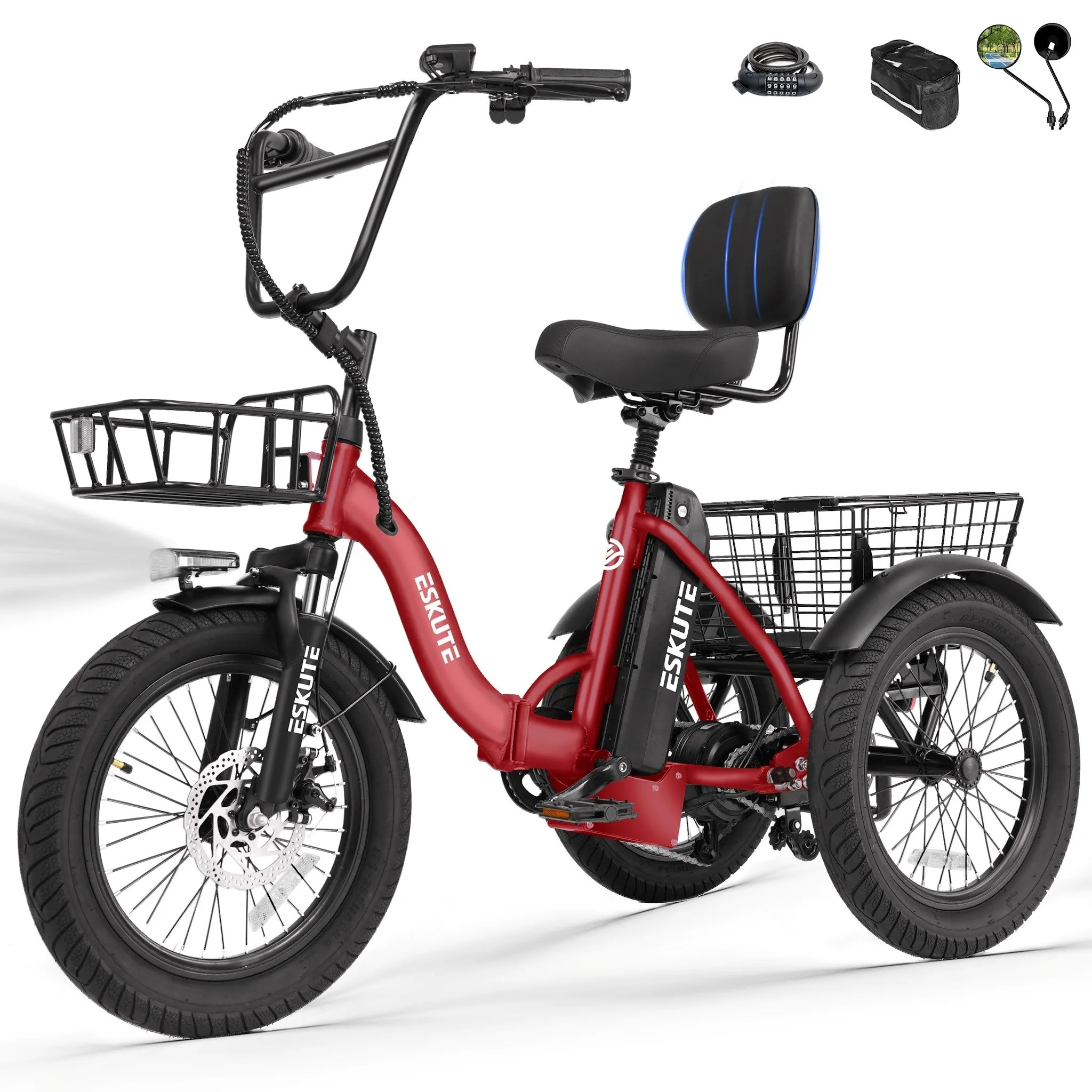
Frame material shapes both the ride and the look. Aluminum alloy remains the standard for folding e-bikes — light, corrosion-resistant, and capable of clean, refined lines that suit classic style sensibilities. Color choices matter more than many buyers anticipate; matte finishes and restrained palettes age better and read as more intentional than loud graphics. Ergonomic details complete the picture: a well-shaped saddle reduces fatigue on longer rides, while swept-back handlebars encourage an upright posture that feels relaxed rather than hunched. These elements collectively determine whether a bike feels cohesive or assembled from mismatched parts.
Smart Features and Connectivity
Modern folding e-bikes increasingly incorporate technology that enhances both safety and convenience. Integrated displays provide real-time feedback on speed, battery level, and assist mode without requiring a separate device. App connectivity allows riders to customize pedal assist settings, track rides, and monitor battery health from a smartphone. Lighting systems built directly into the frame — rather than bolted on as afterthoughts — keep the design clean while meeting practical visibility needs. Together, these smart features elevate a folding e-bike from a simple commuter tool to a genuinely connected urban companion.
The Hallmark of European Craftsmanship in E-Bikes
European craftsmanship carries a specific meaning in the cycling world — one built over generations of engineering tradition, material precision, and an uncompromising eye for detail. When applied to folding e-bikes, this heritage translates into products where every weld, joint, and finish reflects considered intent rather than cost-cutting shortcuts. Brands like ESKUTE have drawn on this tradition to develop folding e-bikes where the difference is tangible from the first ride: tighter tolerances in the folding mechanism, smoother welds along the frame, and components selected for longevity rather than minimum viable performance.
Durability is perhaps the most practical expression of this craftsmanship. European-influenced manufacturing processes typically apply stricter quality control standards at each production stage, meaning fewer stress points in high-wear areas like hinges, stem clamps, and bottom brackets. For a commuter who folds and unfolds their bike twice daily, this resilience isn’t a luxury — it’s the difference between a bike that lasts years and one that develops play and rattle within months.
Sustainability has become equally central to the European manufacturing ethos. Responsible sourcing of materials, reduced production waste, and designs built to be repaired rather than replaced all reflect a longer-term thinking that resonates with environmentally conscious urban riders. Choosing a bike rooted in these values means investing in something that aligns with a broader commitment to sustainable city living.
For style-conscious riders concerned about value, European craftsmanship reframes the conversation. The upfront investment reflects not just current performance but extended lifespan, lower maintenance costs, and a design integrity that holds up visually over time. Premium features become accessible precisely because the engineering behind them is built to last, making the cost-per-year calculation considerably more favorable than cheaper alternatives that wear prematurely.
Merging Classic Style with Modern Functionality
The most compelling folding e-bikes on the market today don’t force a choice between vintage appeal and contemporary performance — they make that tension disappear entirely. Retro-inspired frames with clean lugged lines or step-through geometries now arrive equipped with torque sensors, regenerative braking, and Bluetooth-enabled control systems. The visual language speaks to timeless cycling tradition; the engineering underneath belongs firmly to the present.
This convergence shows most clearly in folding mechanisms. Early folding bikes required awkward multi-step processes that felt anything but elegant. Modern designs have refined this into single-latch or magnetic-assisted systems that collapse the bike in under ten seconds, maintaining structural rigidity without cluttering the frame with visible hardware. The fold itself has become a design feature — smooth, deliberate, and satisfying to execute.
Safety features have followed the same trajectory. Hydraulic disc brakes, once reserved for performance mountain bikes, now appear on compact urban folders without disrupting their refined silhouette. Integrated rear lighting triggered automatically by braking adds a layer of visibility that purely mechanical bikes can’t match. Suspension elements built subtly into the seatpost or stem absorb road vibration without the visual bulk of traditional fork suspension.
What ties these advances together is intentional design thinking — the recognition that modern functionality should enhance a bike’s aesthetic rather than compromise it. When technology is embedded rather than bolted on, the result is a folding e-bike that feels coherent from every angle, equally at home leaning against a café wall or navigating a busy commuter corridor.
A Step-by-Step Guide to Choosing Your Best Folding E-Bike
Step 1: Assess Your Lifestyle and Commuting Needs
Before comparing specifications, start with an honest audit of how you actually live. How far is your daily commute? Do you combine cycling with public transit, requiring a bike that fits through turnstiles and overhead racks? Is storage at home or the office limited? Equally important for style-conscious riders: does the bike need to complement a particular aesthetic — refined and classic, or clean and contemporary? Answering these questions first prevents the common mistake of buying on specification alone, only to find the bike doesn’t fit your actual routine or visual identity.
Step 2: Set a Budget and Research Key Features
Folding e-bikes span a wide price range, and the differences between tiers are real. Rather than anchoring to the lowest available price, think in terms of cost over time. A bike rooted in European craftsmanship may carry a higher upfront cost, but superior build quality typically means fewer replacements, lower maintenance expenses, and a frame that holds its structural integrity for years. Identify which features are non-negotiable — motor type, battery range, folding speed — and which are desirable but flexible. This distinction keeps your research focused and prevents feature overload from complicating the decision.
Step 3: Compare Models and Test Ride
Specifications tell part of the story; a test ride tells the rest. When evaluating models, work through the folding mechanism yourself — it should feel intuitive within minutes, not require a manual. Sit on the bike and assess saddle comfort, handlebar reach, and overall riding posture. Pay attention to how the motor engages: smooth, progressive assist feels natural, while abrupt power delivery becomes tiring quickly. Observe the finish quality up close — welds, paint consistency, and component alignment all signal how carefully the bike was assembled. Classic style and modern functionality should feel unified, not like separate priorities awkwardly combined.
Step 4: Make an Informed Purchase Decision
Once a shortlist is in hand, three final checkpoints protect your investment. First, verify the warranty coverage — a manufacturer confident in their build quality typically backs it with multi-year protection on the frame and drivetrain. Second, read customer reviews with attention to long-term ownership experiences rather than first-impression enthusiasm; patterns around durability and after-sales support reveal what specifications don’t. Third, confirm that replacement parts and service are accessible in your area. The best folding e-bike isn’t just the one that performs well on day one — it’s the one that continues performing a thousand rides later, supported by a brand that stands behind its product.
Your Path to the Perfect Folding E-Bike
Finding the best folding e-bike isn’t about chasing the longest specification sheet — it’s about identifying the machine that genuinely fits your life. Throughout this guide, we’ve explored what that means in practice: a folding mechanism that works effortlessly, a motor and battery combination that handles real commuting demands, and design elements that reflect genuine craft rather than surface-level styling. European manufacturing traditions bring all of this together, delivering durability and precision that justify the investment over years of daily use.
For style-conscious riders, the encouraging reality is that compromise is no longer required. Today’s best folding e-bikes prove that classic aesthetic sensibility and modern functionality aren’t opposing forces — they’re complementary qualities that the finest designs wear simultaneously. A bike that turns heads at the café and handles the morning commute with equal confidence isn’t a fantasy; it’s a well-considered purchase decision away.
Use the four-step framework in this guide as your starting point. Audit your lifestyle, set a realistic budget anchored in long-term value, test ride before committing, and verify the after-sales support that protects your investment. The right folding e-bike is out there — one that moves you through the city efficiently, reflects your personal identity, and makes every ride feel like exactly the right choice. Exploring options from established names in the space, such as ESKUTE, is a practical way to begin narrowing that search.
