



Television has changed a lot in the past two decades. Gone are the days when you had to rely on cable or satellite for watching your favorite shows. Now, with a stable internet connection and a smart device, you can stream content from anywhere, anytime. One of the most popular technologies behind this shift is IPTV.
In this article, we’ll explain what IPTV is, how it works, and what you need to get started. Whether you’re tech-savvy or just curious, this guide will help you understand the basics in a clear and simple way.
What Is IPTV?
IPTV stands for Internet Protocol Television. In simple terms, it means watching TV over the internet instead of through traditional broadcast methods like satellite or cable. Instead of receiving signals through antennas or satellite dishes, IPTV uses your internet connection to deliver TV shows, movies, and live channels straight to your device.
Traditional TV vs. IPTV
Here’s how IPTV is different from traditional TV:
- Traditional TV: Content is broadcast at scheduled times. You watch whatever is playing at the moment.
- IPTV: You can stream content on-demand or watch live channels when you want, using the internet.
This flexibility is one reason why more people are switching to IPTV in places like IPTV Danmark.
Key Features of IPTV
- Live TV Streaming: Watch real-time broadcasts over the internet.
- Video on Demand (VOD): Choose from thousands of movies and shows.
- Time-Shifted TV: Replay or pause live content.
- Electronic Program Guide (EPG): Browse the TV schedule easily.
If you’re looking for a reliable solution to get started with IPTV, you can explore Smart IPTV, a platform that supports a wide range of devices and formats.
How Does IPTV Work?
Unlike traditional TV systems that send out signals to everyone, IPTV works by sending content individually to each user, much like browsing websites.
The Basic Process
- Content Acquisition: IPTV providers gather content from broadcasters and networks.
- Streaming Servers: The content is stored on servers and prepared for streaming.
- Delivery: Content is sent to viewers through the internet using a secure connection.
Streaming Protocols
IPTV often uses protocols like:
- HLS (HTTP Live Streaming)
- MPEG-TS (Transport Stream)
- RTSP (Real Time Streaming Protocol)
- M3U playlists
These formats make it easier for content to load quickly and maintain high quality.
Types of IPTV Services
Not all IPTV services are the same. They generally fall into three categories:
Live TV
You can watch live news, sports, and entertainment channels as they air.
Time-Shifted TV
Missed a show? Time-shifted IPTV lets you rewind or replay previously aired content.
Video on Demand (VOD)
Pick a movie or series anytime, like having your own digital video library.
Compatible Devices and IPTV Apps
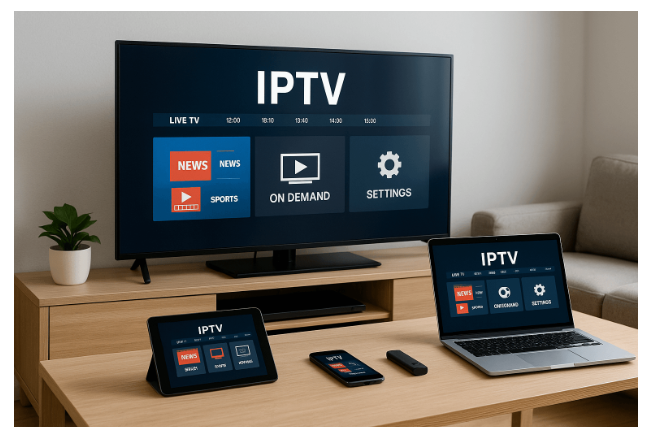
One of the great things about IPTV is that it works on many devices:
Smart TVs
Brands like Samsung and LG support IPTV apps directly.
Streaming Devices
Fire Stick, Apple TV, and Android TV boxes are all compatible.
Mobile Phones & Tablets
Both iOS and Android devices can stream IPTV content.
IPTV Apps
Popular apps include:
- Smart IPTV
- IPTV Smarters Pro
- TiviMate
Each app has its own features, but most offer user-friendly interfaces and quick access to content.
Benefits of Using IPTV
There are several reasons why IPTV has become so popular:
- Cost-Effective: Often cheaper than cable or satellite TV.
- Flexible: Use it on various devices at home or on the go.
- High Quality: Watch in HD, Full HD, or even 4K.
- Massive Content: Access international and local channels, movies, and series.
- No Contracts: Pay month-to-month with no long-term commitments.
Many users in regions like IPTV Danmark find these benefits make the switch from cable a no-brainer.
What You Need to Get Started
Getting started with IPTV is simple:
- A stable internet connection (at least 10 Mbps recommended)
- A device like a Smart TV, smartphone, or streaming stick
- An IPTV app of your choice
- A trusted IPTV subscription
Is IPTV Legal?
Legal vs. Illegal IPTV
- Legal IPTV: Licensed content from official providers.
- Illegal IPTV: Streams content without permission. These may be cheaper but come with serious risks.
Risks of Unofficial IPTV Services
- Poor quality
- Frequent downtime
- Legal consequences in some countries
To stay safe, always choose a legal and reliable IPTV service.
Common Questions
Can I use IPTV without a smart TV?
Yes. You can use streaming devices, tablets, or phones.
Do I need a VPN?
A VPN can offer extra privacy, especially if you travel or access content from other regions.
How many devices can I use?
That depends on your provider, but many allow multiple devices (though not always simultaneously).
Final Thoughts
IPTV is an exciting and flexible way to enjoy television. It gives you more control over what, when, and how you watch. As long as you choose a trustworthy service like Smart IPTV, you’re set for a smooth and enjoyable viewing experience.
Whether you’re in Denmark or anywhere else, IPTV is shaping the future of how we consume media.
