Languages
Tuesday, October 6, 2026



News and Views from the Global South
Africa
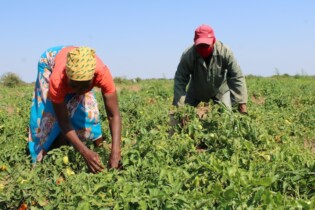
Workers Help Feed the World but Starved of Dignity
A new report reveals widespread labour exploitation among food system workers, warning that keeping the world fed comes at the cost of human dignity.
The Late Arrivals
One night, many years ago now, on a remote beach in the outer islands of Seychelles, I sat in the darkness and watched a green turtle come ashore. She had waited for the heat of the day to leave the sand. Under a sky crowded with stars, she hauled herself slowly above the tideline, dug with a patience no human hand could match, and laid her eggs. Then, in the small hours, she turned back toward the water. She did not hurry. She paused once, as though listening, and then made her slow, unhesitating way down the sand, back to a home older than any I could imagine.
Climate Change Is Becoming a Pregnancy Hazard Worldwide, Survey Finds
Extreme heat is increasingly threatening pregnant women and newborn babies around the world, with almost all maternal health professionals surveyed across five continents saying they have cared for women or infants whose health was affected by high temperatures.
Renewables, Farmer Aggregation Offer Solutions to Africa’s Post-Harvest Losses
Post-harvest losses, particularly in rural areas, threaten the gains Africa is making in agricultural production and export capacity.
SUDAN: ‘It’s Shocking to Be Forced into Silence Simply Because You Are a Refugee’
CIVICUS discusses life as a refugee with an exiled Sudanese civil society activist who has asked to remain anonymous for security reasons.
“The Price of a Narrow Metric: Why Vulnerability Must Count”
From a distance, an island nation can appear to possess everything: pristine waters, a thriving tourism industry and a strong cultural identity. Its income figures may suggest prosperity.
New Ocean Report Warns of Rising Seas, Ocean Heat and Acidification
Fatuma Makame learned to farm seaweed in the shallow water where her parents worked. These days, she grows it farther from shore.
Fragmented Policies Hold Back Agroecology Adoption in Africa’s Congo Basin
Agricultural, land, forestry, environmental and trade policies in the Congo Basin remain compartmentalised at country levels, leaving proven agroecological models trapped at pilot stages due to a lack of advisory services, organic inputs, market outlets and sustainable financing.
Forty Years of the ‘Right to Development’: When Growth Excludes, Is It Still Development?
World leaders have warned that the most vulnerable people have been left behind as the right to development has promised more than it has delivered, with development seemingly the preserve of the superrich and powerful.
Norway’s Development Rethink Should See Ocean Investment as a Strategic Interest
As Norway undertakes Vendepunkt, or “Turning Point,” its reflection on the future of Norwegian development policy, it is critical that oceans remain a priority. Donors around the world are running similar audits, deciding which long-term partnerships to keep, and why. Norway has decades of expertise to offer, but also something significant at stake: healthy and well-governed oceans underpin food, livelihoods and economic activity in partner countries while supporting global seafood supply chains in which Norway itself participates.
The BBNJ Agreement: From Paper to Protection – The Real Test for Global Ocean Governance
After decades in which the high seas were too often treated as a distant frontier—vast, ownerless and beyond meaningful protection—the High Seas Treaty entered into force on 17 January 2026.
When African Smallholders Access Finance, They’ll Show You What’s Possible
I was born in Rwanda, but my family soon became refugees in Uganda during the conflict and unrest on the cusp of independence. My father was a teacher and went to great lengths to make sure I was well educated. My parents were also smallholder farmers, and I saw firsthand the challenges my parents and other refugee families faced.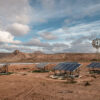
Africa Has the Technology to Achieve Food Security—Now It Needs Coordinated Deployment
Africa is emerging as the world’s fastest-growing technology market, with its innovation ecosystem attracting increasing global investment. The European Investment Bank’s recent €40 million commitment to the sector underscores this growing confidence.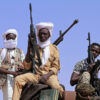
Sudan: Blood on Foreign Powers’ Hands
Sudan’s civil war grinds on. It’s close to three and a half years since the Sudanese Armed Forces (SAF) and the Rapid Support Forces (RSF) militia began their battle for supremacy, and the two forces and their allies continue to slaughter civilians with impunity. As a recent UN report makes clear, the killing is enabled by numerous foreign powers that continue to supply weapons, personnel and logistical support. They have made a civil conflict their proxy war, and their self-interest is sustaining the killing.
Outpacing Foreign Aid, Migrant Remittances Are a Lifeline Ensuring Families Are Fed and Healthy, Says IFAD
Migrants now send home more money than foreign aid, and this is pulling rural families out of poverty, according to the International Fund for Agricultural Development (IFAD).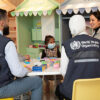
WHO Launches New Global Health Strategy for Childhood Cancer Medications
When a child is diagnosed with cancer, their chances of survival should not depend on where they live, yet according to the WHO, more than 80 percent of children with cancer in high-income countries are cured, compared with fewer than 30 percent in many low- and middle-income countries (LMICs).
ETHIOPIA: ‘Reporting on Abuses Shouldn’t Be Treated as a Threat to National Interest’
CIVICUS discusses renewed conflict and a growing crackdown on independent media in Ethiopia with Yonas Kedir, Editor-in-Chief of the independent news outlet Addis Standard, who was recently abducted and detained by government forces.

African Farmers Demand Affordable Finance as Governments Fall Short on Funding
Agriculture remains underfunded in Africa as governments struggle to deliver on decades-old promises to dedicate 10% of national income to agriculture.
Killing of Environmental Defenders Reflects Power Struggle Over World’s Resources
At least 124 land and environmental defenders were killed around the world in 2025 while protecting forests, rivers, farmland and Indigenous territories, according to a new report by Global Witness that warns violence against activists remains widespread even as recorded killings have declined from previous years.
One Man’s Quest to End Female Genital Mutilation (FGM) in Mali
In Mali, an estimated nine out of ten women and girls have undergone female genital mutilation (FGM). And for years, Sidi Haidara, a father and recognized leader in his community, believed the practice was simply part of life.
Investment in Irrigation Systems Is Vital in Preparing for the Next Climate Shock
When the African continent experiences erratic rains, crops fail, leaving millions of people facing hunger.Next Page » *#*

The Week with IPS

NEXT STOP - SDGs
Tracking global progress towards a sustainable world
Tracking global progress towards a sustainable world
