Monday, October 26, 2026



News and Views from the Global South
Q&A: Ethiopia's Urban Poor Cannot Afford To Eat
Interview with Abera Tola, Director of Oxfam's Horn of Africa regional office
- Ethiopia, a nation of 80 million people, has been the site of famine and drought throughout its tumultuous history. Arising from a myriad of causes and often shepherded along by political instability, the country's 1984-85 famine, for example, left over a million dead and served as the impetus for the fund-raising concerts of Live Aid in the United States and the United Kingdom.
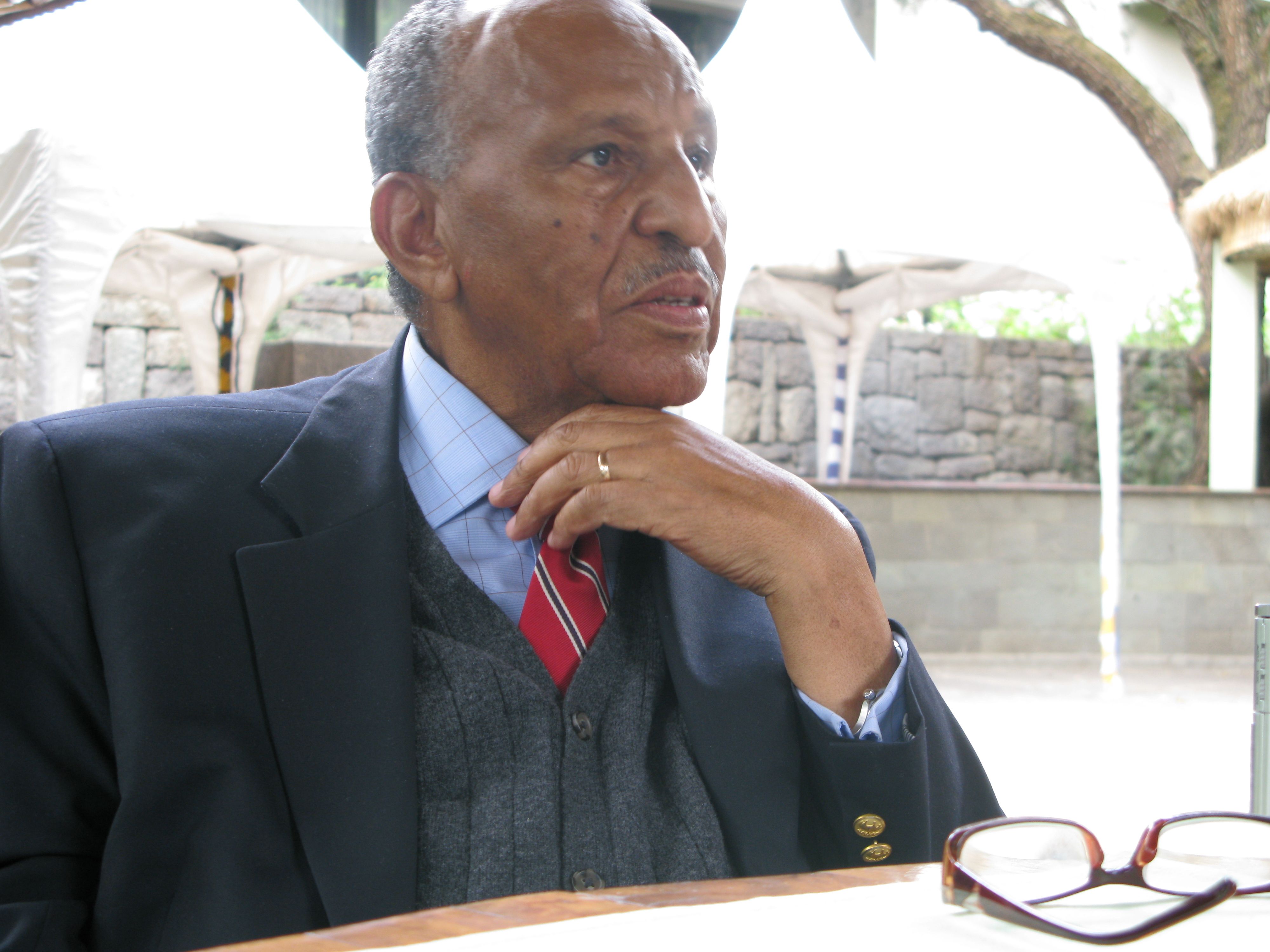
Abera Tola says a lack of infrastructure means a significant portion arable land in Ethiopia is unused. Credit: Hilary Wallis/IPS
IPS correspondent Michael Deibert sat down in Addis Ababa with Abera Tola, Director of the Horn of Africa Regional Office of Oxfam America, to hear his insights as to Ethiopia's latest food crisis.
IPS: Could you describe the current food crisis in Ethiopia?
ABERA TOLA: We have a food shortage, a drought and a famine, all of which are different things. Nationally, we have a food shortage in Ethiopia, which the drought has also exacerbated.
During the harvest time in January and February, the price of maize was only 180 birr ($1 is worth roughly ten Ethiopian birr), but now it is 500 birr. And teff ( a type of grain used to make Ethiopia's distinctive spongy injera bread),was 400 birr in February, and now it is 1000 birr. Who can afford that? This is the big question now.
If you go to Oxfam program areas, you can see that the farmers are ok, at least they have grain and they have something to eat stored away, they can have a surplus to send to the market. But the most affected in this country are really the urban poor, more than the rural poor. The urban poor have to have an income in order to buy grain, but that income is not there. In the city of Addis Ababa, around 4 million people, more than 80 percent, live on less than $1 per day. How can they afford food?
We have seen the government effort distributing maize at a lower price, around 300 birr, but we believe that more has to be done to support the poor.
IPS: How would you characterize the Ethiopian government's efforts thus far in the face of this crisis?
AT: Some actions taken, such as not allowing export of grain, might have helped. Again, you have some maize and wheat in government stores, which they are distributing. There are efforts, these efforts are really appreciated, but more has to be done. More policies have to come out related to food shortage issues. We have arable land in Ethiopia, but what is not there is investment, particularly in the areas of infrastructure. There are no roads, no electricity and investors are not willing to go and do farming. investors are not encouraged to come to Ethiopia and engage in the agricultural sector.
IPS: Hunger is obviously a recurring theme of life in Ethiopia. What do you think are the underlying, fundamental causes of that?
AT: We have to have good polices, strategies to really tackle poverty in Ethiopia. We are living in an area of cyclical drought and food shortages, every year. Last year, we at Oxfam raised $3 million, and the year before we raised the same amount of money, and we are doing that with meagre resources. If there was a government strategy that would address the root causes, we would be more than happy to collaborate with the government.
IPS: Why aren't rural farmers producing food the way they did before?
There are a lot of issues within that. They are producing, but a farmer who owns 2 or 3 hectares produces 20 quintals of teff (1 quintal is equivalent to 100 kilograms), as you can imagine the household in Ethiopia is about 6 or 7. To sustain his household the farmer needs more than half of that. What he can bring to the market is about 5 quintals.
Now, he will not bring the whole 5 quintals to the market at the same time because he has to speculate. Of course there are some social factors which push him to sell during the harvest time. He has to pay for his fertilizer, he has to send his children to school and buy uniforms and exercise books, but after that he will try and keep the rest and wait for the market. And thus the price goes up.
IPS: What do you think is the greatest developmental issue facing Ethiopia today?
Really, again, the food crisis and, by extension, the energy crisis. We are lucky to have electricity today, but tomorrow we don't expect any. Energy meaning not only oil, but in the rural areas where we have 80% of the population, they are using firewood. There, they have to cut trees, and the deforestation of the country is really alarming, it's at about 30 percent now. There should be a policy to stop it. The poor farmers should be helped to plant trees and rewarded for planting trees.
 Print
|
Print
|



Pictures for this story
This story includes downloadable print-quality images -- Copyright IPS, to be used exclusively with this story.