Abstract: The article is devoted to the study of the functions and importance of business analysis in projects for the digital transformation of public services. Using the example of the modernization of the judicial system of Ukraine and the development of a prototype of the national digital platform Diia, the practical application of business analysis methodologies for solving complex problems in the public sector is analyzed. The purpose of the work is to demonstrate that a business analyst is not just a technical specialist, but a strategic intermediary between government institutions, IT developers and end users – citizens. The study examines specific cases, including the creation of analytical frameworks and automation of reporting, which led to an increase in operational efficiency by 20%. The results of the article can be used by government managers and IT project managers to optimize digitalization processes, improve the quality of public services and increase citizen engagement.
The digitalization of public services (e-Government) is a global trend aimed at improving the efficiency, transparency, and accessibility of public administration. According to the United Nations, countries that actively invest in digital services show significant progress in economic development and quality of life. However, the shift from traditional bureaucratic models to digital platforms presents multiple challenges, including rigid legislation, complex inter-agency coordination, and the need to address diverse citizen needs.
In this context, business analysis becomes a key discipline ensuring the success of IT initiatives in the public sector. The goal of this article is to reveal the multifaceted role of the business analyst in digital transformation through emblematic Ukrainian projects — the modernization of the judicial system and the creation of the Diia platform prototype. The professional experience of Nataliia Stashevska, a Certified Business Analysis Professional (CBAP), provides a detailed insight into the methodologies applied and their impact on results.
The concept of e-government has evolved from simple informational websites into complex citizen-oriented ecosystems. Modern frameworks such as Government as a Platform (GaaP) propose a unified technological foundation for diverse public services [4]. Successful implementation depends less on technological breakthroughs and more on reengineering the underlying government processes.
Studies in public administration indicate that most e-Government project failures stem not from technical flaws but from misdefined requirements and weak stakeholder management [5]. This is where the business analyst’s role becomes critical. According to the BABOK® Guide, business analysis is “the practice of enabling change in an enterprise by defining needs and recommending solutions that deliver value to stakeholders” [2]. In the public sector, the “enterprise” is the state institution, and the “value” is improved service quality and accessibility for citizens. Thus, the business analyst acts as a translator — converting the language of legislation and bureaucracy into technical specifications and user scenarios.

In practice, the role of a business analyst in public projects spans the entire lifecycle of an initiative. Since 2008, while serving as a Chief Specialist in the Department of Organizational Support for Courts and Judicial Statistics, Nataliia Stashevska effectively performed business analysis functions in Ukraine’s judicial digitalization project.
Her work included:
- Data analysis and reporting automation.
A framework for analyzing judicial statistics and case flow metrics was created, transitioning from manual data collection to automated systems. This shift reduced labor costs and enabled data-driven decision-making. - Requirements management.
Existing judicial processes were analyzed for subsequent automation in compliance with both legal standards and user needs. Stashevska acted as a “bridge” between judicial institutions and technical teams, ensuring that the new Case Management System aligned with actual business requirements. - Transition management.
Training end users was a vital part of the project. Stashevska designed and conducted training programs for judges and court staff at the Ukrainian Academy of Judges, ensuring a smooth transition to the new system and minimizing resistance to change.
As a result of these initiatives, the operational efficiency of the judicial system increased by 20%.

The success in judicial digitalization laid the groundwork for further participation in national-level projects. In 2015, Stashevska was invited as a consultant to the project for establishing Administrative Service Centers, which later formed the foundation of Ukraine’s national digital services platform Diia. At this stage, she applied business analysis methods to design identity verification workflows and document management systems using cloud technologies.
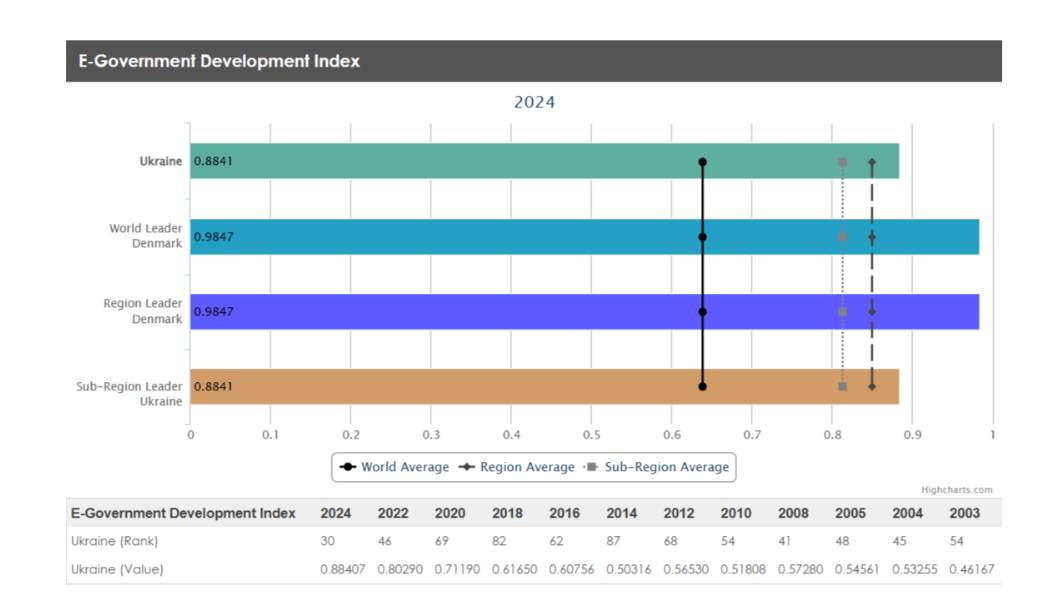
This transition illustrates how the competencies of a business analyst can scale from a single agency to interagency digital ecosystems. Foundational analytical work conducted in complex domains such as judicial processes establishes a methodological basis for transforming other services. The success of Diia — reflected in Ukraine’s high ranking in the UN E-Government Development Index — is largely the result of systematic analytical groundwork laid in earlier projects. Stashevska’s contribution was officially recognized by the Council of Judges of Ukraine for her professionalism and role in strengthening institutional competence.

The analysis of Ukraine’s judicial digitalization and the development of the Diia prototype demonstrates that the function of a business analyst extends far beyond drafting technical documentation. In the public sector, the business analyst serves as an architect of change — ensuring the coherence of transformation efforts from legislative analysis to user experience design and staff training.
A systemic approach combining data analysis, business process modeling, and transition management not only enables successful IT implementations but also delivers measurable outcomes: improved efficiency, reduced costs, and, most importantly, increased public trust and satisfaction. Ukraine’s experience proves that investing in analytical capabilities at early stages of digitalization is a prerequisite for building a truly effective and modern e-government.
References
- E-Government Development Index // United Nations. 2024. URL: https://publicadministration.un.org/egovkb/en-us/Data/Country-Information/id/184-Ukraine.
- A Guide to the Business Analysis Body of Knowledge (BABOK® Guide). Version 3. // International Institute of Business Analysis (IIBA). 2015.
- Mellor, P. The Role of the Business Analyst in Digital Transformation // BCS, The Chartered Institute for IT. 2021. URL: https://mudassiriqbal.net/role-of-business-analyst-in-digital-transformation/
- Brown, A. et al. Government as a Platform: The Foundation for a Changing Government // Innovations Technology Governance Globalization 6(1):13-40. 2011.
- Heeks, R. Understanding e-Government for Development // Information Technology for Development. 2001. Vol. 10, № 3. P. 159–165.