This article explores the evolution of affiliate marketing in the digital age. Drawing on the practical experience of Kostiantyn Shurupov, it examines key changes in working with partners, advertisers, and publishers. The article analyzes the shift from traditional affiliate networks to an ecosystem approach, the use of data and analytics, the integration of social media and bloggers, and the marketer’s role in shaping growth strategies for digital products. Special attention is given to new opportunities and challenges for companies operating in competitive and regulated markets.
Introduction
Affiliate marketing has traditionally been perceived as a tool for direct user acquisition through partner networks. In the early 2010s, it was limited to standard tools — banners, text links, and simple CPA models. The specialist’s role was primarily traffic management and basic reporting.
Over the past ten years, the situation has changed dramatically. Today, affiliate marketing is not a separate channel but part of an ecosystem connecting advertisers, publishers, bloggers, influencers, and technology platforms. Rising competition and the development of digital tools have turned marketers into architects of the entire product promotion system.
Stages of Affiliate Marketing Transformation
- From Networks to Ecosystems
Traditional partner networks were convenient for generating traffic but limited brand capabilities. Modern ecosystems include CRM systems, analytics, content management platforms, automated traffic-buying systems, and entire partner communities.
This allows brands to build not just one-off campaigns but long-term strategies with high customer retention. - Personalization and KPIs
A decade ago, campaign effectiveness was measured by clicks and CPA. Today, key metrics include LTV, retention, engagement, and contribution to brand equity.
Modern systems track user behavior at every stage of the funnel, and affiliate programs have become flexible — KPIs differ for bloggers, media platforms, gaming communities, and niche audiences. - A/B Testing and Creative Optimization
Choosing the right creative is now a critical part of any campaign. Even minor changes in button color or offer wording can impact conversion rates by tens of percentage points.
A/B testing has shifted from an auxiliary tool to a mandatory stage. Experience shows that effective testing can increase conversions by 15–25%. - Social Media and Bloggers as Drivers
The rise of YouTube, Instagram, and TikTok has transformed affiliate marketing. Bloggers and streamers have become full-fledged brand partners. Their audiences trust their recommendations, increasing conversion and building long-term loyalty.
According to HBR (2024), the influence of bloggers on digital sales has doubled over the past five years. - Regulation and Competing in Niche Markets
A particular challenge is working in highly regulated sectors. Open case studies or aggressive advertising are often prohibited. In such contexts, marketers must build strategies around safe channels, carefully select creatives, and balance creativity with legal compliance.
Kostiantyn Shurupov’s experience shows that growth is achievable even in these niches by relying on analytics and long-term partnerships.

New Challenges and Opportunities
The future of affiliate marketing lies in the combination of technology and personalization.
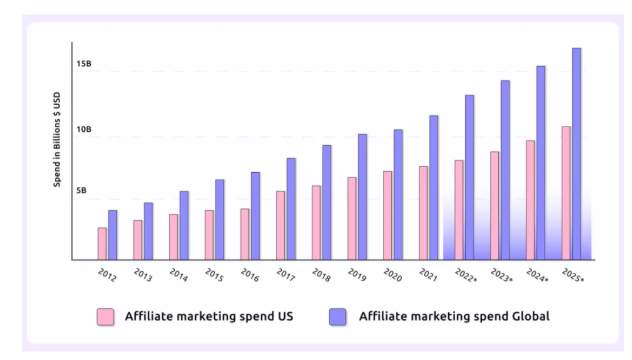
- Market Growth: According to Statista (2024), the global affiliate marketing market has surpassed $17 billion and continues to grow at 7–10% annually.
- Competition for Quality Traffic: Partners increasingly demand transparency and fair revenue sharing, while advertisers expect high returns on investment.
- AI Integration: Artificial intelligence is being used to select creatives, forecast conversions, and personalize offers. PwC (2023) predicts that by 2027, over 60% of campaigns will be optimized by algorithms in real time.
- DTC Models: Brands are increasingly engaging directly with users, bypassing intermediaries. For affiliate marketing, this means a shift toward closer client interaction and direct analytics.
- Sustainability and Social Responsibility: Modern consumers prefer brands that demonstrate transparency and sustainable practices. Marketing campaigns are increasingly focusing on values, not just the product itself.

International Context
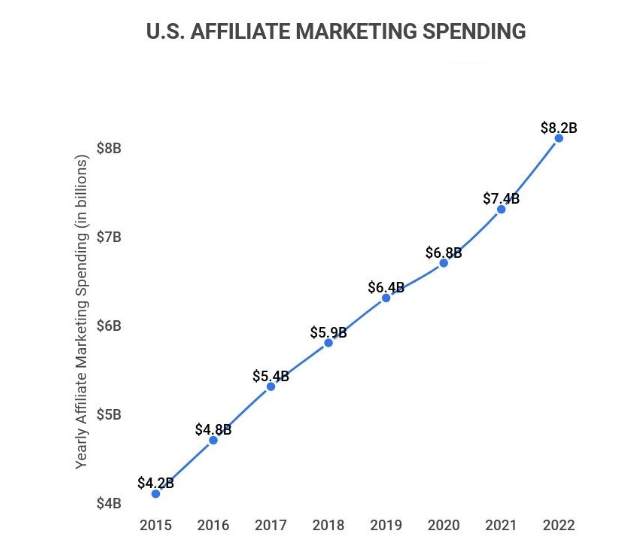
The evolution of affiliate marketing is occurring across all regions. In the United States, the market grew from $5.4 billion in 2017 to over $12 billion in 2023. In Europe, growth is accelerating due to the integration of bloggers and social media, while in Asia, mobile apps and super-apps—where affiliate programs are embedded within ecosystems—are driving expansion.
For companies entering new markets, this means the need to account for local characteristics: in the U.S., the focus is on analytics and big data; in Asia, on mobility; and in Europe, on values and ESG (Environmental, Social, Governance).
Conclusion
The transformation of affiliate marketing demonstrates that it has become not just a standalone tool, but a strategic business direction. The success of campaigns depends on the specialist’s ability to combine analytics, communication, creativity, and strategic planning.
Konstantin Shurupov’s experience confirms that the future belongs to ecosystems, where partnerships are key to sustainable growth. In a highly competitive environment, companies that succeed are those that can build long-term relationships with partners, adapt to change, and leverage new technologies.
Sources
- Statista. Affiliate Marketing Spending Worldwide, 2015–2024.
- McKinsey & Company. The Future of Digital Marketing. (2024).
- PwC. Global Entertainment and Media Outlook. (2023).
- Harvard Business Review. How Influencers Are Changing Marketing. (2024).
- Deloitte. Digital Advertising and Affiliate Trends. (2024).