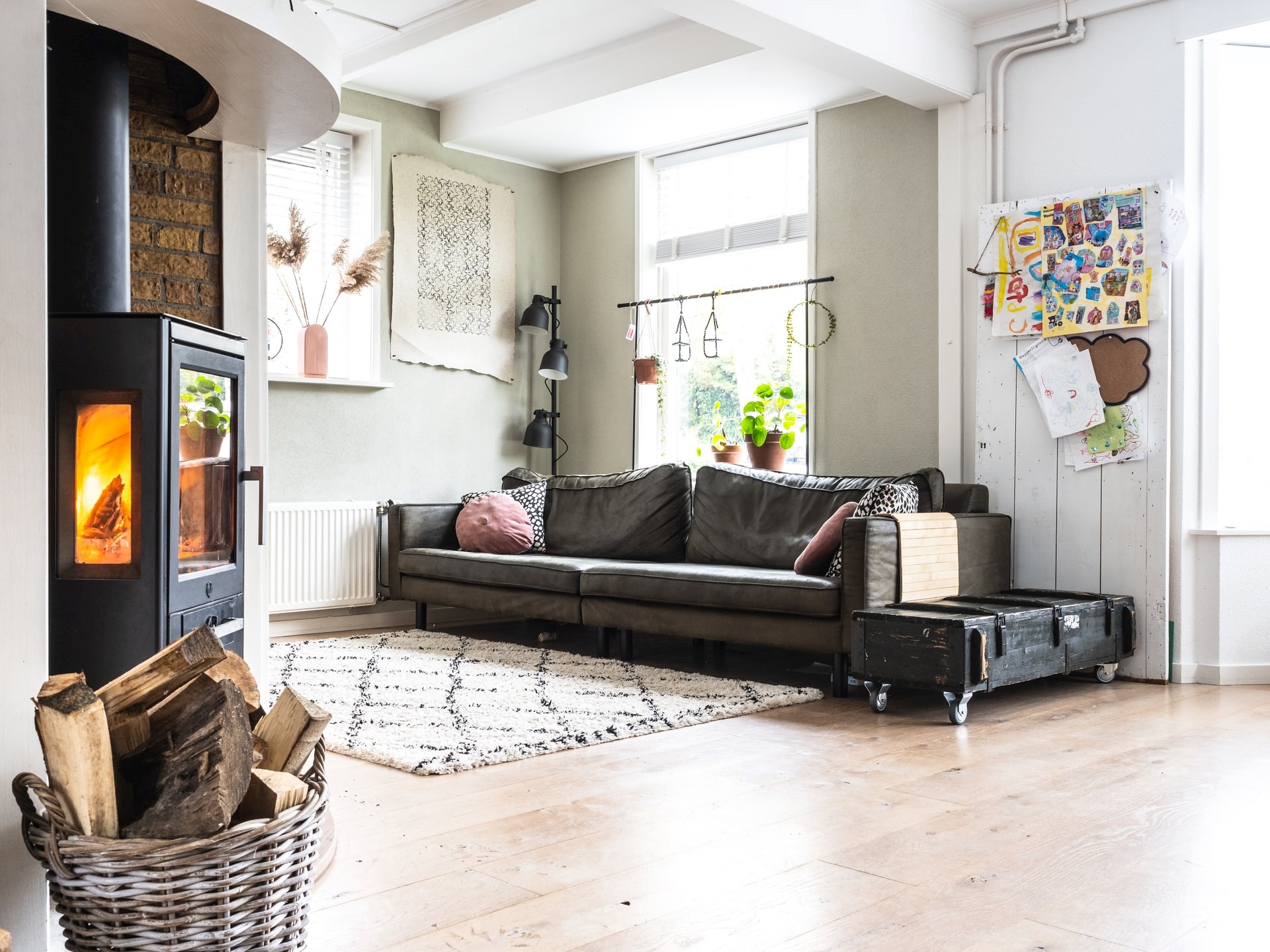

Heating the home to create a cosy environment where you can sit back, relax and shed external stressors forms some of the most fundamental ideas behind the invention and evolution of wood heaters. In fact, wood heaters are still the primary method used in warming modern homes.
A wood heater is designed to burn logs, branches, and twigs from trees. Additionally, it needs two other things: adequate oxygen supply and proper venting for it to work correctly. Once the fire is lit, the heat radiates out through the unit’s steel or cast iron pipes to heat your home. Wood heaters are much cheaper than other heating systems as you can cut down trees as needed to fuel them.
Wood heaters are a popular choice for heating homes. That is because they were the first type of heaters used in the world. The primary difference between the old, soot-filled firepits and more recent, cleaner heaters is the technology used to enhance their functionality. So, it should not be a surprise when you’re looking for a way to heat your home, and you discover that wood-burning appliances still land at the top of the preference heap for most homeowners.
So as you endeavour to select the ideal heating system for your home, consider the benefits of wood heaters, including:
Aesthetic Appeal
The primary advantage of using a wood heater lies in its renown for creating a timeless, inviting atmosphere that truly defines the essence of hearth and home.
Wood burning stoves are a great way to add natural heating and a cozy ambience to your home. Furthermore, they can be the focal point of the room, thus anchoring the overall interior decor and creating a centre point around which other aspects of the space converge and coalesce. Therefore, you provide a wonderful, relaxing environment and gain many health benefits besides.
Cost-Effectiveness
Wood heaters are inexpensive to install and maintain. This added cost benefit arises from the straightforward nature of most heater designs. With these appliances, you do not need to factor in any extra wiring and piping like electric and gas heaters do.
Environmentally Advantageous
Unlike propane, coal and other fossil fuel derivatives, burning wood maintains a very low environmental footprint by producing fewer emissions. The pros of using wood lie in the fact that it is a carbon-neutral fuel. This characteristic is defined by the fact that the carbon dioxide released during wood burning is equivalent to what the tree absorbed before its felling. Therefore, when you use it, you emit fewer harmful greenhouse gases into the atmosphere.
Furthermore, wood is a renewable source of energy. To offset its usage, all you have to do is plant more trees to replace those you cut down.
Heating Capacity
Wood heaters produce a lot of warmth, making them ideal for all home sizes where you want to maintain a comfortable temperature level all day long. In addition, modern wood-burning fireplaces are designed to be significantly more efficient than their predecessors. As a result, you get more heat output per burn than before.
Reliability
Wood pellets are more than just cost-efficient fuels; they are also easy to source and readily available. This boon gives wood heaters an edge over gas and electric types because the fuel supply is more reliable, even in adverse weather.
Choosing the right wood heater can be difficult. And while they are available in all shapes and sizes, what sets them apart is how they use their fuel. So as you are making a selection, you can rest assured that no matter the style that suits you best, a wood heater will be well worth it.