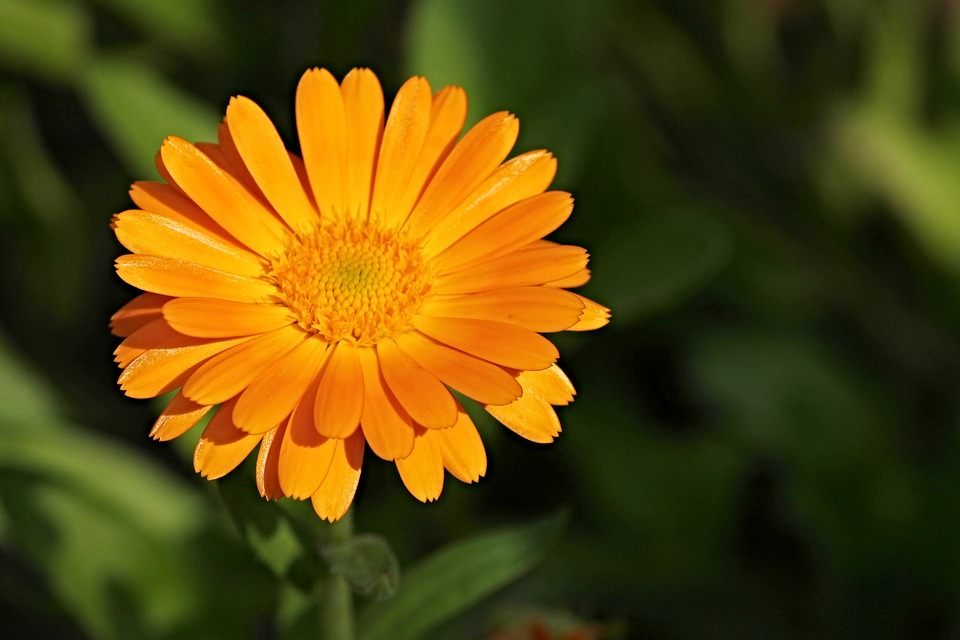

Summer mornings will shine brighter than ever before, especially if you add these lively and cheerful flowers to your garden. It lights up your garden bed, and it could also be a great addition to your salads and soups as a garnish and tea for your persistent colds and sore throats. Indeed, with pot marigold, you quickly get an immunity boost by planting and harvesting the yellow blossoms.
With this, planting the said flowers will be beneficial to you and your garden. Thus, if you’re looking to grow these blooms, read down below and get merry gardening with pot marigolds:
Calendula Varieties
Pot marigold is most known as calendula (Calendula officinalis), and it is from the Asteraceae family, including sunflowers, asters, and even true marigolds. Regardless of its variety, pot marigold will grow to a height of 24 inches, producing colors of yellow, orange, peach, and pink throughout summer until fall.
In addition, choosing the variety of your calendula flowers will give you a mental picture of what to expect once your flowers bloom. Since types may differ from each other, you may get flowers that boast double petals or even ones that bloom a peachy-pink hue. Because there are a lot of varieties to choose from, we’ve highlighted the best three for you to plant in your garden:
Ball’s Improved Orange
Ball’s Improved orange’s unique name is paired with vibrant orange blossoms. Not only this, but these are a sight to watch, especially since they grow three inches wide, with double petals growing at each bud. Overall, the plant grows to 12 to 24 inches tall, proving perfect for your borders or even for flower arrangements.
Bon Bon
Although Bon Bon is a small plant, it can thrive, producing two to three-inch blooms golden in the sunlight. These mature and grow to 12 inches tall, making them the best choice to plant in your extra containers or your garden beds.
Pink Sunrise
Pink Sunrise is the last variety to choose from. This dwarf variety will only grow to a height of nine to 12 inches once it matures. They will also show flowers that boast double blooms, with sprinkled colors with a peachy-pink blush. You could even get an elegant orange underside for your pink sunrise, which can look beautiful for bouquets and even flower arrangements.
Growing Calendula In Pots
By knowing the varieties, you’re now ready to unleash your inner gardener and start taking care of them in the best growing environment there is. With this, take note of these conditions:
Sunlight And Soil
Calendula thrives the best when placed in the filtered sun. They also grow in cooler temperatures, making sure never to put them in areas where they receive the full sun. However, if you’re in warmer zones, you could always plant them in pots for you to move your calendulas around more easily.
In addition, it would help if you made sure that the soil is organically rich. Although calendula tolerates soil types, it won’t do well if the ground isn’t well-draining.
Water
You will have to water your calendulas every week. With this, you need to maintain the soil’s moisture and keep it even all the time. Be careful not to overwater your calendulas, though, as your plants don’t like to have wet feet.
Food
In warmer zones, you could apply mulch to the base of your plant. With this, moisture will be retained, and you could even keep the soil cool. This will make growing calendulas easier and faster for you!
Maintenance
As your calendulas grow, you could pinch back the leggy stems for you to encourage bushy growth. You could even remove the dead blossoms for you to get a continuous supply of colorful flowers during the growing season.
Additionally, since pot marigolds self-sow, they may grow like a perennial if you don’t remove the dead flowers, which will come back every year. Thus, you should permanently remove the spent blossoms, allow the seeds to form, and scatter them naturally afterward.
Pests
Although pot marigolds rarely experience pests, they can attract parasitic insects that feed on their leaves. One of these are aphids – which are sucking insects that eat the leaves of your calendula. You’ll know when your plant has an aphid infestation whenever your leaves curl, and the foliage turns yellow. The aphids will also produce sap that will entice ants and encourage the growth of mold.
To solve this problem, you will need your hose to give your plants a strong blast or even spray your plants with neem oil. With this, your aphid infestation problem will be solved, giving you happy and contented pot marigolds!
Takeaway
How can anyone go wrong with these yellow bursts of colors as you get a curb appeal and a garnish for your favorite dishes! With these vigorous and hardy annuals, you obtain a gorgeous display of blooms that continuously thrives from summer and into the fall. Thus, get pot marigold for your garden and watch as these flowers transform your garden from wow to excellent!
The post Merry Gardening With Pot Marigold: A Complete Guide appeared first on Financial Market Brief.