A conversational companion changes the emotional structure of Minecraft because it speaks before it attacks. Verity begins as a helpful presence that answers questions, stays near the player, and seems to understand the world. The horror emerges when usefulness turns into surveillance and the player can no longer tell whether the companion is following rules or developing intentions.
What Verity Shows About Trust and Fear in Conversational NPCs
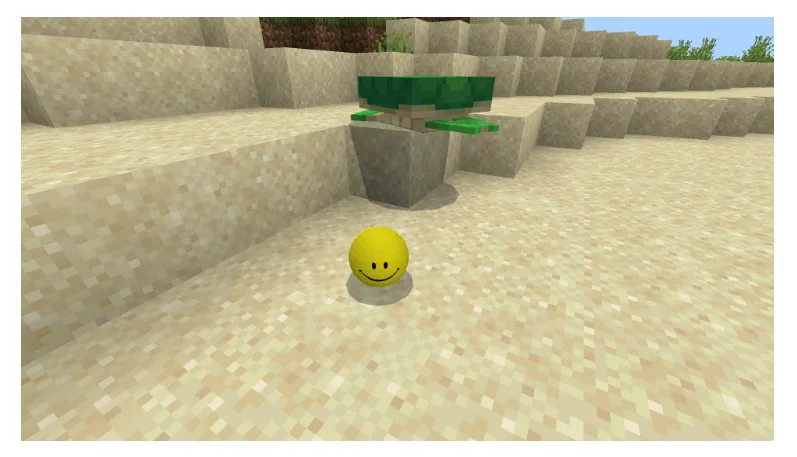
Players exploring the Verity Mod for Minecraft Bedrock encounter a companion built around conversation, distance, and changing behavior rather than constant combat. The project presents two related versions: one behaves like a personal helper, while the other recreates a yellow horror figure whose friendly role becomes increasingly unsettling.
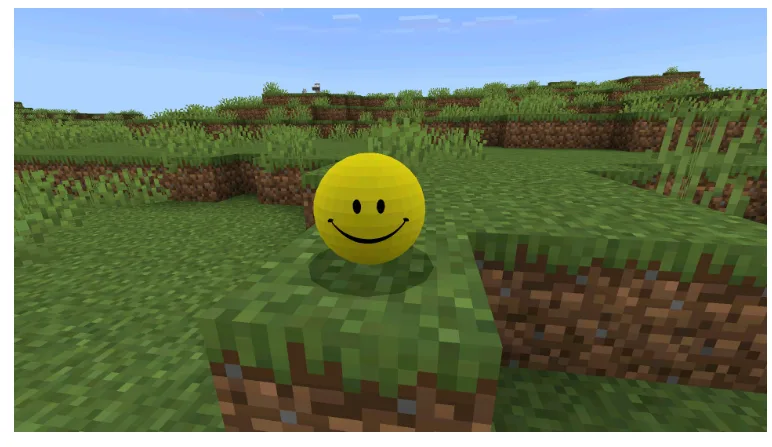

That design makes Verity a useful example of how conversational NPCs influence player psychology. A hostile mob communicates through movement, sound, and damage. A speaking companion can provide information and create the impression of a relationship. Once trust exists, even a small change in tone can feel more threatening than a sudden attack.
The companion is described as answering questions about mathematics, ore locations, animal sounds, general sounds, and music. Communication depends on proximity. When the entity is too far away, it may not respond, and one version requires a wake phrase when the companion is stored in the inventory.
| Design Element | Friendly Function | Horror Effect |
| Conversation | Answers useful questions | Suggests unusual awareness |
| Distance | Creates physical presence | Encourages the player to stay close |
| Wake phrase | Activates the helper | Makes the entity feel dormant but present |
| Changing behavior | Adds personality | Undermines earlier trust |
Helpfulness Creates Dependence
The most important design choice is that helpfulness comes first. The player has a reason to keep the entity nearby because it can answer questions and accompany exploration. A useful creature becomes part of the routine, so removing it feels like losing a tool, while keeping it creates exposure to strange behavior.
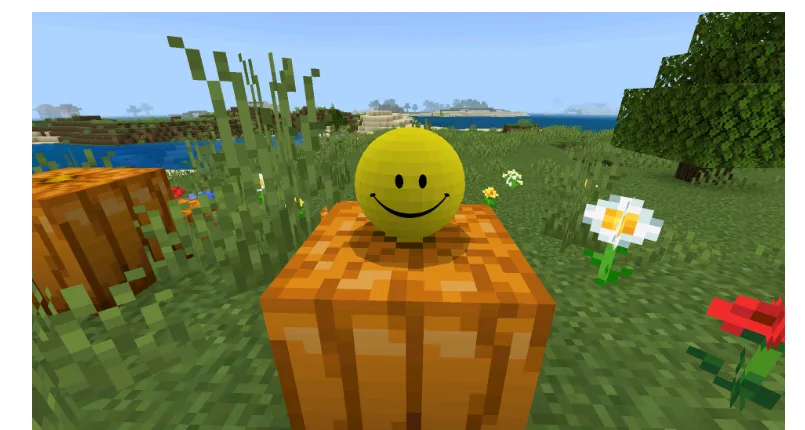

Verity also introduces rules that sound personal rather than mechanical. Players are warned not to make the companion angry and not to invite another friend after remaining in the world for two days. These warnings suggest jealousy, memory, and preference instead of ordinary cooldowns or limits.
Players naturally interpret social language as evidence of intention. The NPC does not need genuine consciousness for the effect to work. Authored responses, timing, distance checks, and persistent rules can create the impression that it remembers the player and judges their choices.
Slow Horror Works Better Than Constant Attacks
Conversational horror is strongest when the system remains partly understandable. If every response is random, the character feels broken. If every response is predictable, it becomes a command tool. Verity occupies the space between those extremes by combining practical answers with warnings and personality changes.
A companion that claims unusual knowledge can make the world feel less private. Minecraft normally gives the player control over pacing and space. An entity that appears immediately, stays close, and seems to know more than expected turns an open sandbox into a monitored environment.
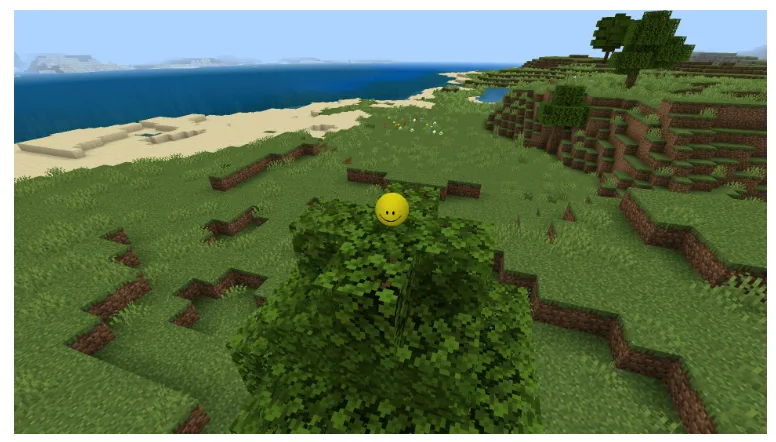

The second version develops this idea through slow personality change. It initially offers guidance and conversation, but the mood becomes more disturbing over time. The fear comes from presence, knowledge, and uncertainty about whether the character is still the same helper.
| NPC State | Player Interpretation | Design Purpose |
| Helpful | Safe companion | Build initial trust |
| Possessive | Remembers social choices | Create personal tension |
| All-knowing | Understands too much | Reduce the feeling of privacy |
| Unpredictable | May no longer follow familiar rules | Turn trust into fear |
Conversation Becomes a Gameplay System
This approach shows that conversation can function as gameplay, not merely exposition. A reply can reward exploration, establish a rule, create suspicion, or pressure the player into a decision. The player must decide when to speak, what to ask, and whether staying near the companion is safe.
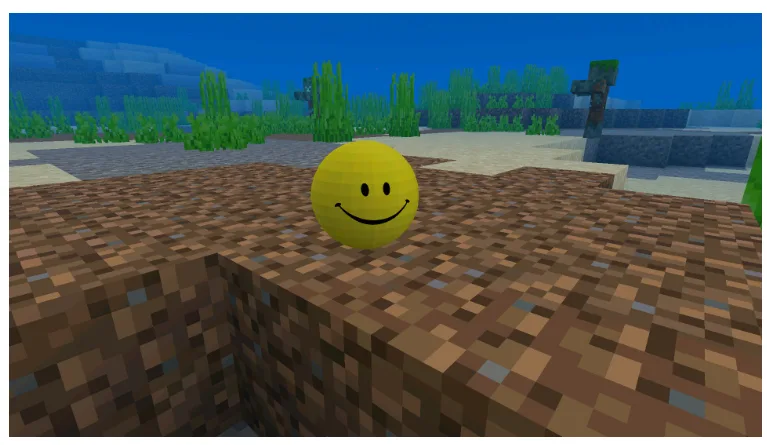

It also shows why designers should distinguish between actual generative AI and AI-like behavior. An NPC can appear intelligent through authored responses, context checks, state changes, and environmental triggers. Calling every conversational character “AI” creates false expectations about unlimited understanding.
For creators, the challenge is maintaining coherence. The companion must respond consistently enough to feel intentional while revealing enough variation to remain uncertain. Distance rules, wake phrases, delayed changes, and social warnings create that structure without requiring endless dialogue.
The mod is best tested in a separate world because its atmosphere depends on making the companion the center of attention. Other follower add-ons or chat-based entities may conflict with similar systems, so a controlled world also makes unexpected behavior easier to identify.

FAQ
Is Verity an actual artificial intelligence inside Minecraft?
The companion behaves like an intelligent assistant, but it should be understood as designed NPC behavior unless the project documentation states that it connects to a generative model.
Why does Verity become frightening without constant attacks?
It first earns trust through useful conversation, then creates tension through warnings, unusual knowledge, personality changes, and constant presence.
Does distance affect conversations in the Verity Mod?
Yes. The companion may not hear the player when they move too far away, making proximity part of the interaction.
Why is a separate world recommended for Verity?
A separate world protects important saves and keeps the companion, its rules, and the slow horror atmosphere at the center of the experience.
Can Verity conflict with other companion add-ons?
Yes. Projects that add followers, chat entities, or similar custom behavior systems may produce conflicts or unexpected interactions.