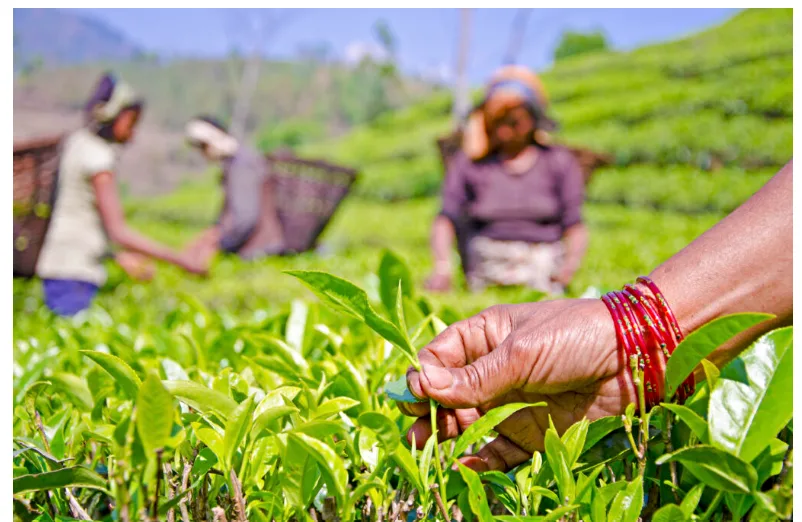

Tea has been part of human culture for centuries, connecting communities, traditions, and generations across the world. From ancient tea gardens in China’s mountain regions to small family farms across Asia and beyond, tea production has always been closely linked with nature and human knowledge.
Today, as global consumers become increasingly interested in sustainability and ethical agriculture, the conversation around tea is changing. The focus is no longer only on taste, quality, or variety. More people are beginning to ask deeper questions: Who grows the tea? How are farmers supported? What challenges do tea-growing regions face? And how can the industry protect the landscapes that make tea possible?
Sustainable tea sourcing seeks to answer these questions by recognizing that every cup of tea represents a relationship between farmers, ecosystems, traditions, and global markets.
Traditional Tea Regions and Their Cultural Importance
Some of the world’s most respected tea-producing areas have developed over generations through a combination of favorable climates, rich soils, and agricultural expertise. Regions in China, India, Japan, Sri Lanka, and other tea-producing countries have created unique tea identities shaped by local environments and cultural practices.
In many traditional tea regions, farming is more than an economic activity. It is a way of life passed from one generation to another. Families often preserve knowledge about planting methods, harvesting periods, and processing techniques that have been refined over hundreds of years.
China’s tea-growing regions, for example, are known for their deep connection between land and craftsmanship. Mountain landscapes, seasonal changes, and traditional farming methods have contributed to the development of diverse tea cultures that remain important today.
However, these historic regions are facing new challenges. Environmental changes, economic pressures, and shifting consumer expectations are creating uncertainty for many farming communities.
Climate Change and the Growing Pressure on Tea Farming
Climate change has become one of the most significant challenges affecting agriculture worldwide, and tea farming is no exception. Tea plants require specific environmental conditions, including suitable temperatures, rainfall patterns, and soil conditions.
Changes in weather patterns can influence harvest seasons, plant growth, and the overall quality of tea leaves. Unpredictable rainfall, longer periods of drought, rising temperatures, and extreme weather events can create serious difficulties for farmers who depend on stable growing conditions.
For small-scale tea farmers, these challenges can be especially difficult. Many farmers operate on limited land and have fewer resources available to adapt quickly to environmental changes.
Some communities are responding by exploring more sustainable farming methods, including improved water management, soil protection, biodiversity preservation, and agricultural techniques designed to increase resilience.
These approaches require investment, education, and cooperation among farmers, researchers, governments, and businesses. Sustainable tea production is not a short-term solution but a long-term commitment to protecting both people and the environment.
The Essential Role of Small-Scale Tea Farmers
Behind every tea harvest are farmers who dedicate years of knowledge and effort to cultivating the plants that supply the global market. Many of these farmers work in small agricultural communities where tea production supports families and local economies.
Small-scale farmers often possess valuable traditional knowledge that cannot easily be replaced by industrial methods. Their understanding of local weather patterns, soil conditions, and plant behavior plays an important role in maintaining tea quality and protecting agricultural ecosystems.
However, these farmers frequently face challenges related to market access, production costs, and changing environmental conditions. Responsible sourcing practices aim to create stronger connections between farmers and consumers while ensuring that producers receive greater recognition for their contribution.
Supporting small-scale agriculture also helps preserve rural communities and cultural traditions. When sustainable farming practices are encouraged, they benefit not only current farmers but also future generations who depend on these landscapes.
Responsible Sourcing and Transparency in the Tea Industry
Responsible sourcing has become an important part of discussions about the future of tea. It focuses on creating supply chains that consider environmental protection, farmer welfare, and long-term agricultural sustainability.
Transparency allows consumers to better understand where their tea comes from and the journey it takes before reaching their homes. Knowing the origins of tea can help people appreciate the effort involved in cultivation, harvesting, and processing.
Some tea organizations and companies are working to promote greater awareness of traditional tea practices and the importance of responsible sourcing. For example, brands that focus on authentic tea traditions, such as NPTEA, emphasize the connection between tea culture, craftsmanship, and origin, including the heritage associated with Chinese loose leaf tea.
While individual companies have different approaches, the broader movement toward transparency reflects a growing recognition that sustainability depends on cooperation throughout the entire tea supply chain.
Protecting Traditional Knowledge in a Changing World
Tea production is not only about agriculture; it is also about preserving cultural knowledge. Many traditional tea-making techniques have survived because communities have carefully protected them over generations.
Hand harvesting, natural cultivation methods, and specialized processing techniques are examples of practices that reflect deep relationships between farmers and their environments.
As modernization continues to influence agriculture, maintaining these traditions requires careful balance. Technology and innovation can help farmers respond to climate challenges, but preserving cultural knowledge remains equally important.
A sustainable future for tea does not mean replacing traditional methods. Instead, it means combining valuable heritage with responsible approaches that help farming communities adapt to changing conditions.
How Global Consumers Can Better Understand Their Tea
Consumers around the world play an important role in shaping the future of tea. By becoming more aware of tea origins and production methods, they can develop a stronger connection with the people and places behind their daily beverages.
Understanding tea means looking beyond packaging and recognizing the farmers, landscapes, and traditions involved in production. Every cup carries a story that begins in agricultural fields and continues through generations of expertise.
Consumers can support sustainability by valuing transparency, learning about different tea-producing regions, and appreciating the work involved in responsible farming.
A greater connection between consumers and producers can encourage a more respectful tea industry where quality, environmental responsibility, and human useffort are equally valued.
Building a Sustainable Future for Tea
The future of tea depends on protecting the relationship between people and nature. Farmers need support to adapt to climate challenges, traditional regions need protection, and consumers need access to information about the origins of their tea.
Sustainable tea sourcing represents a broader vision for agriculture—one where environmental protection and human communities are considered together.
Tea has survived for thousands of years because people have cared for the land and preserved knowledge across generations. Protecting this heritage requires continued attention, collaboration, and responsibility from everyone involved.
Every cup of tea is connected to a landscape, a farmer, and a tradition. By recognizing the people and environments behind tea production, the global community can help ensure that this timeless beverage continues to thrive for generations to come.
Media Contact
For additional information about NaturePureTea’s premium Oolong Tea Collection, product updates, and company announcements, please visit:
Website: naturepuretea.com