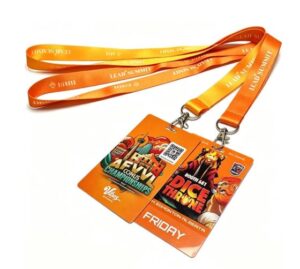

NFC cards, short for Near Field Communication cards, are a revolutionary technology that has transformed the way we interact with various devices and systems. These cards use electromagnetic fields to enable communication between two devices in close proximity, typically within a few centimeters.
How NFC Cards Work
NFC technology is based on radio – frequency identification (RFID). NFC cards contain a small chip and an antenna. When an NFC – enabled device, such as a smartphone or a card reader, comes close to the NFC card, an electromagnetic field is created. This field powers the chip on the card, rfid blocking card holder allowing it to send and receive data. The data transfer occurs at a frequency of 13.56 MHz, which is a standard frequency for NFC communication. The communication can be either passive, where the card has no power source and relies on the field from the reader, or active, where both the card and the reader have their own power sources.
Applications of NFC Cards
One of the most common applications of NFC cards is in contactless payment systems. Many banks now offer NFC – enabled debit and credit cards, which allow users to make payments simply by tapping their cards on a payment terminal. This is not only convenient but also reduces the risk of fraud as the card does not need to be inserted into a machine. NFC cards are also used in access control systems. For example, in office buildings, employees can use NFC cards to gain entry, replacing traditional key cards. Additionally, NFC cards can be used for public transportation. Commuters can tap their NFC – enabled cards on the fare gates, making the boarding process much faster.
Advantages of NFC Cards
One of the main advantages of NFC cards is their convenience. They eliminate the need for physical contact, which is especially useful in a world where hygiene is a major concern. NFC cards are also very secure. The data transferred between the card and the reader is encrypted, protecting it from unauthorized access. Moreover, NFC technology is widely adopted, and most modern smartphones support NFC, making it easy for users to integrate NFC – based services into their daily lives.
Limitations and Challenges
Despite their many advantages, NFC cards also have some limitations. The range of NFC communication is very short, usually only a few centimeters. This means that the card and the reader need to be in close proximity for the communication to work. Additionally, there may be compatibility issues between different NFC – enabled devices and systems. Some older devices may not support NFC, and different manufacturers may use slightly different protocols, which can lead to problems during data transfer. However, as technology continues to evolve, these issues are likely to be addressed.
Types of Lenticular Cards
There are several types of lenticular cards, each with its own characteristics. One common type is the flip card, which shows two or more distinct images that change when the card is tilted. Another type is the animation card, where a sequence of images creates the appearance of movement, similar to a short video. 3D lenticular cards, on the other hand, give the impression of depth, making the objects on the card seem to pop out. These different types offer a variety of creative possibilities for designers and users.
Applications of Lenticular Cards
Lenticular cards have a wide range of applications. In the advertising industry, they are used to create eye – catching promotional materials. The unique visual effects can attract consumers’ attention and make the brand stand out. In the collectibles market, lenticular cards are highly sought after by collectors. They can feature popular characters from movies, comics, or sports, adding an extra element of excitement. Additionally, they are also used in educational materials to make learning more engaging, as the dynamic images can help students better understand complex concepts.
Design and Production of Lenticular Cards
Designing a lenticular card requires a combination of artistic skills and technical knowledge. Designers need to create the individual images that will be used in the card and ensure they are properly aligned with the lenticular lens. The production process involves printing the images on a high – quality substrate and then attaching the lenticular lens. Precision is crucial during this process to ensure the best visual effects. With the advancement of technology, digital printing has made it easier and more cost – effective to produce lenticular cards, allowing for greater creativity and customization.
In conclusion, lenticular cards are a remarkable innovation that combines art and technology. Their unique visual effects make them a popular choice for various applications, from advertising to collectibles. As technology continues to evolve, we can expect to see even more amazing and creative uses of lenticular cards in the future.
The post An Introduction to NFC Cards appeared first on PHIMDACAP.COM.