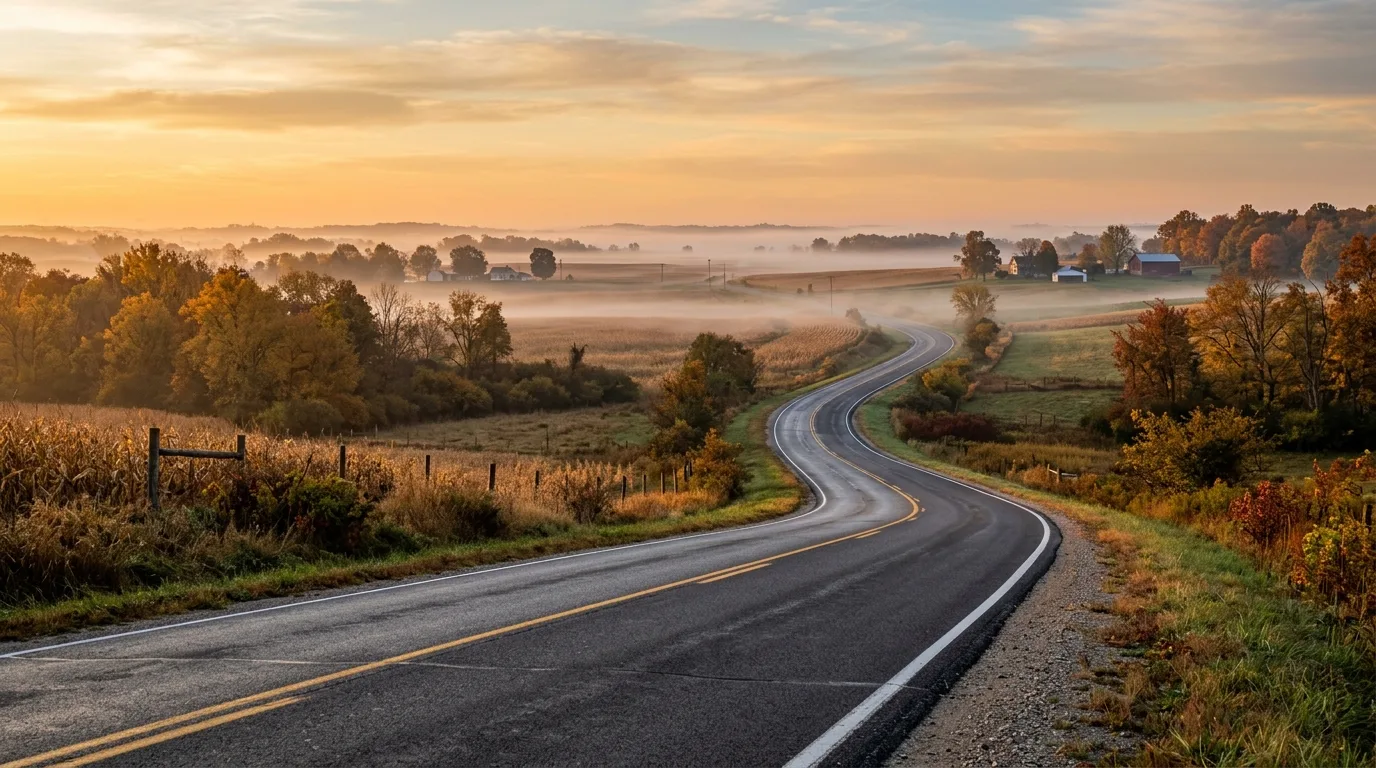

Midwest travel is changing. Travelers who once moved between major cities by air are increasingly building road trips that link Indianapolis, Cincinnati, Louisville, and Chicago into a single, slower journey.
Short-term rentals have made that shift practical. Multi-night stays in residential neighborhoods cost less than equivalent hotel runs and put visitors closer to the local rhythm of each stop.
The Shape of a Midwest Itinerary
A typical loop now starts in one anchor city, spends three or four nights there, then moves on by car. Drive times between most Midwest hubs land under four hours, which makes a single afternoon enough to switch bases.
The longer per-city stay changes what travelers actually do. Instead of rushing through marquee attractions, visitors take quieter mornings, eat where locals eat, and use neighborhoods as a base for short day trips.
Why the Format Works in the Midwest
The region is built for this kind of travel. Cities are spaced just far enough apart to feel distinct, but close enough to combine without long flights or layovers. Highways are generally uncrowded, and parking remains affordable in most downtowns.
Travelers planning these trips often turn to platforms offering short-term rental properties across the Midwest as a way to standardize the experience across cities while keeping each stop residential rather than transient.
Practical Planning Notes
Book the first and last legs furthest in advance. Mid-itinerary stays often have more flexibility, and prices can drop as the booking date approaches, particularly for Sunday through Thursday windows.
Match the size of the rental to the group rather than the city. A four-person trip rarely needs four bedrooms, and right-sizing keeps costs reasonable across a longer itinerary.
The Remote Work Effect
A meaningful share of these multi-city trips now include working days. Travelers extend a vacation by three or four weekdays, working from the rental in the morning and exploring in the afternoon. The pattern has accelerated since 2023.
Rental hosts have adapted. Reliable internet, dedicated workspace, and clear quiet hours have moved from nice-to-have to standard for properties that want to attract longer stays. Hosts that document upload speeds and noise levels tend to convert better on listings.
What This Means for Travelers
The multi-city Midwest trip is no longer a niche format. It works for couples, families, and remote workers extending vacation into a slower regional tour. The format also tends to spread spending across local businesses rather than concentrating it in one hotel block.
For travelers willing to plan a few weeks ahead and trade air time for car time, the Midwest now reads as one connected region rather than a scatter of separate destinations. It is a quieter way to see the country, and it puts more of the trip into the places themselves rather than the spaces between them.