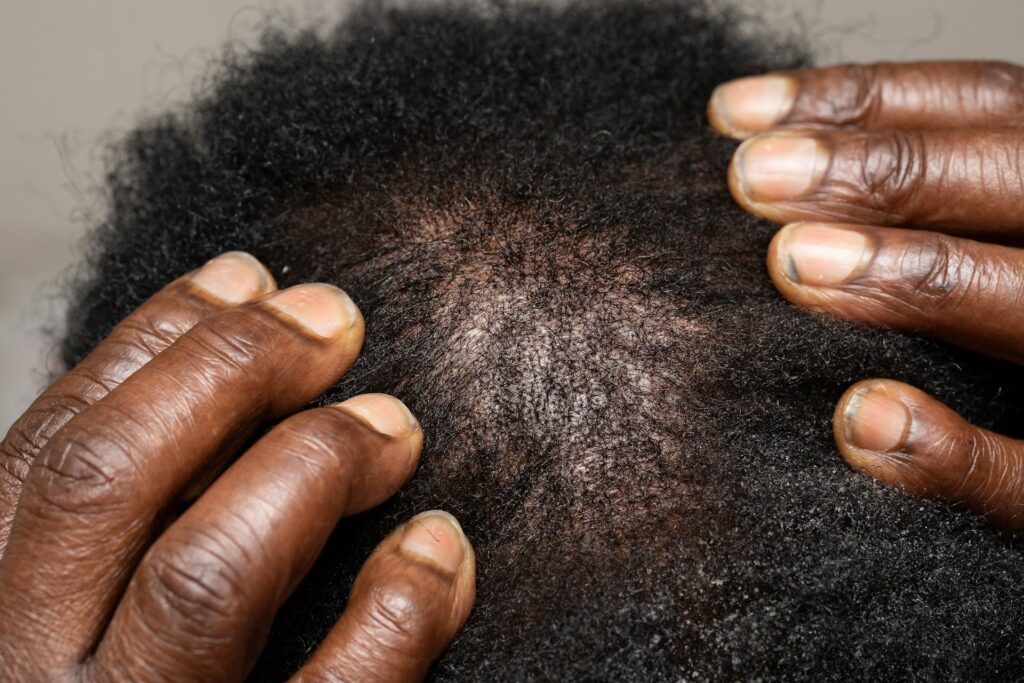

Hair loss is a concern that affects millions of people, regardless of age or gender. While losing some hair each day is a natural part of the hair growth cycle, noticeable thinning or bald spots can feel alarming. The good news is that not all hair loss is permanent.
Depending on the underlying cause, many people can slow, stop, or even partially reverse hair loss with the right approach. Understanding what causes hair loss and how different treatments work is the first step toward healthier, fuller-looking hair.
What Causes Hair Loss?
Hair loss can happen for a variety of reasons, making it important to identify the root cause before choosing a treatment. Genetics remains the most common factor, particularly in cases of male and female pattern baldness. This type of hair loss develops gradually as hair follicles become smaller over time.
Other common causes include hormonal changes, stress, pregnancy, certain medications, thyroid disorders, autoimmune conditions, and nutritional deficiencies. Temporary hair shedding can also occur after major illness, surgery, or emotional stress. Fortunately, many of these causes can be addressed, allowing hair to gradually recover once the underlying issue is resolved.
Can Hair Actually Grow Back?
The answer depends on the condition of the hair follicles. If follicles remain healthy and active, new hair growth is often possible. Temporary shedding caused by stress or nutritional deficiencies frequently improves once the triggering factor is corrected.
However, if hair follicles have been permanently damaged or replaced by scar tissue, regrowth becomes much more difficult. This is why early intervention is so important. The sooner hair loss is evaluated and treated, the better the chances of preserving existing hair and encouraging new growth.
Even when a complete reversal isn’t possible, many treatments can significantly slow progression and improve hair density.
Medical Treatments That Can Help
Several clinically supported treatments are available for people experiencing hair loss. Topical medications can stimulate hair follicles and extend the active growth phase of hair. Oral prescription medications may also help reduce hormone-related hair loss in certain individuals.
In recent years, procedures such as platelet-rich plasma (PRP) therapy, low-level laser therapy, and hair transplantation have gained popularity. These treatments target different aspects of hair growth and may be recommended depending on the severity and cause of hair loss.
A dermatologist or healthcare provider can determine which option is most appropriate after evaluating your scalp and medical history.
The Role of Nutrition in Hair Health
Healthy hair starts from within. Hair follicles require a steady supply of nutrients to produce strong, resilient strands. Deficiencies in iron, zinc, vitamin D, protein, or certain B vitamins may contribute to increased shedding or slower growth.
Eating a balanced diet rich in lean proteins, fruits, vegetables, healthy fats, and whole grains helps provide the building blocks needed for healthy hair production. Some individuals also choose to include hair growth gummies alongside a nutritious diet, particularly if they struggle to meet their nutritional needs through food alone. Hydration also plays a supporting role, as healthy scalp tissue depends on proper moisture and circulation.
Lifestyle Habits That Support Hair Growth
Everyday habits can make a meaningful difference in maintaining healthy hair. Chronic stress can push more hairs into the shedding phase, so stress management techniques like regular exercise, meditation, and adequate sleep may support healthier growth.
Gentle hair care is equally important. Excessive heat styling, harsh chemical treatments, and tight hairstyles can damage hair shafts and place unnecessary stress on follicles. Choosing mild shampoos, avoiding excessive brushing, and minimizing heat exposure can help reduce breakage.
Smoking cessation may also improve circulation throughout the body, including the scalp, potentially supporting healthier follicles over the long term.
Setting Realistic Expectations
Hair regrowth rarely happens overnight. Since hair typically grows about half an inch per month, visible improvements often require patience. Most treatments take several months before noticeable results appear, and consistency is key.
It’s also important to remember that successful treatment doesn’t always mean restoring every lost strand. In many cases, the primary goal is to slow further loss while improving thickness and overall hair quality. Taking progress photos every few months can help track subtle improvements that may otherwise go unnoticed.
Taking the First Step Towards Healthier Hair
In many situations, the answer is yes, hair loss can be reversed, at least to some extent. Whether hair grows back depends largely on the cause of the loss, how early treatment begins, and the overall health of the hair follicles.
Temporary shedding caused by stress, nutritional deficiencies, or hormonal changes often improves once the underlying issues are addressed, whereas genetic hair loss may require ongoing treatment to maintain results. A combination of medical guidance, healthy lifestyle choices, proper nutrition, and supportive products may help create the best environment for healthier hair growth.
Although there is no universal solution, today’s growing range of treatment options offers more hope than ever before. Consulting a qualified healthcare professional can help determine the most effective strategy for your specific situation, allowing you to take proactive steps toward stronger, fuller, and healthier-looking hair with confidence.