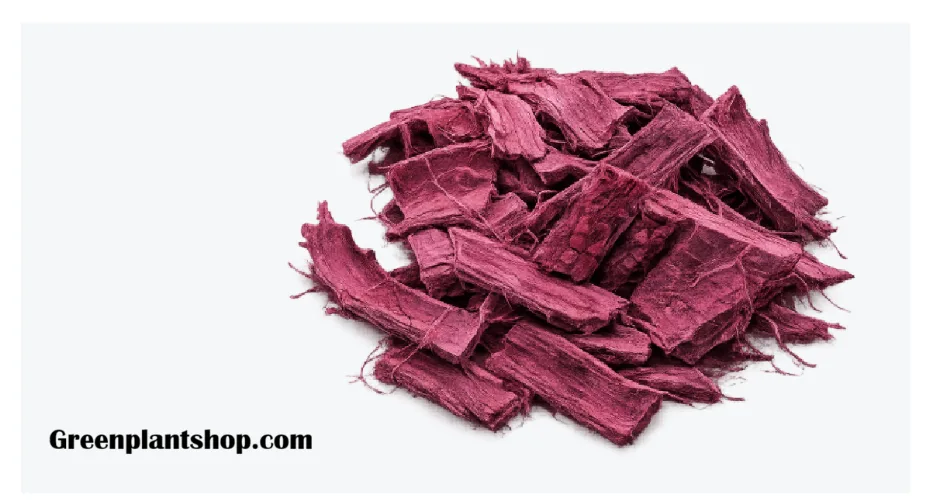

Mimosa Hostilis Root Bark has earned a respected place among ethnobotanical researchers, educators, and botanical enthusiasts seeking premium-quality plant materials for legitimate study purposes. Valued for its rich botanical profile, vibrant coloration, and historical significance, this remarkable natural resource continues to attract individuals interested in authentic and ethically sourced botanical study materials.
As demand for MHRB Mexican Root Bark continues to grow, researchers increasingly prioritize products that demonstrate purity, consistency, traceability, and sustainable cultivation practices. Whether used as educational root bark, research botanical root, or part of traditional ethnobotanical investigations, quality remains the defining factor that separates premium products from inferior alternatives.
This complete guide explores everything essential to understanding Mexican Mimosa Hostilis, from its origins and cultivation to sustainable sourcing practices and research applications.
Understanding Mimosa Hostilis Root Bark
Known botanically as Mimosa tenuiflora, Mimosa Hostilis is a perennial tree native to regions of Central and South America. The species thrives particularly well in environments with warm temperatures and well-drained soils.
The inner root bark has become especially sought after because of its distinctive characteristics:
- Deep purple to reddish coloration
- Naturally occurring botanical compounds
- Strong ethnobotanical history
- Exceptional stability when properly stored
- Suitability for educational and botanical study
Researchers looking to buy Mimosa Hostilis Root Bark Mexican often seek suppliers capable of delivering products that preserve these natural characteristics without compromise.
The Historical and Cultural Significance of Jurema Preta Mexican Root
For generations, indigenous communities have recognized the importance of Jurema Preta Mexican Root within traditional ethnobotanical practices. Historical documentation highlights its role in cultural ceremonies, plant education, and botanical understanding.
Modern researchers value this historical context because it contributes to broader knowledge of traditional plant relationships and ethnobotanical heritage. The study of traditional plant root bark enables educators and scholars to better understand how ancient communities interacted with native botanical resources.
Preserving this legacy requires ethical stewardship and responsible sourcing that honors both the plant and its historical significance.
Why Authenticity Matters When Choosing Mimosa Hostilis Root Bark
Not all root bark products offer the same level of integrity. Serious researchers understand the importance of obtaining authentic Mexican root bark from trusted cultivation sources.
Premium products generally demonstrate several defining qualities:
Consistent Botanical Integrity
Each batch should maintain its natural properties without unnecessary processing that alters the material’s authenticity.
Reliable Appearance
High-quality root bark commonly exhibits:
- Rich natural coloration
- Clean texture
- Uniform consistency
- Minimal contaminants
Traceable Origins
Researchers increasingly seek products with transparent sourcing practices that identify where and how the bark was cultivated and harvested.
Ethical Harvesting Practices
Responsibly managed cultivation helps protect ecosystems while supporting long-term availability.
Selecting premium botanical root bark ultimately improves confidence throughout educational demonstrations and research workflows.
Sustainable Mimosa Root: The Future of Ethical Botanical Research
The growing popularity of Sustainable Mimosa Root has encouraged producers to adopt environmentally responsible cultivation methods.
Sustainable cultivation focuses on maintaining ecological balance while preserving the plant’s natural regenerative capabilities.
Responsible growers typically emphasize:
- Controlled harvesting techniques
- Seed propagation programs
- Reforestation initiatives
- Soil conservation methods
- Reduced environmental impact
Choosing sustainably cultivated materials contributes to the preservation of valuable botanical resources for future generations.
For buyers searching for Mimosa Hostilis Root Bark for Sale, sustainability has become just as important as product quality.
Cultivated Mimosa Hostilis: Understanding Seed Propagation
One of the reasons Cultivated Mimosa Hostilis remains viable for sustainable sourcing is its effective propagation process.
Growers carefully manage seed development to encourage strong seedlings and healthy root systems.
Proper Seed Storage
To preserve viability, seeds are commonly stored using the following methods:
- Cool environments
- Dry conditions
- Airtight containers
- Protection from excessive humidity
Short-term storage may utilize breathable containers, while long-term preservation generally requires sealed vessels to maintain germination potential.
Proper storage ensures that seeds remain suitable for propagation whenever cultivation cycles begin.
Preparing Mimosa Hostilis Seeds for Germination
Mimosa Hostilis seeds possess a naturally hard outer coating. To improve germination success, growers frequently use specific preparation methods.
Cold Water Soak
Seeds are soaked for approximately 12–24 hours.
Benefits include:
- Enhanced water absorption
- Improved germination readiness
- More uniform seed activation
Hot Water Treatment
This process involves:
- Brief exposure to warm water
- Gradual cooling afterward
Many growers find that this method accelerates early development.
Natural Scarification
Some cultivated seeds germinate successfully without intervention due to naturally occurring variations in seed coat permeability.
These preparation strategies help improve consistency during propagation efforts.
Optimal Growing Conditions for Healthy Development
Successful cultivation depends upon providing conditions that encourage vigorous growth.
Soil Requirements
Growers generally select:
- Sandy soils
- Well-draining substrates
- Nutrient-balanced growing media
Sowing Depth
Seeds are typically planted:
- Approximately 1–2 centimeters deep
This depth promotes stability while allowing efficient emergence.
Sunlight Exposure
Young seedlings thrive under:
- Partial sunlight
- Gradual adaptation to stronger conditions
Watering Practices
Moderate watering remains essential.
Growers water only when the upper layer of soil begins drying to prevent root stress caused by excessive moisture.
Temperature Preferences
Healthy establishment commonly occurs within temperatures ranging between:
- 20°C and 30°C
Protection against frost significantly improves survival rates.
Under optimal circumstances, seeds germinate within one to three weeks, while seedlings generally reach transplanting size after four to six months.
Applications of Educational Root Bark in Botanical Research
The versatility of Educational Root Bark contributes significantly to its appeal among legitimate users.
Common research-oriented applications include:
-
Ethnobotanical Study
Researchers investigate traditional relationships between communities and botanical resources.
-
Educational Demonstrations
Academic environments may use botanical study material to illustrate plant morphology, cultivation techniques, and preservation methods.
-
Comparative Analysis
Botanical professionals compare samples to evaluate consistency, quality indicators, and cultivation outcomes.
-
Research Documentation
Structured observations support broader understanding of plant development and sustainable agricultural practices.
Because of its adaptability, ethnobotanical root bark continues to occupy an important place within educational settings.
Whole Root Bark vs. Premium MHRB Powder
Buyers often choose between Whole Root Bark for Sale and Premium MHRB Powder, depending on their intended research objectives.
Whole Root Bark
Advantages include:
- Greater visual authenticity
- Easier examination of structural characteristics
- Flexible portion measurement
- Minimal processing
Premium MHRB Powder
Benefits may include:
- Uniform consistency
- Convenient handling
- Simplified preparation for educational workflows
- Efficient storage
Both formats maintain value when sourced responsibly from reputable suppliers focused on botanical integrity.
How to Identify Premium Mimosa Hostilis Root Bark for Sale
Discerning buyers evaluate several indicators before purchasing.
Look for suppliers that provide:
- Transparent sourcing information
- Sustainable harvesting commitments
- Consistent product quality
- Authentic Mexican cultivation details
- Clear educational and research positioning
- Reliable customer support
A trustworthy provider understands that buyers seeking legal botanical root bark prioritize quality and accountability above all else.
Legal and Ethical Considerations
This product is offered exclusively for botanical, educational, and research purposes where legally permitted.
Prospective buyers should:
- Verify applicable local regulations before purchase.
- Ensure intended uses comply with relevant laws.
- Purchase only from reputable suppliers emphasizing ethical practices.
- Support businesses committed to sustainable cultivation and transparency.
Responsible purchasing protects both consumers and valuable botanical resources.
Conclusion
Mimosa Hostilis Root Bark represents far more than a botanical commodity. Its rich ethnobotanical heritage, exceptional natural characteristics, and increasing emphasis on sustainable cultivation have established it as a respected resource within educational and research communities.
Whether seeking Herbal Root Bark Mexican, Natural Root Bark Extract, Research Botanical Root, or premium-quality Mexican Mimosa Hostilis, discerning buyers consistently prioritize authenticity, ethical sourcing, and botanical integrity. By supporting sustainably cultivated products and responsible suppliers, we help preserve this remarkable plant tradition while ensuring future generations can continue exploring its educational and ethnobotanical significance.