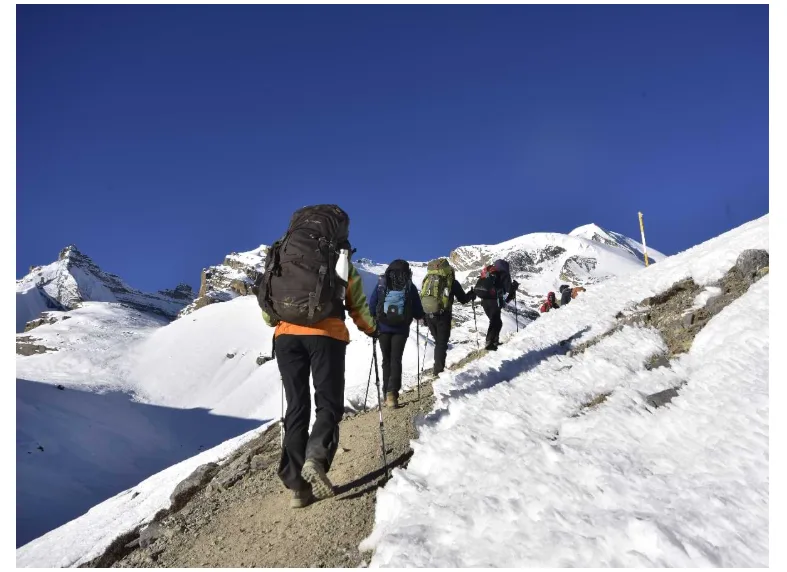

The Annapurna area in Nepal is one of the best trekking destinations in the world! Its peaks are covered in snow, and its quaint mountain villages, ancient monasteries and incredible natural scenery are an adventure dreamland. Having a well-planned Annapurna Circuit Trek Itinerary is crucial for a successful and enjoyable trek while ensuring safety. Appropriate preparations can enhance the benefit of your trek, and help make it a more memorable experience.
Once a general sense of the trek is grasped, many travellers seek a comprehensive guide to ensure they have the equipment, clearance, lodging and altitude clearance days arranged.
So why go on the Annapurna Circuit Trek?
One of the most popular and resplendent treks, the Annapurna Circuit Trek, is renowned for its unmatched variety. In a single hike, trekkers traverse subtropical forests, terraced farmlands, alpine meadows and high mountain deserts. It also has stunning views of major peaks in the Himalayas like the Annapurna Massif, Dhaulagiri and Manaslu!
One of the highlights is crossing the legendary Thorong La Pass at a height of 5416m. There are additional cultural highlights on the trail, including Gurung, Thakali and Tibetan-influenced culture.
Best Seasons for the Trek
The season may make a huge difference when it comes to trekking. Spring and Fall are the best seasons.
Spring (March – May)
Trekking in Nepal is a popular activity in the spring, which is considered one of the most beautiful seasons. The weather tends to be fairly settled, and the rhododendron forests are coloured. This season offers a great time to take photos and go on long hikes due to the many mountain views and the moderate temperatures.
Fall (September – November)
Dry and clear from above are two of the main reasons for Autumn being the best time to trek. After rain from the monsoon rains, the view of the mountain is spectacular. The summer season has more people in the trails, and it is fun and entertaining.
Winter and Monsoon
Trekking during winter is available but may be difficult as the heavy snowfalls occur in the region of the higher passes. The monsoon causes rain, wet paths and sometimes landslides, making trekking less pleasant.
Popular Trekking Routes
Annapurna Circuit is flexible enough for different people to select different routes depending on their fitness and time.
Classic Annapurna Circuit Route
The traditional trail starts from Besisahar and then gradually rises through villages such as Chame, Pisang and Manang and passes through Thorong La Pass. From the pass, trekkers head down to Muktinath and pass on towards Jomsom or Pokhara.
This is a classic route and enough time is available for acclimatisation, enabling the trekker to soak up the culture & nature of the area.
The reverent trek to Mount Annapurna is a group trek in Nepal.
Limited-time travellers usually opt to use the jeep service from their starting point to Chame or Manang to cut the time in between. Though this may be a shorter trail to trek, it still provides gorgeous views of the mountains and is the route to cross Thorong La Pass.
While these are just the highlights, it is very crucial to have a well-designed Annapurna Circuit Trek Itinerary with adequate acclimatisation days in the middle of planning a trek. The pace matters and can make the journey a bit hazardous for those who want to rush but are unable to do so. Similarly, understanding the Annapurna Circuit trek cost is also important for proper budgeting and overall trek preparation.
Essential Trekking Tips
Prepare Physically
It is a long-haul walk with many steep inclines. Any fitness activity – from exercises, hiking practice to strength training – carried out before the trip can enhance the level of endurance and help the journey to be more comfortable.
Acclimatize Properly
Acute mountain sickness (AMS) is a major concern in the Himalayas. Staying an extra night at increasing altitudes in places such as Manang will allow your body to acclimatise. Additionally, it helps to stay hydrated and to do the walking at a steady pace to stay hydrated.
Pack Smart
Bring lightweight, but necessary equipment such as warm clothes, waterproof jackets, trekking footwear, gloves, sunglasses and a sleeping bag. Weather conditions in the mountains can change rapidly.
Respect Local Culture
The Buddhist culture and Mountain culture in the Annapurna region are abundant and flourishing. While trekking, respect the way the villages live and the local customs and monasteries.
A perfectly organised Annapurna Circuit Trek Itinerary Route will allow trekkers to experience the beauty of this beautiful country of Nepal without any risk from the high altitude trekking, and also provides comfort.
World Alpine Treks offers expert trekking guides, tour equipment, and organised adventure packages in the Himalayas, making it a safe and memorable experience in Nepal for trekkers.
FAQs
What is the challenging part of the Annapurna Circuit Trek?
The walk is of average difficulty. Since walking days are long and at high altitudes, trekkers need to have healthy bodies.
What is the number of days that is required for the journey?
The route and acclimatisation programme can take 12–18 days for most trekkers.
Will there be permits for the trek?
Yes, a trekking permit (Annapurna Conservation Area Permit – ACAP) and recommendation card (TIMS) are needed.
What is the maximum elevation of the hike?
The Elevation of Thorong La Pass is 5,416 meters, which is the highest point of the Annapurna Circuit Trek.
Should you need a guide to get there?
Although it is possible for someone to trek independently, hiring a guide to hike with a guide can help increase security and safety, knowledge and understanding of the history and culture of the area, and help to ensure you get the hike you deserve.