The smart home gym revolution is reshaping how we approach fitness, and at the center of this transformation sits the all in one gym machine for home. These versatile systems combine multiple exercise stations into a single footprint, but what truly sets modern models apart is Bluetooth connectivity that turns every rep into trackable data. For tech-savvy fitness enthusiasts who demand more than just iron and cables, these connected machines deliver real-time performance metrics, app integration, and personalized coaching right in your living space. Whether you’re researching your first purchase or looking to get more from equipment you already own, this guide covers everything you need to know. We’ll walk through setup and pairing, explore how to leverage smart tracking features, review top models currently available, and share strategies for maximizing your investment over time. If you’ve been waiting for the right moment to merge technology with your training routine, the tools available today make a compelling case that the future of fitness is already here.
The Evolution of Home Fitness: Embracing All-in-One Gym Machines with Bluetooth
Home fitness has undergone a dramatic transformation over the past decade. What once meant a dusty treadmill in the corner or a set of dumbbells under the bed has evolved into sophisticated, space-efficient systems that rival commercial gym experiences. The all-in-one gym machine for home represents the pinnacle of this evolution, consolidating cable stations, leg presses, chest flies, and rowing functions into a single unit that fits comfortably in a spare room or garage. But hardware alone isn’t what makes these machines revolutionary—it’s the layer of intelligence built on top. Bluetooth connectivity turns these physical systems into connected gym devices capable of streaming workout data directly to your phone or tablet. Every rep gets counted, every calorie estimated, and every session logged without manual input. For those who thrive on tech in fitness, this means access to progressive overload tracking, form feedback, and performance trends that were previously available only with a personal trainer. When evaluating machines in this category, prioritize models offering reliable Bluetooth 5.0 or higher, compatibility with multiple fitness platforms, and sensors that capture both resistance levels and movement velocity for the most complete picture of your training.

Setting Up Your Bluetooth Fitness Gear for Seamless Workouts
Getting your all-in-one gym machine from box to first workout requires careful attention to both physical assembly and digital configuration. Start by choosing your placement wisely—you’ll need a level surface with at least three feet of clearance on all sides for safe cable movements and full range of motion on exercises like lat pulldowns and leg extensions. Rubber flooring mats protect both your floors and the machine’s base from vibration damage. During assembly, follow the manufacturer’s sequence exactly, as cable-routing errors are the most common cause of mechanical issues down the line. Tighten all bolts to specified torque levels and perform a visual inspection of every pulley and guide rod before loading any weight. Once the physical build is complete, plug in the machine’s power source if it requires one for its digital console, or confirm that battery-powered sensors are charged and seated correctly in their housings.
Pairing and Connecting via Bluetooth
With your Bluetooth fitness gear assembled and powered on, open your phone’s Bluetooth settings and ensure discoverability is active. Most smart workout equipment broadcasts a pairing signal automatically during the first two minutes after powering up—look for the machine’s model name or a code matching your serial number in your device list. Tap to pair, confirm any PIN if prompted (typically 0000 or 1234), and wait for the solid connection indicator on the machine’s console. Next, download the manufacturer’s companion app and create your profile with accurate height, weight, and fitness goals so calorie and load calculations remain precise. Within the app, navigate to device settings and select your machine from recognized equipment. If pairing fails, power cycle both devices, ensure you’re within ten feet without obstructions, and disable any competing Bluetooth connections like headphones or smartwatches temporarily. For machines compatible with third-party platforms, you can often link accounts directly through the app’s integration menu, enabling your session data to flow into ecosystems like Apple Health or Google Fit without extra steps.
Using Smart Workout Equipment to Track and Enhance Your Progress
Once your machine is paired and your profile is configured, the real advantage of smart workout equipment becomes apparent during your actual training sessions. Built-in sensors embedded in the cable system and weight stack detect resistance levels, rep count, and time under tension automatically—eliminating the need for a notebook or manual logging. As you perform each exercise, your companion app displays live metrics on screen, including estimated calories burned, total volume lifted, and rest periods between sets. Heart rate monitoring adds another dimension when you connect a chest strap or wrist-based sensor via the same Bluetooth channel, giving you a complete cardiovascular picture alongside your strength data. The key to leveraging this information effectively is consistency. Train with the machine’s tracking active for every session so the software can identify patterns, flag plateaus, and suggest when it’s time to increase load or adjust volume. Over several weeks, the accumulated data paints a clear trajectory of your progress that gut feeling alone could never provide.
Integrating with Fitness Apps and Software
Most Bluetooth-enabled gym machines sync natively with platforms like Apple Health, Google Fit, Strava, and specialized strength-training apps such as Strong or JEFIT. To set up integration, open your machine’s companion app, navigate to the connected services section, and authorize data sharing with your preferred platform. Once linked, every completed workout automatically populates in your chosen ecosystem, merging strength data with steps, sleep, and nutrition tracking for a holistic health dashboard. Within these apps, set specific goals—whether that’s hitting a weekly volume target, increasing your bench press equivalent by five percent monthly, or burning a set number of calories per session. The software then tracks your adherence and sends reminders or congratulations based on your activity. For users who prefer structured programming, many companion apps offer pre-built training plans that adapt in real time based on your logged performance, adjusting prescribed weights and rep ranges as your capacity grows.
Advanced Tracking Features for Tech-Savvy Users
Beyond basic rep counting, connected gym devices now offer features that push into coaching territory. Velocity-based training metrics measure how fast you move the weight through each concentric phase, alerting you when bar speed drops below a threshold that indicates fatigue—a signal to stop the set before form breaks down. Some machines provide real-time audio or visual feedback through the app, cueing you to slow your eccentric tempo or adjust your range of motion for targeted muscle engagement. Data export options let you download CSV files of your entire training history for custom analysis in spreadsheets or third-party analytics tools, which is invaluable for users who want to run their own periodization calculations. Integration with smart home systems means you can trigger workout playlists, adjust room lighting, or start a fan automatically when the machine detects the beginning of a session. These layers of tech in fitness transform a simple cable machine into an intelligent training partner that adapts to your habits and pushes you toward measurable improvement with every workout.
Reviews of Top Connected Gym Devices for Home Use
Choosing the right Bluetooth-enabled all-in-one gym machine for home use requires balancing connectivity features, exercise variety, and build quality. Three standout models currently dominate this space, each catering to slightly different priorities within the tech-savvy fitness community.
The Tonal system has earned a loyal following for its electromagnetic resistance and seamless app ecosystem. Its wall-mounted design saves floor space while offering over 200 exercises through adjustable digital arms. Bluetooth connectivity feeds directly into a polished companion app that provides AI-driven form corrections and adaptive programming. Users consistently praise the real-time rep feedback and smooth resistance curves, though some note that the reliance on a subscription for full software access adds ongoing cost. It suits those who value guided coaching and minimal physical footprint above raw weight capacity.
For users who prefer a traditional cable-and-weight-stack feel with smart overlay, the NordicTrack Fusion CST delivers a compelling package. It combines a cable pulley system with resistance bands and integrates with iFit for streaming classes and automatic resistance adjustments during guided workouts. Bluetooth pairing is straightforward, and the included tablet holder keeps your tracking screen visible mid-set. The trade-off is a larger physical footprint and occasional firmware update delays reported by users, but the exercise variety and sturdy construction make it a strong contender for garage gym setups.
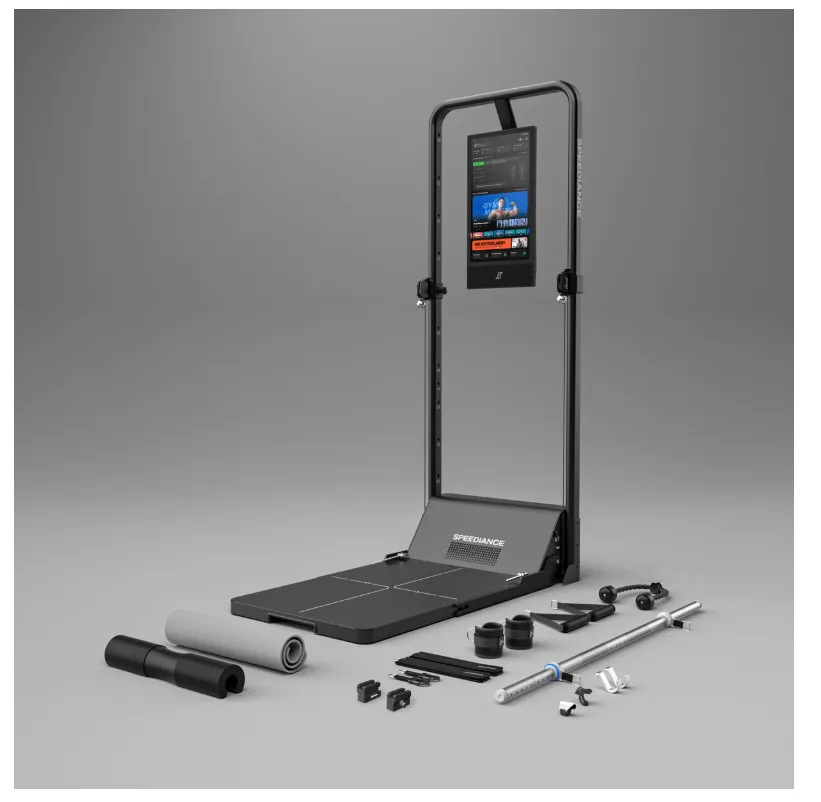
The Speediance Gym Monster targets data-obsessed lifters with its motorized resistance system and granular performance analytics. It tracks velocity, power output, and eccentric load independently, exporting detailed metrics to third-party apps via Bluetooth 5.0. Community feedback highlights its accuracy and build quality, though the learning curve for interpreting advanced data can challenge beginners. For tech-forward users who want deep analytics without a monthly subscription requirement, this machine represents excellent long-term value among connected gym devices.
Maximizing Your Investment: Tips for Long-Term Use of Tech in Fitness
Protecting your investment starts with regular maintenance—wipe down cables and guide rods weekly, lubricate moving parts monthly, and inspect sensor housings for dust buildup that can degrade Bluetooth signal quality. Keep your machine’s firmware and companion app updated to access bug fixes, new exercise libraries, and improved tracking algorithms as they release. Integrate your connected gym devices with other smart home systems by creating automation routines: schedule your phone to enable Do Not Disturb mode when a session begins, sync workout completion with your smart speaker to announce recovery reminders, or connect to a smart plug that powers on a fan automatically. Stay motivated by engaging with in-app community challenges, sharing milestones on leaderboards, and reviewing your monthly progress reports to celebrate trends you might overlook day to day. The data your machine collects becomes more valuable over time, so commit to consistent use and let the accumulated insights guide intelligent programming decisions that keep you progressing long after the initial excitement of new equipment fades.
Turning Data-Driven Training Into Long-Term Results
Bluetooth-enabled all-in-one gym machines for home use represent a genuine leap forward for anyone serious about structured, data-driven training without leaving the house. These connected gym devices eliminate guesswork by automatically tracking volume, intensity, and progression while syncing seamlessly with the fitness apps you already use. For tech-savvy users, the combination of real-time feedback, velocity tracking, and adaptive programming delivers a level of coaching intelligence that justifies the investment many times over. The models reviewed here—Tonal, NordicTrack Fusion CST, and Speediance Gym Monster—each demonstrate that smart workout equipment has matured beyond novelty into genuinely useful training tools, whether your priority is guided coaching, exercise variety, or deep analytics. Choosing the right machine comes down to matching features with your specific goals, available space, and appetite for data complexity. Once you’ve made that choice, commit to using the tracking consistently, keep firmware current, and let accumulated insights shape smarter programming decisions month after month. The technology is ready. Your next step is simply to pair, press start, and let every rep count toward measurable progress that compounds over time.