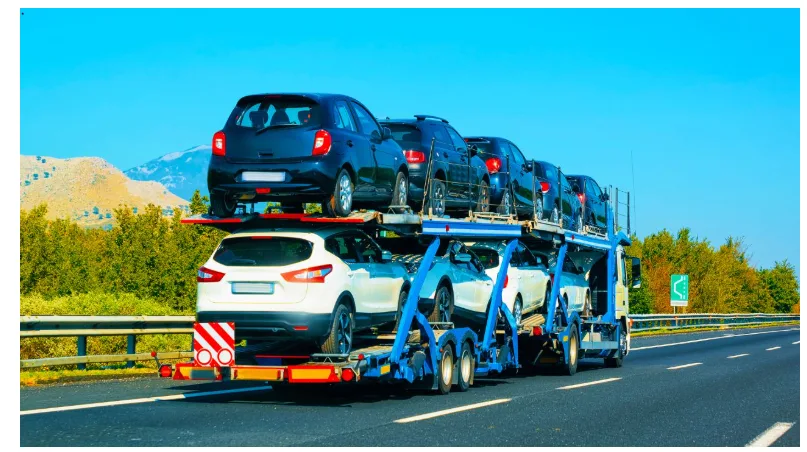

If you’ve ever requested a car shipping quote and wondered why the exact same route costs significantly more at certain times of the year, you’re not alone. One of the most common questions consumers ask is why a vehicle shipment can cost $900 in one season and $1,300 just a few months later.
The answer is simple: auto transport operates in a live marketplace driven by supply and demand. Unlike package delivery services that offer relatively fixed pricing, vehicle shipping rates fluctuate constantly based on carrier availability, route demand, weather conditions, and seasonal migration patterns.
Industry resources such as Navi Auto Transport often educate consumers about these market dynamics because understanding them can easily save hundreds of dollars on a shipment.
In fact, seasonal fluctuations of 20% to 40% are completely normal in the auto transport industry. Knowing why they happen can help you choose the right time to ship, avoid peak-season pricing, and make more informed transportation decisions.
Auto Transport Pricing Is Market-Based
Many people assume vehicle shipping works like buying an airline ticket or ordering a product online with a fixed price.
That’s not how the industry operates.
Carriers determine pricing based on:
- Available truck capacity
- Current route demand
- Fuel costs
- Weather conditions
- Driver availability
- Seasonal migration patterns
When demand exceeds available carrier capacity, prices rise.
When carriers have more available space than vehicles to transport, prices fall.
This constant balancing act is what creates seasonal pricing swings.
Winter Creates the Largest Pricing Surge
Winter is often the most expensive period for vehicle transport.
The primary reason is the annual snowbird migration.
Every year, hundreds of thousands of retirees and seasonal residents relocate from northern states to warmer climates.
Popular destinations include:
- Florida
- Arizona
- Texas
- Nevada
- Southern California
This creates enormous demand on key transport routes.
The most heavily traveled winter lanes include:
- New York to Florida
- New Jersey to Florida
- Pennsylvania to Florida
- Illinois to Arizona
- Ohio to Florida
As demand rises, available carrier space disappears quickly.
The result is predictable: pricing increases.
A route that costs $1,000 during a slower period may easily reach $1,400 during peak snowbird season.
Spring Creates a Second Demand Spike
Many consumers assume prices drop immediately after winter.
In reality, spring creates another transportation surge.
Snowbirds return north, creating a reverse migration pattern.
Carriers must reposition equipment while simultaneously handling increased shipment volume.
This often keeps pricing elevated through much of March, April, and May.
Customers who wait until the last minute frequently encounter:
- Higher rates
- Reduced availability
- Longer pickup windows
This is particularly common on routes connecting Florida with northeastern states.
Summer Is Peak Moving Season
If winter belongs to snowbirds, summer belongs to movers.
Families often schedule relocations during summer because:
- School is out
- Weather is generally favorable
- Home sales peak during this period
This creates a significant increase in transportation demand.
Summer shipments commonly include:
- Household relocations
- Corporate transfers
- Military moves
- College-related transportation
- Seasonal vehicle shipments
Because so many customers compete for available carrier space, rates often increase substantially.
For many routes, summer represents the second-most expensive shipping season of the year.
Fall Often Offers the Best Value
Many experienced customers intentionally schedule shipments during the fall.
After summer moving activity slows but before snowbird season begins, the market often stabilizes.
Benefits of fall shipping include:
- Better carrier availability
- More flexible pickup schedules
- Lower average pricing
- Reduced competition for truck space
September and early October are frequently among the most favorable times to ship a vehicle.
Customers who can plan around these seasonal trends often save hundreds of dollars.
Weather Impacts Pricing More Than Most People Realize
Weather doesn’t just affect delivery schedules.
It affects pricing directly.
Winter storms can create:
- Road closures
- Slower transit times
- Route detours
- Increased fuel consumption
- Safety restrictions
When weather reduces carrier efficiency, transportation costs increase.
This is particularly noticeable in northern states where severe weather can temporarily limit available transport capacity.
Even if your shipment isn’t directly affected by a storm, market-wide disruptions can still impact pricing.
Route Popularity Changes Throughout the Year
Not every route experiences the same seasonal swings.
Some lanes maintain steady demand year-round.
Others experience dramatic changes depending on the season.
Popular Winter Routes
- New York to Florida
- Chicago to Phoenix
- Boston to Tampa
- Detroit to Orlando
Popular Summer Routes
- California to Texas
- Florida to New York
- Arizona to Colorado
- Texas to Illinois
The more demand concentrated on a route, the more likely prices are to fluctuate.
Fuel Costs Amplify Seasonal Price Changes
Fuel is one of the largest expenses carriers face.
When fuel prices rise during peak shipping periods, pricing pressure increases further.
Fuel alone rarely explains a 40% increase.
However, when combined with strong demand and limited carrier availability, it becomes a significant factor.
This is why industry pricing can sometimes move rapidly within a short period.
Why Last-Minute Booking Is Usually More Expensive
One of the biggest mistakes customers make is waiting until the final week to arrange transport.
Last-minute bookings often result in:
- Fewer available carriers
- Higher rates
- Reduced flexibility
- Longer wait times
Carriers prefer shipments that can be incorporated efficiently into existing routes.
When customers require immediate pickup, carriers can charge a premium.
The most successful shippers typically begin planning several weeks in advance.
How Smart Customers Avoid Seasonal Price Surges
Experienced vehicle owners often use a few simple strategies.
Book Early
Two to six weeks of lead time is ideal for most shipments.
Stay Flexible
Flexible pickup windows provide access to more carriers and often lower pricing.
Avoid Peak Demand Periods
If possible, avoid:
- Snowbird season
- Holiday weeks
- Major moving periods
Compare Realistic Quotes
The goal is not finding the cheapest quote.
The goal is finding a realistic market-based quote that can actually secure a carrier.
Understand Market Timing
Shipping during slower periods often provides significant savings.
Open vs. Enclosed Transport During Peak Seasons
Seasonal demand affects both transport methods.
However, enclosed transport typically experiences even larger fluctuations.
Why?
Because:
- Fewer enclosed carriers exist
- Capacity is limited
- Luxury and collector vehicle demand remains strong year-round
Owners of high-value vehicles should book especially early if they plan to use enclosed transport.
Waiting until peak season can dramatically increase costs.
The Bottom Line
Auto transport pricing changes because the industry responds to real-world supply and demand.
When demand surges during snowbird season, summer moving months, or weather disruptions, rates naturally rise. When demand slows, pricing becomes more competitive.
This is why the exact same shipment can vary by 40% or more throughout the year.
Consumers who understand these seasonal patterns gain a significant advantage. They can plan ahead, avoid peak pricing periods, secure better carrier availability, and reduce transportation costs.
The smartest strategy isn’t necessarily finding the cheapest company. It’s understanding when to ship.
In auto transport, timing often matters just as much as the route itself.