
Introduction
Buying the right ergonomic chair is not about buying what looks good next to your desk. It means picking a chair that is best for your back, neck and shoulders as well as how you sit through several hours of your work day.
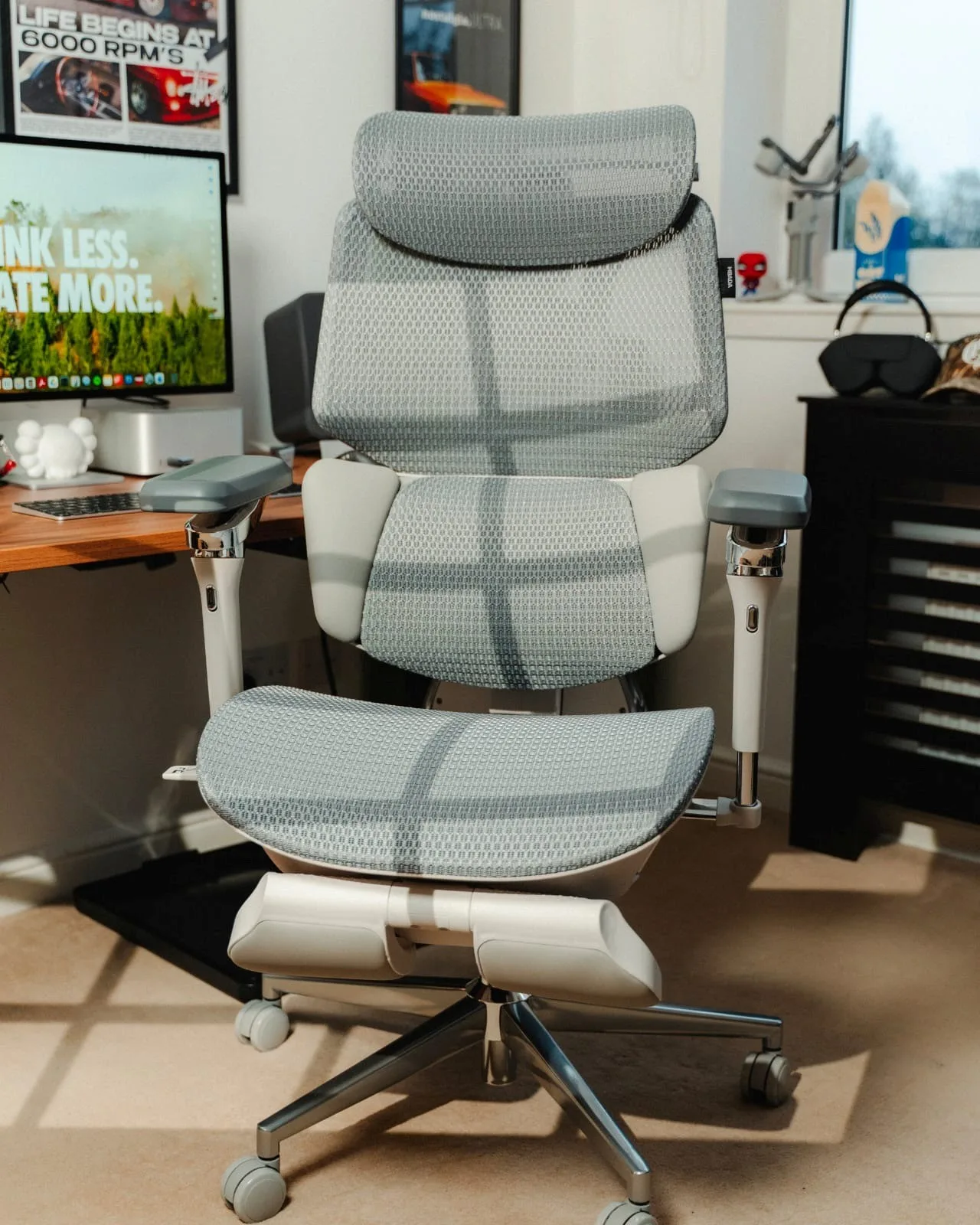
Enter the HBADA E3 Pro 2026 Edition and you have the HBADA X7 Smart Ergonomic Chair. Both chairs are designed for people who work at a desk all day — remote workers, developers, content creators, designers, gamers, finance professionals and anyone else who’s tired of rounding out their day with stiff lower back muscles.
Focusing instead on mechanical ergonomic precision, the E3 Pro 2026 seeks to put you in a position where you feel good, and then the X7 goes smart with AI lumbar tracking, massage/heat/ventilation. In this review, we’ll compare the HBADA E3 Pro vs X7 across comfort level, posture support & adjustability, price value as well who each chair is for.
First Impressions: Two Chairs with Different Strengths
The HBADA E3 Pro 2026 Edition comes across as the sensible pro. It revolves around an advanced mechanical support, including the three-zone elastic lumbar system. According to HBADA, it is a 4th-generation ergonomic chair with improved precision adjustments compared to the previous models, as well as better lumbar support and comfort for long hours of sitting.
In contrast, the Hbada ergonomic chair is less a piece of charming office hardware and more a techno-wellness station. HBADA touts the world’s first AI smart lumbar-tracking ergonomic chair, boasting smart lumbar adjustment, massage and heating functions, a 4D bi-axial headrest, and 720° adjustable armrests.
In other words, the E3 Pro is meant for those who desire pro-grade ergonomics at a friendly price. The X7 allows the user to be active in response to the chair.
Lower Back Support: HBADA’s Key Advantage
Probably the single biggest reason people move on from a standard office chair is back pain. You can pay cheap seats and receive a flat backrest, a small pillow or fixed lumbar bump that feels great for the first 20 minutes and annoying two hours after.
The 2026 Edition of the HBADA E3 Pro is based on a three-zone elastic lumbar auxiliary support system. The Dynamic support provides lift adjustment, depth adjustment, and gliding sacral support, covering the L1–L5 lumbar area. The concept is straightforward: rather than forcing one small section of your lower back, the chair cups numerous regions so that your spine feels more naturally supported.
This matters to people who work from their bed and move around. You could be sitting up at a meeting, leaning in while coding or laying back a little bit when reading. That change cannot always be accompanied by a static chair. The mechanical support of the E3 Pro is designed for this daily motion.
The HBADA X7 does this the opposite way round. The AI smart lumbar-tracking system that senses your position and movement continuously supports lower back without the need to keep readjusting.
So it’s simple: pick the E3 Pro if you’re looking for solid mechanical control, and opt for the X7 if you want an intelligent automatic solution.
Headrest and Neck Support
Neck pain often starts quietly. You lean towards your monitor, your shoulder lifts up and by the end of the day you have an irritated upper back. Which is why the headrest is more important than most buyers know.
The HBADA hero chairs are available with a 4D dual-axis headrest on both seats. The facility supports C3–C7 cervical vertebrae area and can be adjusted freely. This means that, in the real world, your neck is supported when sitting upright, leaning back or taking quick work-breaks / whatever.
The smart-chair experience of the X7 makes the headrest feel particularly high-grade because it is paired with other comfort features including heating, massage, and recline. The latter strategy the E3 Pro maintains, keeping things more static and mechanical but not sacrificing support for hours at a time.
Armrest Adjustability: A Major Upgrade for Modern Desk Setups
Gone are the days when modern workers sit in one perfect position all day long. You tap, click and scroll with the mouse when you are not banging your keyboard. You hold a controller. You doodle on a tablet in meetings or check your phone mid call then lean back to the hollow sound of someone wanting something from you? Enter the HBADA 720° Omni-Mechanical Arm and this is where it plays a crucial role.
Innovative to adapt to different postures throughout the day, and equipped with dual 360° rotation & flexible positioning at the E3 Pro 2026. HBADA has a comparison page that mentions this thing as well, calling out 720° arm support across the E3 and X7 systems.
This is particularly useful for software engineers, gamers, creators and anyone relying on a multi-monitor or standing-desk setup. The armrests fit around how you actually work rather than pushing your elbows into one narrow position.
Comfort and Breathability for Long Sitting Hours
An ergonomic chair slippers the body but it also has to be comfy, designed to remain comfortable for hours on end. That is where the mesh quality comes into play.
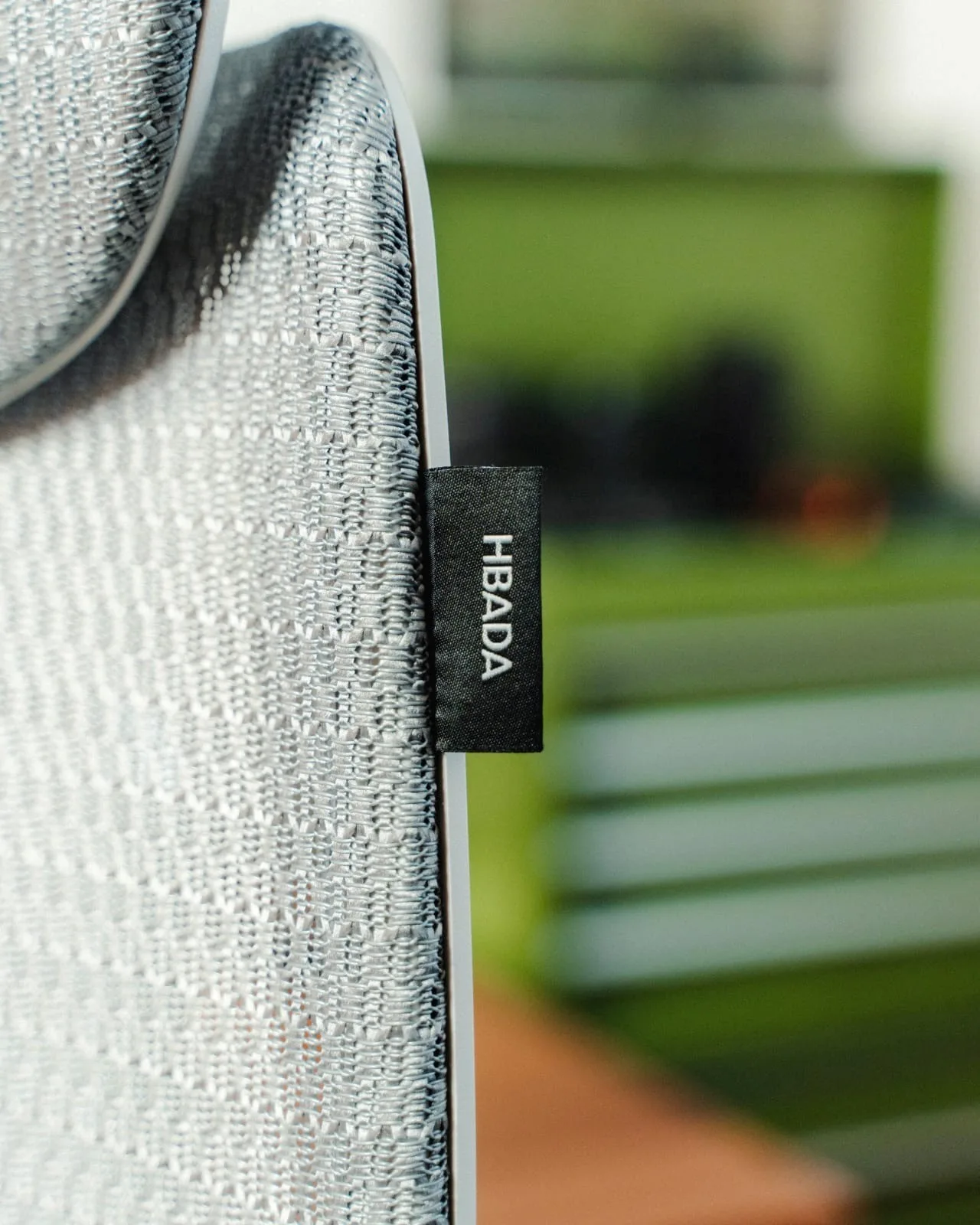
This way the merino wool stays closer to your skin which enhances its properties: To perform this is uses the CloudMesh Technology composed of three layers, with higher elasticity and pressure distribution as well as lower long term attenuation. Which, in real English means: the seat should still be supportive and not stiff, floppy or too hot.
There is also available a combination of breathable comfort materials, plus active functions including heating and cooling on selected specifications. X7 review as a well-ventilated mesh adaptive designed chair that can be worn for long hours on Macsources.
Breathable mesh is an enormous boon to these who game long on sweltering days, or even sits through the course of a single 8-hour workday – in contrast to thick padded chairs which hold and keep heat.
Recline, Seat Depth, and Backrest Adjustability
It has a ultra-wide recline ranging from 100° to 140° and multiple lock positions, gravity-sensing chassis, backrest height adjustment in six (6) levels and seat depth adjustment And those features are important because no two bodies sit quite the same.
For example, a taller user may require additional backrest height. The second question is though that someone with longer legs might have needed more seat depth. For instance, a light user will request easy recline resistance while a heavier user can require proper support. The gravity-sensing base makes the chair feel more natural by varying recline resistance based on body weight.
The x7 has a generous range of adjustment, but feels far more mechanical. It is more about letting the chair react to your posture than actually dialing every part in.
Smart Features: Where the X7 Stands Out
If the E3 Pro is a capable value-oriented workhorse, the X7 is the tech showcase.
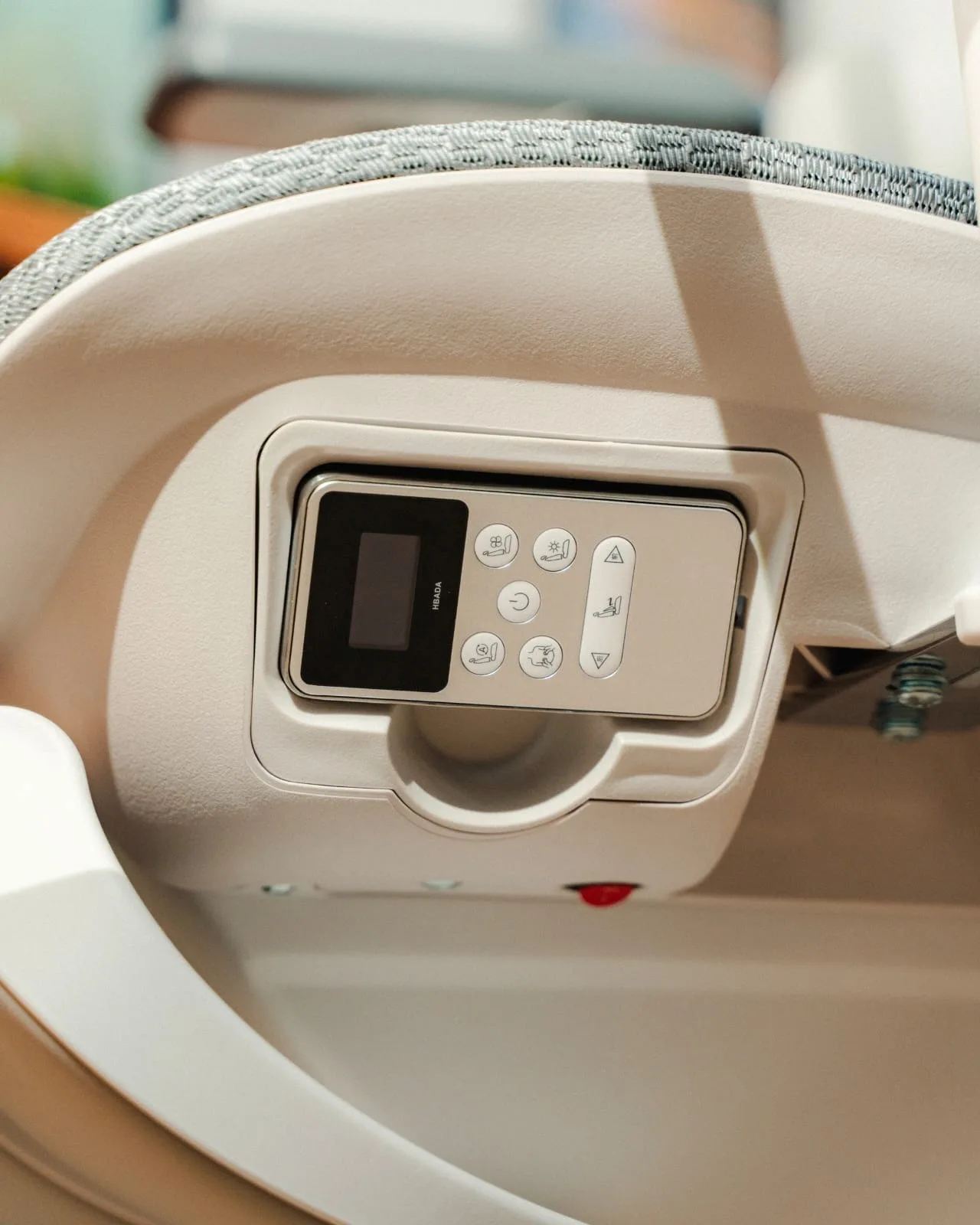
Performance-wise, the HBADA X7 features AI smart lumbar tracking, 3-level massage and heating, a 4D bi-axial headrest and armrests adjustable up to 720°. HBADA also claims the X7 uses pressure sensors, a smart chip and precision motors that track you for real-time lumbar support adjustments.
This is a huge appeal of the X7 for those who must sit at their workstations for extended periods and appreciate recovery mechanisms built into their chair. After extended periods of video editing, code work, or gaming, heat and massage can help the chair transform from mere furniture to a comfort device.
If these features are not for you, that’s fine. Others want just decent mechanical reliability. If you don’t particularly care for massage, heating, or AI tracking, the E3 Pro might seem like a no-brainer.
Value for Money
The biggest advantage of the HBADA, though, is its positioning: pro-level ergonomics at friendly prices.
The E3 Pro 2026 Edition is a bit less accessibility-touted on HBADA’s official page, and appears priced accordingly in the mid-range segment of ergonomic chairs sold by the firm, whereas the X7 occupies more premium pricing territory.
Relative to high-end brands such as Herman Miller and Steelcase, Hbada clearly hopes to catch the attention of buyers buying advanced ergonomic features without luxury-office-chair prices. But for most home office users, the E3 Pro is the better value option. The X7 is more for someone who enjoys the smarter automation and wellness styled features.
Back Pain Support: Which Chair Is Best?
The first two chairs would work for backs and pose, but they solve the same problem in contrary methods.
Select the HBADA E3 Pro 2026 Edition if you prefer solid lumbar support, mechanical precision, better posture assistance, and value for money overall. For remote workers, developers, designers, students & professionals who sit more than 6 + hours a day.
If you want automatic lumbar tracking, massage and heating comfort as well a cooling option then the HBADA X7 Smart Ergonomic Chair will be your choice for more of a futuristic chair experience. Best for power users, executives, creators, gamers, and anyone that want the chair controlling comfort all day.
Final Verdict
The HBADA E3 Pro 2026 Edition is the best ergonomic chair you can buy under a more realistic budget. Suiting up with three-zone elastic lumbar support, 4D dual-axis headrest, 720° armrests, CloudMesh comfort, recline and adjustability makes it a bona fide back pain beast for posture correction as well as marathon work sessions.
This is the premium HBADA X7 upgrade. With AI lumbar tracking, massage, heat, smart adjustment and a next level comfort experience. It’s more expensive, but it provides more functionality.
Therefore, the winner of this HBADA E3 Pro v/s X7 review is really determined by your needs. Best value: E3 Pro 2026 Edition For the most smart ergonomic experience, select the X7. Whichever way you choose, HBADA provides a solid option for those looking to achieve comfy high-end seating without entering the realm of traditional luxury chair pricing.