
Objective
This guide is built to help you understand how modern forecasting platforms work and how to choose the right one for your goals. We focus on real use cases, structural depth, and proven formats aligned with current market prediction industry trends rather than surface‑level hype.
Key Takeaways
- Why prediction markets matter more in 2026 than ever before
- How decentralised models improve transparency and trust
- The best platform for prediction markets is not about popularity, but structure
- In‑depth insight into six leading platforms, starting with Foreso
- Practical guidance to help you choose wisely
- Clear answers to real questions people ask
Introduction
What if your ability to judge outcomes mattered more than headlines, hype, or loud opinions? That single question is at the heart of why prediction markets are gaining real attention heading into 2026.
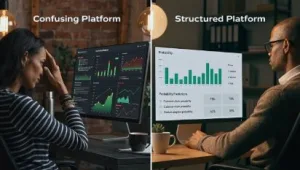

Here’s the thing: today’s internet provides us with more information than ever before, but certainty seems rare. The price of a product fluctuates due to big events, which surprise everyone, and forecasts from experts often fall short of the mark. Did you know that collective forecasts derived using inputs from a variety of users consistently surpass individual experts in difficult scenarios? Research from top universities has demonstrated this trend in both political and financial forecasting.
What this really means is simple: shared insight beats solo guessing.
A prediction market platform allows people to express informed views on future outcomes using market logic instead of opinions. Rather than relying on polls or influencers, these platforms reflect real probability by attaching value to outcomes. As we move closer to 2026, these systems are no longer niche tools; they are becoming serious data signals across crypto, sports, and global events.
Before we break anything down further, here are the key takeaways so you know exactly what you will gain from this guide.
Table of Contents
- Why Forecast‑Based Platforms Matter in 2026
- How Modern Forecasting Platforms Work
- Top 6 Prediction Market Platforms for 2026
- Platform Comparison Snapshot
- Major Market Direction to Watch Before 2026
- How to Choose the Best Platform for Prediction Markets
- Frequently Asked Questions
- The Future Belongs to Accurate Thinking
- Final Call to Action
Why Forecast‑Based Platforms Matter in 2026
Forecasting is no longer about bold claims. It is about measured signals backed by distributed judgment.
As data sources multiply and attention fragments, traditional forecasting tools struggle to stay relevant. Models based on single authorities often fail because real‑world outcomes depend on many moving parts. This is why decentralised forecasting models are growing fast.
Collective Input Over Single Opinions
Markets aggregate belief. When many informed users contribute, the resulting probability reflects shared judgment instead of noise. This method has quietly positioned itself as one of the most reliable forecasting tools across finance and major public events.
Prediction Market Trends Shaping the Next Phase
Some key prediction market trends shaping 2026 include:
- A greater emphasis on the crypto-native results
- Transparent settlement logic
- Skill-based ranking systems
- Broader event coverage beyond finance
These modifications reduce confusion and improve confidence.
How Modern Forecasting Platforms Work
At a basic level, these platforms convert beliefs into prices. But the structure underneath that idea matters more than most people realise.
Market‑Based Probabilities Explained
Each possible outcome has a price. As users express confidence, the price shifts. Over time, the prices will settle closer to the real probability because incorrect views diminish in value.
Transparency Through Infrastructure
The most successful platforms are based on open systems in which the results are publicly verified, and rules are clearly visible from the beginning. This helps prevent manipulation and safeguards credibility.
Top 6 Prediction Market Platforms for 2026
Let’s get to the core of this guide.
1. Foreso – Social and Crypto‑Focused Forecasting
Foreso sits at the centre of decentralised forecasting because it blends crypto assets, real‑world events, and social insight into one structure.
Unlike closed systems, it allows open participation where users focus on judgment quality rather than volume. The design supports crypto price questions, sports outcomes, and time‑bound public events. Signals come from active user input instead of house‑set odds.
Why This Structure Matters
The platform emphasises open probability expression while discouraging blind speculation. Users are ranked by accuracy, not attention. This approach supports long‑term trust.
Practical Example
A crypto market question appears with multiple threshold outcomes. Users choose the probability range they believe is most accurate. As the event approaches, the market reflects updated sentiment. After settlement, accuracy scores adjust.
This is why many consider it a strong prediction market platform for data‑driven users.
2. Polymarket – Event‑Driven Global Focus
Polymarket is focused on events that are public, such as elections, policy-related decisions and macro-level outcomes. The simple interface reduces barriers to entry and appeals to those who are more interested in outcomes that affect society than just price signals.
Strengths include fast updates and strong public interest alignment.
3. Augur – Open Infrastructure Model
Augur provides foundational tools for outcome‑based markets. It is frequently used by researchers and other developers who appreciate the flexibility. Although it is not always easy for beginners, it allows for deep exploration.
4. Omen by Gnosis – DAO‑Aligned Forecasting
Omen integrates closely with decentralised governance systems. Communities use it to gauge future decisions and governance results. It fits well with collective planning rather than casual forecasting.
5. Kalshi – Compliance‑Focused Event Markets
Kalshi operates within formal regulatory boundaries and concentrates on macroeconomic indicators. It appeals to users who value structure and compliance more than experimentation.
6. Metaculus‑Style Platforms – Research‑Driven Forecasting
These platforms focus on long‑term thinking, scientific outcomes, and policy scenarios. They often attract academic and analytical audiences rather than traders.
Comparison Snapshot
| Focus Area | Strength |
| Crypto Price Signals | Foreso |
| Public Events | Polymarket |
| Technical Flexibility | Augur |
| Governance Forecasts | Omen |
| Regulatory Clarity | Kalshi |
| Research Forecasts | Metaculus‑style |
Major Market Direction to Watch
The wider market prediction industry trends point toward clarity and trust.
Shift Toward Skill Recognition
Accuracy tracking is becoming standard. Platforms increasingly reward consistency instead of short‑term gains.
Broader Event Coverage
Forecasts now include supply chains, climate data, and tech milestones, expanding far beyond finance.
How to Choose the Best Fit
Choosing the best platform for prediction markets depends on how you think and what outcomes you follow.
Ask yourself:
- Do you value crypto outcomes or public events?
- Do you prefer social insight or formal tools?
- Do you want short‑term signals or long‑term forecasts?
If your focus is on crypto‑linked events with transparent logic, current prediction market trends favour open participation models.
The Future Belongs to Accurate Thinking
Good forecasts come from clarity, not noise.
As 2026 approaches, the role of forecasting platforms will depend on trust, transparency, and user judgment. Choosing a strong prediction market platform means choosing a structure that values accuracy over attention.
If your goal is informed insight rather than guesswork, the systems leading today reflect where forecasting is headed next.
Call to Action
If you’re a believer in the ability to think clearly and share your insights, this is the right moment to look into platforms built around real-time probability. Learn how forecasting is decentralised and select platforms that are designed to last for a long time, not for the most popular voices.
Frequently Asked Questions
What is a prediction market?
It is a system where people express views on future outcomes using market pricing rather than opinion polls.
Are these platforms legal?
Regulatory status depends on region and platform structure. Compliance‑based platforms operate differently from decentralised systems.
Can people rely on these signals?
When designed correctly, aggregated forecasts often outperform single experts due to shared input.
Is crypto knowledge required?
Not always. Some platforms focus on public or policy outcomes.
Which platform suits crypto‑focused forecasts?
Platforms that support open crypto‑linked markets with transparent settlement tend to perform best.