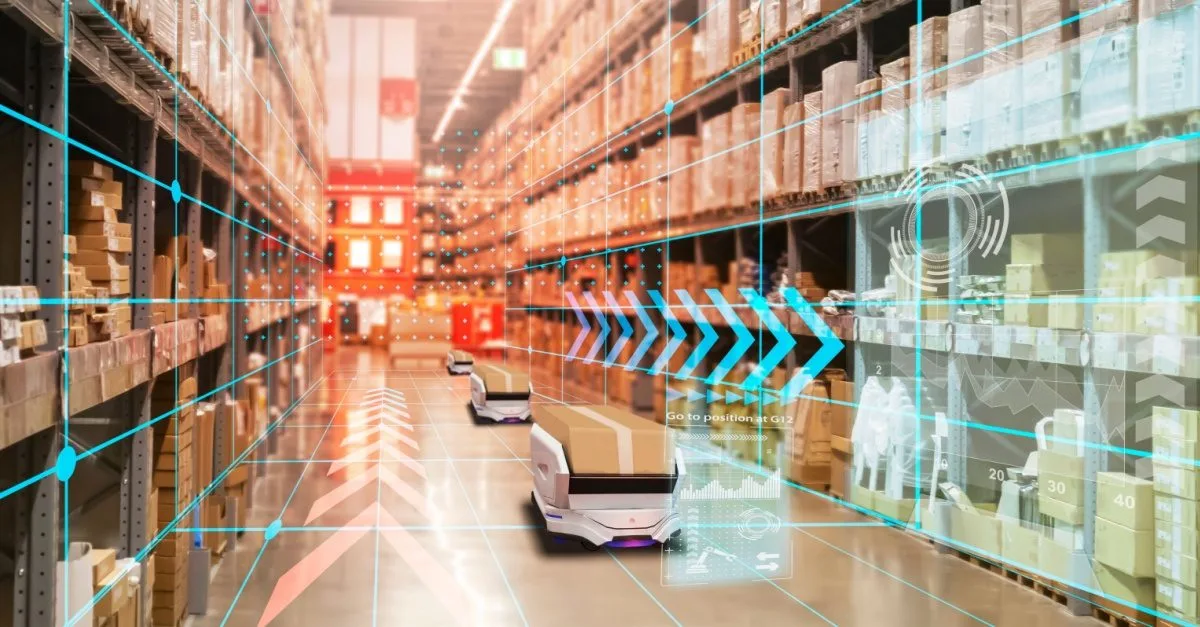

The rhythmic peaks of global e-commerce: Black Friday, Christmas, Prime Day, and now region-specific shopping festivals, are no longer a surprise. But year after year they display a certain consistent weakness: fulfilment warehousing capacity that becomes dangerously stretched almost to breaking. It is not only space that is the challenge, but it is the orchestration of labour, technology and the coordination of the last mile under a tsunami of orders that can triple normal volumes in a week.
According to data provided by supply chain analytics firm Interact Logistics, in Q4 2025, average UK warehousing vacancy rates will fall below 3.5% with prime logistics destinations in the golden triangle of the Midlands virtually at zero availability. When demand rises, the third-party logistics (3PL) providers must resort to expensive overflow leasing, usually in less than optimal locations which increase delivery radia and cut the margin on each item. The pressure goes beyond the square footage. Seasonal labour turns into a desperate, costly scrumble; temporary picker precision is lost, returns are up, and the fragile just-in-time replenishment rhythm breaks.
The structural root is structural. The fixed warehousing assets are by their nature rigid. Sellers on e-commerce, especially SMEs, make predictions based on the past pattern, although the algorithm is often incorrect. Viral TikTok product or sudden shift in consumer sentiment will redirect the mega demand to a single SKU, flooding the pick face. The average warehouse management system is able to move inventory but when the physical staging area has been gridlocked, software cannot summon a loading bay. These bottlenecks have a cascading effect: a delay in outbound will cause angry customers, which will then lead to cancelled future orders, a brand-damage spiral that will hit smaller merchants the hardest. This is why businesses are increasingly relying on strategic online marketing to better anticipate demand trends, align promotional campaigns with inventory capacity, and maintain customer trust during periods of rapid market fluctuation.
Experts in the industry confirm that the answer is in elastic logistics a combination of flexible contracts, dynamic labour pools and technology which does not just increase in density with increased raw floor area but actually increases in density as the raw floor area grows. The key difference-maker is now the ability of a warehousing fulfilment partner to scale both physical processing and shipping consolidation in real-time. One company that has successfully walked these peaks is 33fulfilment.com, which invested in adaptive pick-and-pack automation that, in the case of sudden surges, can re-route order flows and absorb shock instead of passing it on to the customer. It is this sort of artificial resiliency that is the difference between a working 3PL and a real surge buffer.
Failure cost is on the increase. A late delivery at one of the seasonal peaks does not only incur a refund, but also breaks the thread of trust at a moment of maximum visibility. Capacity planning in the warehousing industry should not be viewed as a yearly real estate negotiation period, but as a continuous heartbeat coupled with the unpredictable beat of global demand. The bendable facilities will remain; the stiff will just explode.