Every organisation says safety is important. Posters go up in the hallway, procedures are written down, maybe there’s even a slogan. But the real test isn’t on the wall it’s in those everyday moments where people make quick choices. Do they rush the job or pause a second? Do they speak up when something feels off, or think “it’ll be fine”? That’s exactly where good veiligheidstrainingen earn their place: not in theory, but in all those small decisions that prevent something serious from happening.
Turning “near misses” into learning instead of luck
Almost every team can name incidents that “could have gone badly, but didn’t”. A box that fell just next to someone, a machine that jammed but didn’t break, a chemical smell that faded. It’s tempting to shrug and move on. Strong safety training programs teach the opposite habit: to treat near misses as free lessons. In training, Actprofessionals invites people to bring these stories into the room. Together, they look at what really happened, what helped, what almost went wrong, and which small changes would make a repeat less likely. That process builds awareness without blame. People see that speaking up early isn’t overreacting it’s how you stop a near miss from becoming the incident everyone regrets later.

Different roles, different risks
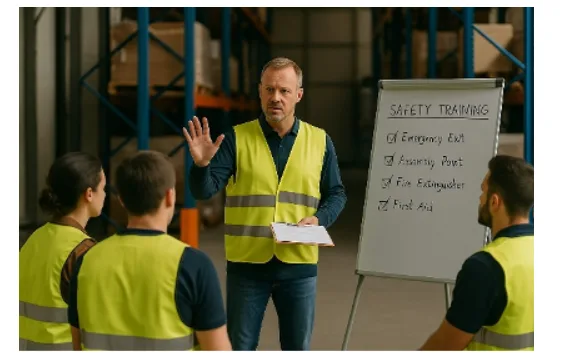
The receptionist, the technician, the cleaner, the team leader they don’t face the same hazards. Yet traditional training often treats everyone the same. That wastes time and weakens the message. Effective safety training programs are tailored to roles. Office staff may need to focus on ergonomics, fire procedures and lone-working risks. Production staff need more on machine lockout, manual handling and working at height. Supervisors need extra tools for spotting risky patterns and giving feedback. Actprofessionals maps these roles with you and designs sessions that respect people’s reality. When training speaks directly to what someone actually does, they’re far more likely to remember and use it.
Practising responses, not just hearing about them
Many of us know, in theory, what we’re “supposed” to do in an emergency. But in a real moment of shock, theory alone can disappear. That’s why good safety training programs build in practice: short simulations, role-plays, walk-throughs of evacuation routes, and simple drills that make procedures feel familiar. Actprofessionals doesn’t aim to scare people the idea is to give their muscles and minds a bit of rehearsal. They might practise how to calmly stop a job, what to say if they see someone at risk, or how to lead visitors out during a fire alarm.
Would you like to visit us? You can find us here.
Building simple habits that change outcomes
The strength of good safety training programs is often in small, repeatable habits rather than grand gestures. Some of the habits Actprofessionals helps teams install include:
- Taking a brief pause before starting a non-routine task to ask, “What could go wrong here?”
- Doing short, regular “safety walks” where people look only for hazards, not production issues.
- Ending team meetings with one concrete safety check or improvement, however small.
One list like this, agreed and owned by the team, can change the feel of safety over time. People see that it’s not only about accidents; it’s about how they pay attention every day.

Measuring more than accident numbers
It’s tempting to judge safety solely by injury statistics. If nothing big has happened, everything must be fine. But numbers can be misleading. Sometimes a “good” period is luck rather than good practice, and sometimes increased reporting of small issues makes the numbers look worse just as things are actually improving. Actprofessionals encourages organizations to look at other signs when evaluating safety training programs: Are more near-misses being reported? Do staff feel more comfortable stopping work if something feels wrong? Are conversations about safety happening more naturally in daily briefings? These are messy, human indicators, but they tell you whether training is changing behaviour or just filling a legal requirement.
Linking safety to wellbeing and trust
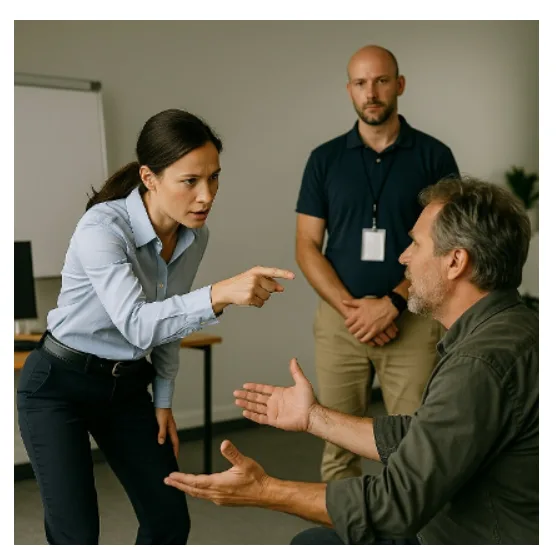
Feeling safe at work is not about not getting hurt. It is also about feeling comfortable to talk about problems without being made fun of or getting in trouble. The way people feel about safety is often not talked about in training.. This is a big part of where accidents start. When someone decides to stay quiet. That is why Actprofessionals makes sure to include trust and a good work culture in their safety training programs, for Actprofessionals. Leaders learn how their reactions rolling eyes, ignoring reports, praising only output silently teach people what really matters.
How Actprofessionals keeps training real and useful
What sets Actprofessionals’ safety training programs apart is the focus on real workplaces and real people. Trainers don’t arrive with a one-size-fits-all slide deck. They listen first: what actually happens here, what scares people, what near-misses have you had, what does a “normal” day look like? Training is then built around those answers. There is theory about risk, human behaviour and communication but it’s always tied tightly to practice. Participants are invited to question, to bring up doubts, to say “this is what I find hard” without being shut down. The aim is not to turn everyone into safety officers. It’s to help ordinary professionals feel more aware, more confident and more in control in the moments that matter. When safety training programs manage that when people pause before doing something risky, speak up when something feels wrong, and go home at the end of the day without the story of “we were lucky today” in their heads then the training has done what really counts: it’s made the workplace a little safer, one decision at a time.
More information about our services can be found directly at Actprofessionals.