Cycling has undergone a quiet revolution. What began as a simple mode of transport has evolved into a sophisticated ecosystem of smart machines, and nowhere is this shift more visible than in the rise of electric cargo bikes. These purpose-built workhorses are reshaping how people move goods, commute with kids, and tackle everyday errands — all without a car. But how do they really stack up against standard bikes, electric or otherwise?

The answer increasingly lies beneath the surface, embedded in the sensor technology that powers modern e-bikes. Integrated sensors are no longer optional extras reserved for professional athletes. They are becoming the backbone of a smarter, more responsive riding experience — one that adapts to you rather than the other way around.
This article digs into how sensors are transforming both electric cargo bikes and standard rides, addressing real needs for performance insight, personalized comfort, and everyday safety. Whether you’re chasing data-driven training goals or simply want a more intuitive commute, understanding what these technologies do — and how to use them — can fundamentally change your relationship with cycling. Let’s explore that transformation.
Electric Cargo Bikes vs Standard Bikes: Core Differences and Evolution
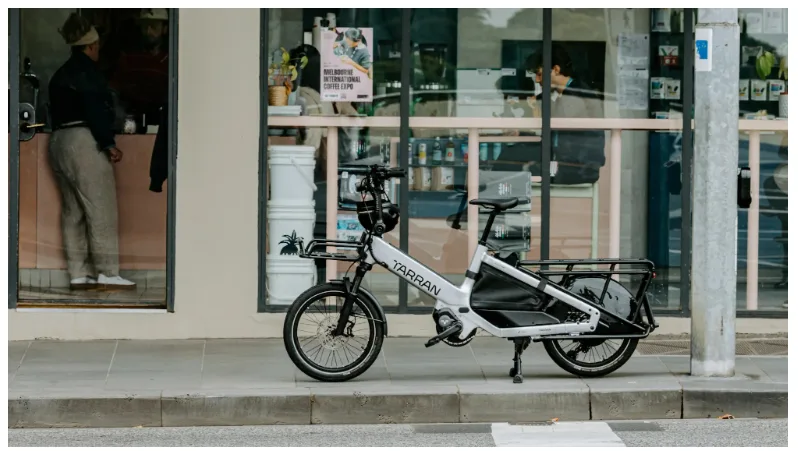
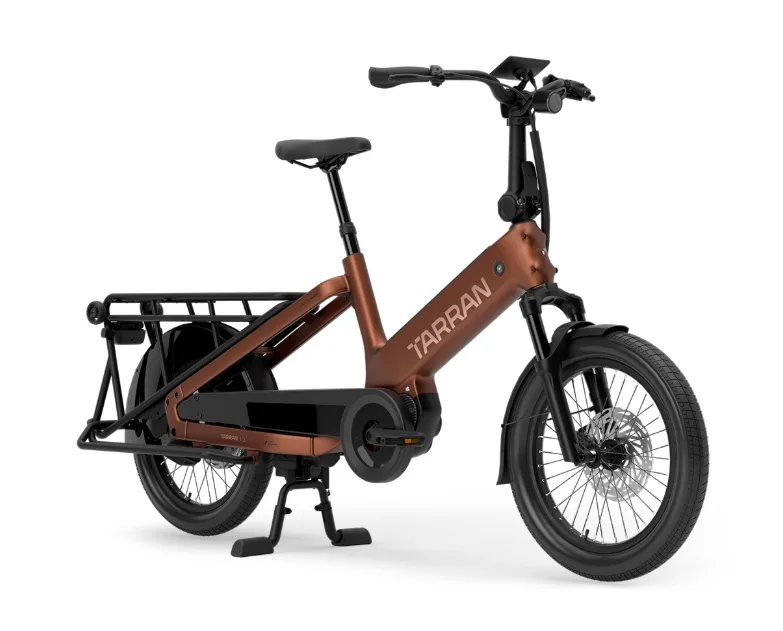
Electric cargo bikes — commonly called e-cargo bikes — are purpose-engineered machines designed to carry substantial loads while keeping the rider comfortable and in control. Unlike standard electric bikes, which prioritize speed and agility for solo riders, e-cargo bikes are built around utility: reinforced frames, extended wheelbases, front or rear cargo platforms, and motors powerful enough to handle heavy payloads without breaking a sweat. Load capacities routinely exceed 100 kilograms, making them genuine alternatives to car trips for families and small businesses alike.

Standard bikes, whether analog or electrically assisted, take a fundamentally different approach. They optimize for efficiency, weight savings, and rider performance. A standard e-bike might assist a commuter up a steep hill or help a cyclist maintain pace over long distances, but it was never designed to haul groceries, carry children, or deliver packages. The design philosophy diverges sharply from the moment you consider what each bike is actually asked to do.
Both categories are evolving rapidly, and technology is the primary driver. Manufacturers are embedding increasingly sophisticated systems into frames, drivetrains, and handlebars — transforming bikes from mechanical tools into intelligent companions. Brands like TARRAN are among those pushing this integration forward, developing e-bike platforms where sensor networks are engineered into the core architecture rather than added as afterthoughts. For cyclists, this evolution matters because it changes what’s possible. Whether you’re optimizing a training ride or navigating a loaded school run, understanding these differences helps you choose the right machine and get the most from it. Sensor technology sits at the heart of this transformation, and it’s reshaping both worlds simultaneously.
The Rise of Integrated Sensors in Modern Cycling
Not long ago, a bike computer measuring speed and distance was considered cutting-edge. Today, integrated sensors embedded throughout e-bike systems collect, process, and respond to dozens of data streams simultaneously — and the technology is advancing faster than most riders realize. These sensors are no longer afterthoughts bolted onto handlebars. They are engineered directly into frames, motors, drivetrains, and components, forming a cohesive nervous system that makes modern e-bikes genuinely intelligent machines.
The most common types include speed sensors, which track how fast the wheel is turning; cadence sensors, which measure pedal rotation rate; and torque sensors, which detect how hard the rider is actually pushing. Together, these three form the foundation of responsive motor assistance. Battery management sensors monitor charge levels, temperature, and discharge rates to protect longevity and give accurate range estimates. Beyond these fundamentals, manufacturers are increasingly integrating specialized sensors for functions that would have seemed futuristic a decade ago — including sensors that trigger automatic turn signals based on handlebar angle or GPS-predicted routing, and pressure sensors embedded in seatposts that respond to rider posture and terrain shifts in real time.
Their primary function is deceptively simple: collect real-time data and use it to make the ride smarter. In practice, this means motor assistance that feels natural rather than mechanical, safety systems that communicate your intentions to other road users, and comfort features that adjust without you thinking about them. For electric cargo bikes carrying heavy loads through urban environments, this intelligence is especially critical — the margin for error shrinks when you’re managing 150 kilograms around a tight corner. For standard e-bikes, the same sensor ecosystem unlocks performance insights that were previously available only to professional athletes with expensive equipment.
From Basic Metrics to Advanced Feedback Systems
Early cycling computers were single-purpose devices: a magnet on the wheel spoke, a sensor on the fork, a number on a small screen. Useful, but passive. They told you what happened after the fact. Modern integrated sensor networks operate on an entirely different principle — continuous feedback loops that influence the ride as it unfolds. A torque sensor doesn’t just record how hard you’re pedaling; it communicates that information to the motor controller dozens of times per second, producing assistance that mirrors your effort rather than switching on and off in crude steps. Cadence data feeds into algorithms that suggest optimal gear changes on smart drivetrains. Speed data combines with GPS elevation profiles to anticipate climbs before you reach them. The shift from isolated metrics to interconnected feedback systems is what separates a genuinely smart e-bike from one that simply has a digital display — and it’s the foundation on which all the more advanced features covered in this article are built.
Unlocking Advanced Riding Data for Performance Analysis
One of the most compelling shifts in modern cycling is how sensor networks have democratized performance analysis. Metrics once accessible only to professional teams with dedicated sports scientists are now embedded in consumer e-bikes, delivering granular riding data directly to your phone or handlebar display. For enthusiastic cyclists, this opens a genuinely new dimension of training and self-improvement — one where gut feel gets replaced by evidence.
Power output is perhaps the most valuable metric the sensor ecosystem unlocks. Measured in watts, it represents the actual work you’re producing with every pedal stroke, independent of wind, gradient, or fatigue. When combined with cadence data, power figures reveal your pedaling efficiency — whether you’re grinding at low RPM or spinning smoothly at an optimal rate. Route metrics add another layer: GPS-tracked elevation, segment times, and distance combine with energy consumption data from the battery management system to show exactly how much effort different routes actually demand. Apps like Garmin Connect, Wahoo’s companion platform, or manufacturer-specific tools such as Bosch’s eBike Flow app can visualize this data clearly, turning raw numbers into actionable patterns.
For electric cargo bike riders, this analysis takes on a practical dimension beyond athletic performance. Understanding how payload weight affects energy consumption on your regular school run, or identifying which route home demands the least battery drain on a loaded bike, translates directly into smarter daily decisions. Standard e-bike riders benefit equally — tracking progress over weeks reveals fitness improvements that feel invisible day-to-day but become undeniable when the numbers trend consistently upward.
Key Performance Indicators for the Data-Driven Cyclist
Among the metrics worth monitoring closely, normalized power and average wattage sit at the top for anyone serious about improvement. Cadence smoothness — the consistency of your pedal stroke throughout a full rotation — exposes inefficiencies that feel invisible in the moment but cost energy over long rides. Energy consumption per kilometer, expressed in watt-hours, gives cargo bike riders a reliable planning tool for range management under varying loads. Heart rate, when paired with power data through a compatible chest strap or wrist sensor, produces a metric called efficiency factor that tracks cardiovascular adaptation over time. Monitoring these indicators across multiple rides through a structured app transforms isolated workouts into a coherent training narrative — one where you’re always working with real information rather than guesswork.
Enhancing Customization and Comfort with Smart Features
Performance data is only part of what modern sensor ecosystems deliver. The same networks that track your wattage and cadence also power a new generation of comfort and safety features that adapt the bike to you — automatically, continuously, and without interrupting your ride. For cyclists who spend meaningful time in the saddle, whether commuting with a loaded cargo bike or logging weekend kilometers on a standard e-bike, these features address something data alone cannot: the physical experience of riding.
Automated seatpost adjustment is one of the most tangible examples of sensor-driven comfort in action. Pressure sensors embedded in the seatpost detect shifts in rider weight distribution and terrain feedback, triggering micro-adjustments that maintain optimal saddle height and angle across varying surfaces. Descending a steep gradient, your position shifts subtly forward; the system responds by lowering the post to keep you stable and confident. On flat urban stretches, it returns to your preferred riding height without you touching a control. For electric cargo bike riders managing heavy loads over mixed terrain, this kind of dynamic adaptation reduces fatigue significantly over a full day of riding.
Integrated turn signals represent a different but equally important dimension of smart customization — one focused squarely on safety and communication. Rather than relying on hand signals that require you to release the handlebar, sensor-triggered turn indicators communicate your intentions clearly to drivers and pedestrians. Some systems activate automatically based on handlebar angle and GPS routing data; others respond to simple bar-mounted controls. Either way, the result is a more confident, visible presence on busy roads. For cargo bike riders whose bulk already demands extra attention from surrounding traffic, integrated signals are a meaningful upgrade to everyday safety — and for standard e-bike commuters, they bring a level of road communication previously associated only with motor vehicles.
Practical Adjustments: Seatpost and Signal Integration
Understanding how these systems work helps you use them more effectively. Sensor-driven seatposts typically require initial calibration through the bike’s companion app — you set your preferred riding height for different modes, and the system uses that baseline to govern its adjustments. Most allow you to define sensitivity thresholds, so the post responds to genuine terrain changes rather than minor vibrations. For cargo bikes, factoring in typical payload weight during calibration produces more accurate responses under load. Turn signal systems vary by implementation: handlebar-angle-triggered systems need a brief familiarization period so you understand the activation threshold, while button-activated systems benefit from positioning the controls where your thumbs rest naturally. In both cases, checking sensor responsiveness during a short test ride before committing to traffic ensures everything is calibrated correctly and behaving predictably when it matters most.
Practical Solutions: How to Leverage Sensor Technology for Your Ride
Understanding sensor technology is one thing; putting it to work is another. These five steps give you a clear path from curiosity to confident, data-driven riding — whether you’re on a loaded cargo bike or a nimble standard e-bike.
Start by selecting a bike with the right sensor suite for your actual needs. If performance analysis matters to you, prioritize torque sensors over cadence-only systems — the difference in motor responsiveness and data quality is substantial. Cargo bike riders should also confirm that battery management sensors provide load-adjusted range estimates, not just flat-terrain projections. Next, invest time in proper calibration before your first serious ride. Connect your bike to its companion app, enter your weight and typical payload, and run the sensor diagnostics the manufacturer recommends. Skipping this step means every data point the system generates is built on an inaccurate baseline.
Third, configure your seatpost adjustment system for the terrain you actually ride. Set sensitivity thresholds during a short mixed-surface test ride, not in a parking lot. Real-world feedback reveals calibration gaps that controlled conditions hide. Fourth, build turn signals into your riding habits deliberately. Treat them like a car’s indicators — activate them early, before you commit to a turn, so surrounding traffic has time to react. The technology only improves your safety if you use it consistently.
Finally, review your riding data weekly rather than ride-by-ride. Single sessions produce noise; weekly patterns reveal genuine trends in fitness, efficiency, and energy consumption. Use that information to adjust routes, tweak assist levels, and refine your position — turning raw sensor output into measurable improvements over time.
Smarter Cycling: Sensors as the Future of Electric Bikes
The gap between electric cargo bikes and standard bikes was once defined purely by size and purpose. Today, it’s increasingly defined by intelligence — and integrated sensors are what make that intelligence possible. Whether you’re navigating a loaded school run on an e-cargo bike or chasing personal bests on a standard electric, the sensor ecosystem embedded in modern machines is quietly reshaping what cycling can deliver.
The technologies explored in this article work together rather than in isolation. Torque and cadence sensors produce motor assistance that feels instinctive. Advanced riding data transforms vague impressions of effort into measurable, actionable insight. Automated seatpost adjustment removes friction from mixed-terrain riding, while integrated turn signals bring a new level of road presence and safety to cyclists of every type. Each feature addresses a real need — and each becomes more valuable when you understand how to use it deliberately.
The trajectory is clear. Sensor technology in cycling will only grow more sophisticated, more predictive, and more seamlessly integrated into the ride itself. The cyclists who benefit most won’t necessarily be the ones with the most advanced hardware — they’ll be the ones who take the time to understand what their bike is telling them and act on it. Embrace these tools, calibrate them carefully, and review what they reveal. A smarter ride isn’t a distant promise. It’s already available to anyone willing to engage with it.