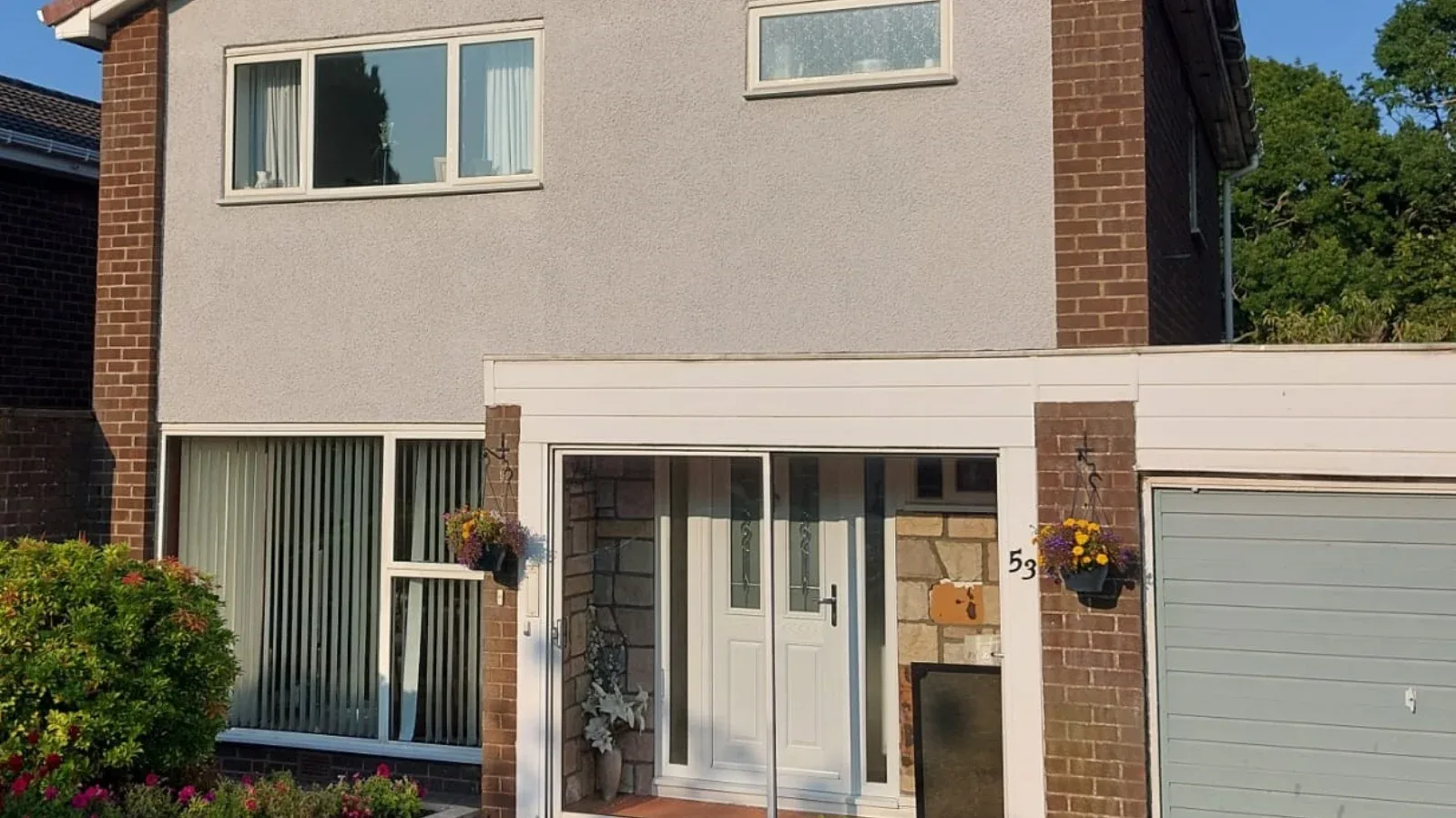

Exterior surfaces face constant exposure to harsh weather, UV rays, pollutants, and moisture. Over time, these factors degrade paint, weaken wall materials, and reduce the overall lifespan of your property. This is where exterior wall coating becomes one of the most effective solutions for long-term protection and beauty. Unlike standard exterior paint, wall coatings offer advanced durability, insulation properties, and weather resistance — making them a preferred choice for modern homeowners, commercial properties, and renovation projects.
This comprehensive guide explains what exterior wall coating is, its benefits, different types, application processes, modern technologies, cost factors, maintenance tips, and key considerations for choosing the right system.
What Is Exterior Wall Coating?
An exterior wall coating is a specially engineered protective layer applied to the external walls of a building. It is thicker, stronger, and more weather-resistant than ordinary paint. These coatings are designed to:
- Shield surfaces from environmental damage
- Resist water, dampness, mold, and cracks
- Maintain color and appearance for years
- Enhance insulation and energy efficiency
Most coatings contain advanced materials such as acrylics, elastomers, silicone, polyurethane, or textured minerals. Because of their enhanced formula, they form a long-lasting film that bonds tightly to masonry, concrete, brick, render, or stone.
Why Exterior Wall Coating Matters in 2025
Properties today are exposed to increasing challenges:
- Unpredictable weather patterns and extreme climates
- Pollution, especially in urban centers
- Rising energy costs prompting the need for insulation
- Growing awareness of long-term home protection
Exterior wall coating systems offer performance that meets modern requirements for protection, efficiency, and aesthetics.
Key Benefits of Exterior Wall Coating
1. Superior Weather Protection
Exterior walls constantly face rain, heat, humidity, wind, and frost. Standard paint begins to fade or peel within 2–4 years, but high-quality wall coatings can last 10–20 years.
Benefits include:
- Water resistance to prevent moisture penetration
- UV protection to avoid fading
- Crack-bridging properties to resist structural movement
- Breathability that allows moisture vapor to escape
This keeps the walls strong, stable, and attractive for years.
2. Prevents Damp, Mold, and Mildew
Moisture is one of the biggest threats to building health. When it enters walls, it causes:
- Peeling paint
- Stains
- Mold growth
- Structural weakening
- Heat loss
Exterior wall coatings create a waterproof yet breathable shield that prevents these issues without trapping internal moisture.
3. Enhanced Durability and Longevity
Where exterior paint requires frequent reapplication, coatings are engineered to last. They offer:
- Higher thickness
- Stronger adhesion
- Resistance to cracking
- Ability to withstand thermal expansion and contraction
This reduces the need for maintenance and saves money over time.
4. Improved Energy Efficiency
Some exterior wall coating systems include thermal insulation technology, reducing heat loss during winter and heat gain during summer. This may help:
- Lower energy bills
- Maintain a stable indoor temperature
- Reduce strain on HVAC systems
Insulated coatings are especially beneficial in regions with extreme weather.
5. Aesthetic Upgrades and Modern Appeal
Exterior wall coating is not only protective — it can completely transform the look of a building. It offers:
- Smooth or textured finishes
- Wide color options
- Consistent coverage
- Resistance to fading and discoloration
This gives homes a fresh, updated appearance that boosts curb appeal and property value.
6. Cost-Effective Over the Long Term
Although exterior wall coating may cost more initially than regular paint, it lasts far longer. This means fewer repaints, fewer repairs, and lower maintenance expenses.
Types of Exterior Wall Coating
Understanding the main categories helps in choosing the right system.
1. Acrylic Wall Coating
Acrylic-based coatings are among the most popular because they offer:
- Strong adhesion
- Good breathability
- Water resistance
- Wide color choices
- Long-lasting protection
They suit most residential and commercial buildings.
2. Elastomeric Wall Coating
Elastomeric coatings have a rubber-like elasticity that allows them to stretch and contract with wall movement.
Best for:
- Cracked surfaces
- Older buildings
- Areas exposed to heavy rainfall
They provide excellent waterproofing and crack-bridging capabilities.
3. Silicone Wall Coating
Silicone coatings are extremely hydrophobic, meaning they repel water very effectively.
Advantages:
- Outstanding water resistance
- UV stability
- Long-term durability
They’re ideal for harsh climates.
4. Polyurethane Wall Coating
These coatings are tougher and more chemically resistant.
Benefits:
- Strong protection against pollutants
- Greater abrasion resistance
- High durability
They’re common in industrial and commercial properties.
5. Insulated Thermal Wall Coating
This advanced coating contains insulating microspheres that reduce heat transfer.
Features:
- Energy-saving performance
- Better indoor comfort
- Reduced environmental impact
It’s increasingly used in modern, energy-efficient buildings.
6. Textured Wall Coating
These coatings create decorative finishes that can hide imperfections.
Textures include:
- Fine or coarse grain
- Stucco-style
- Stone-like appearance
They are often used to restore aging surfaces.
How Exterior Wall Coating Is Applied
The application process requires expertise and must follow several stages to ensure durability.
1. Inspection and Surface Preparation
- Assessment of existing wall conditions
- Repairing cracks or defects
- Cleaning dirt, moss, mold, and loose paint
- Power washing for thorough removal of contaminants
Preparation is critical because coatings adhere best to clean, solid surfaces.
2. Application of Primer
A strong primer strengthens the bond between the wall and the coating. It improves:
- Adhesion
- Waterproofing
- Surface stability
Priming prevents peeling and ensures an even finish.
3. Exterior Wall Coating Application
Professionals typically use:
- Spraying
- Rolling
- Troweling (for textured coatings)
Multiple layers may be applied depending on the coating system. Each layer must dry completely before the next is added.
4. Final Inspection
After application, contractors check:
- Smooth coverage
- Color consistency
- Proper thickness
- Absence of cracks or bubbles
This ensures a flawless and durable finish.
Where Exterior Wall Coating Is Most Useful
Exterior wall coating can be applied to various surfaces and building types:
1. Residential Houses
Ideal for:
- Brick homes
- Concrete walls
- Rendered surfaces
- Stucco exteriors
Homeowners use coatings to protect against fading, dampness, and weather.
2. Commercial Buildings
Shops, offices, warehouses, and hospitality buildings benefit from:
- Long-lasting exterior protection
- Enhanced brand image
- Low maintenance requirements
3. Industrial Facilities
Industrial sites face extreme conditions such as chemicals, pollution, and moisture. Durable coatings help extend the lifespan of concrete and masonry surfaces.
4. Coastal Properties
Buildings near the sea face salt, humidity, and strong winds. Exterior coatings prevent corrosion and surface damage.
5. Older or Historic Buildings
Textured coatings can restore and protect older surfaces without altering architectural character.
Modern Advancements in Exterior Wall Coating Technology
The industry has evolved significantly in recent years. Some modern advancements include:
1. Nanotechnology Coatings
Nanoparticle-enhanced coatings offer:
- Superior UV resistance
- Self-cleaning surfaces
- Longer-lasting color
These coatings resist dirt, reducing maintenance.
2. Breathable Waterproof Systems
These coatings prevent water from entering walls while allowing trapped moisture to escape — eliminating the risk of damp.
3. Anti-Microbial and Anti-Mold Formulas
Coatings infused with anti-fungal technology prevent mold, mildew, and algae growth.
4. Heat-Reflective and Cool Roof Coatings
Designed to reflect sunlight and reduce heat absorption, these products help lower building temperatures during hot seasons.
5. Eco-Friendly and Low-VOC Coatings
With environmental awareness rising, modern coatings are being formulated with low volatile organic compounds for better indoor and outdoor air quality.
How Much Does Exterior Wall Coating Cost?
The cost depends on several factors:
1. Surface Area
Larger areas require more material and labor.
2. Wall Condition
Repairs, cleaning, and priming affect pricing.
3. Type of Coating
Premium options like silicone or insulated coatings usually cost more.
4. Application Method
Spray applications may require specialized equipment.
Estimated Pricing
While prices vary by region and property type, exterior wall coating often costs more than standard paint but lasts much longer — making it a cost-effective investment.
Maintenance Tips for Exterior Wall Coating
One major advantage of coating systems is low maintenance. Still, a few practices help extend performance:
1. Clean the Walls Periodically
Use mild soap and water to remove dirt and pollutants.
2. Inspect for Cracks
Small cracks should be repaired early to prevent moisture entry.
3. Avoid Harsh Chemicals
Strong chemicals can damage the coating surface.
4. Trim Nearby Plants
Vegetation touching walls may lead to moisture buildup.
5. Recoat When Needed
Depending on the coating, recoating may be required every 10–20 years.
Choosing the Right Exterior Wall Coating
When planning a coating project, consider:
1. Climate Conditions
Coastal, humid, hot, or cold regions require specific performance features.
2. Wall Material
Brick, stucco, concrete, and stone each respond differently.
3. Desired Finish
Smooth, textured, glossy, or matte options depend on your preference.
4. Project Budget
Premium coatings offer better long-term savings but require higher initial investment.
5. Property Type
Residential, commercial, and industrial buildings all have unique needs.
Conclusion
An exterior wall coating is one of the most effective ways to protect and enhance a building’s exterior. With advanced formulas delivering weather resistance, durability, energy efficiency, and aesthetic appeal, these coatings outperform standard paint by a wide margin. Whether you want to protect your home from dampness, upgrade your property’s appearance, or increase energy efficiency, a high-quality exterior wall coating offers long-term value.
With proper selection, professional application, and minimal maintenance, your property stays protected and visually appealing for many years — making exterior wall coating a smart investment for modern building owners.